
WILD BOAR

Nurturing a tiger economy, literally
The reintroduction of a tigress in Buxa Tiger Reserve marks a significant step in conservation efforts. This initiative aims to create a sustainable ecosystem that supports the local economy and tiger population. Enhancing tourism through tea cultivation and integrating timber industries will promote economic growth. The success of this project relies on strict adherence to conservation practices within the reserve.
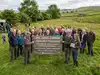
3,000 North Yorkshire locals raised about £400,000 to purchase Long Lands Common, protected it from development; now it serves as a natural ecosystem for animals
Residents of North Yorkshire raised funds to buy Long Lands Common and prevent its development. About 3,000 individuals invested in community shares costing £50 each, surpassing their fundraising goal. They transformed the former farmland into a wildlife habitat with tree planting and creation of ponds. The initiative expanded to include an additional 60 acres known as Knaresborough Forest Park.
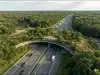
The Netherlands used 50 ecoduct bridges to solve habitat isolation across a 400km highway network; the result transformed divided forests into contiguous wildlife zones
The Netherlands used 50 ecoduct bridges to solve habitat isolation across a 400km highway network by connecting nature areas divided by roads, railways and canals. More than 600 wildlife crossings, including over 50 ecoducts, now help animals move between habitats. The crossings reduce roadkill and support genetic exchange. The Woeste Hoeve ecoduct is one example of how infrastructure can connect forests and nature reserves while allowing transport routes to continue operating.

In 1919, France declared 1200 sq km area as Zone Rouge after World War 1. No one lives there even after a century and the battlefield turned into a forest
France's Zone Rouge is still off-limits due to the devastating impact of World War I. Unexploded shells and remnants of chemical warfare linger in the soil today. Many villages, left in ruins, are classified as legally existing yet have no inhabitants. Although nature has started to reclaim the area, hazardous materials remain underground.

The Wrigley family spent 56 years reshaping Catalina Island after buying it in 1919; in 1975, they gave 42,135 acres away to protect the California island
In 1919, William Wrigley Jr. acquired the Santa Catalina Island Company, and his family dedicated the next 56 years to managing the island, effectively balancing tourism with environmental conservation. Their legacy continued in 1975 when they donated most of Catalina to a conservancy, safeguarding its diverse ecosystems and wild landscapes for future generations to explore and enjoy.
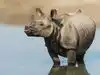
From zero to 54 rhinos: How Assam’s former poachers turned protectors and helped bring Greater One-horned Rhinos back to Manas National Park
Assam’s Manas National Park once lost its entire Greater One-horned Rhino population to poaching and conflict. But local communities helped reverse the crisis. Former poachers became protection volunteers and patrol guards, while conservation groups reintroduced rhinos through Indian Rhino Vision 2020. Their efforts helped rebuild the population, with an estimated 54 rhinos recorded across the Manas Landscape by 2022.
- Go To Page 1
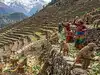
Nepal’s farmers carved farms into the Himalayas, but now this growing problem is destroying their harvests and triggering a wildlife crisis
Nepal’s farmers are increasingly struggling with crop damage caused by rhesus macaques and other wildlife. Rural migration has left fewer people available to protect valuable agricultural harvests, while macaques can consume nearly half of some farmers’ maize crops each year. Changes in habitat and limited natural food sources may be driving the animals towards farmland. Addressing the problem will require solutions that take into account wildlife conservation, agricultural livelihoods and rural migration.
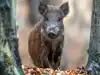
Beginning in the 1900s, U.S. hunters imported Eurasian wild boar for sport; today’s feral swine threaten firefly larvae and turtle nests across the Southeast
Wild pigs are destroying firefly larvae and turtle eggs in southeastern parks. These invasive animals root up the soil, disrupting delicate ecosystems and species survival. Efforts to remove feral swine are showing success in some protected areas. Funding from recent legislation allows for expanded control programs across the region. Protecting these natural wonders ensures future generations can experience them.

Rajya Sabha raises concerns over spam calls, outward migration, wild boar menace
During a spirited session on Monday, Rajya Sabha members raised crucial issues such as the invasion of privacy through persistent unsolicited calls. They expressed alarm over the rising trend of youth migration, alongside the soaring expenses of private healthcare.

Wild boar pins down forest officer in UP for two minutes despite being beaten with sticks: Watch chilling viral video
A forest department officer was injured during a wild boar rescue operation in Badaun, Uttar Pradesh. The animal attacked Shivam Pratap Singh, knocking him down and repeatedly charging. Eyewitnesses described the sudden and aggressive nature of the attack. Despite efforts to fend off the boar, the officer sustained injuries and was hospitalized.

The $2.5 billion reason why US is worried about Canada's 'Super Pigs'
Canada's 'super pigs,' a hybrid of wild boars and domestic pigs, are poised to invade the northern US. These animals cause significant agricultural damage, costing the US around $2.5 billion annually. Known for their size, intelligence, and cold resistance, they pose a severe threat to local wildlife and crops.

Wild boars are giving a big headache to Air Force in Hyderabad
The Air Force Academy in Telangana is facing a safety risk due to the increasing presence of wild boars on its runways. To address this issue, the Academy has sought help from the Telangana forest department, who have assigned a skilled sharpshooter to manage the wild boar population. In the past three months, 16 wild boars have already been culled in the area.

Anthrax outbreak in Kerala's Athirapilly forest: Nothing to worry, says official
"Wild boars have died en masse in the Athirappilly forest area. Subsequently, the Health Department, the Animal Husbandry Department and the Forest Department conducted an investigation. Samples of these were tested to confirm the case of anthrax infection," she had said.

MP forest department wants to allow killing of nilgai, wild boars which damage crops
Following strict rules issued in 2000 and 2003 pertaining to the hunting of blue bulls and boars, respectively, no animal was killed, Principal Chief Conservator of Forest (Wildlife) Alok Kumar told PTI. The state government now wants to simplify the rules following complaints from farmers that their crops were being destroyed by these animals, sources in the forest department said.

Second case of African swine flu in wild boar in Uckermark, east Germany
A total of 1,670 ASF cases in wild boar have been confirmed in Brandenburg since the first was discovered in September 2020, the state health ministry said. Another 456 ASF cases have been found in wild boar in the state of Saxony further south but only three cases on farms, all small.

View: One man’s vermin another’s animal?
Many animals succumb to ‘snaring’ every year across India. It is a practice by which an edible item is filled with explosives, or sharp materials, to kill ‘vermin’ that destroy crops adjacent to forest reserves.

Not allowed culling of boars, nilgais and monkeys: Government in Lok Sabha
Anil Dave said Bihar, Uttarakhand, Himachal Pradesh had requested to include "problematic wild animals" in schedule V.
SC to hear plea seeking quashing of Centre's culling order
The Centre had issued notifications permitting the three states to kill the animals on the ground that they were posing danger to human life and causing harm to crops.

Supreme Court to hear plea against declaring Nilgai, monkeys as vermins
A plea has been filed in Supreme Court seeking quashing and interim stay of three notifications of the Centre declaring Nilgai, monkey and wild boar as vermins.

Five states seek green ministry's nod to cull certain wild animals
Gujarat claimed that nilgai numbers have increased from 41,644 to 1,86,770 in 2015, shrinking population of wild predators, their numbers continue to peak.

Honey Singh's music scares away wild animals in Nainital!
Villagers have put up loudspeakers that play the latest Yo Yo Honey Singh party songs with high musical notes, to get rid of wild boars.
For poachers, vermin tag can be cover for overkill
When sighted in the wild, tourists make use of the photo-op but when the same wildlife comes closer to human habitation it becomes a threat.
Wild boars count underway as TN farmers demand culling
After repeated complaints from farmers across the state that wild boars have been uprooting their crops, the government has taken up a study on the population of the animal.

Kanpur zoo to get new animals
In the near future, the Kanpur zoo will have new additions in its animal kitty.

Lok Sabha Polls 2014: Pakistani wild boars become poll issue in Punjab village
A different kind of 'Pakistani invasion' is biggest poll issue in Habibwala village, whereWild boars from nearby village of Pakistan are giving sleepless nights to farmers here.
Mystery shrouds death of 4 wild boars
Mystery shrouds death of four wild boars outside Umred-Karhandla wildlife sanctuary on Monday night.
Poacher shoots wild boar for Holi revelry
The Umrer-Karhandla Wildlife Sanctuary officials have caught a poacher red-handed for gunning down a wild boar for Holi revelry.

Four poachers arrested for hunting wild boar
A group of four poachers was apprehended by the security staff of the National Defence Academy (NDA) on Sunday morning for hunting a wild boar on the premises of the NDA's Khadakwasla campus.
Spot a Tiger: Three major reserves where you are bound to face Tiger
Tiger sanctuaries in India are the flavour of the season as most tiger sightings happen during summers.
Load More

