
WETLANDS PRESERVATION
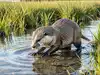
Sea otters reduce erosion of California’s coastal wetlands by 69%, says study
California's sea otters are preserving wetlands in Elkhorn Slough of Monterey County. They have decreased the rate of erosion on tidal creeks and salt marshes. The areas with high sea otter numbers have seen an average decrease in the rate of erosion of 69%, a study published in Nature said.
A lake in Ireland kept a record of medieval life; Scientists found crops, livestock and clues hidden in its mud
Scientists studying two early medieval artificial islands in Northern Ireland used ancient DNA, chemical markers and lake sediment to reconstruct centuries of human activity. Their findings revealed evidence of crops, livestock, woodland clearance and animal activity, showing how the remains of an ancient settlement can survive in the mud surrounding it.
Illinois drained two lakes for farmland for about 70 years; after conservationists bought Emiquon in 2000 and began restoring the wetlands, spring waterbird counts exceeded 119,000
Since its transformation from farmland into a flourishing wetland began in 2000, Emiquon Preserve has seen extraordinary returns in wildlife, famously attracting over 119,000 waterbirds during the spring counts. Although the project has greatly enhanced wetland habitats and ecological recovery, vigilant management is required to combat threats from invasive species and to maintain aging infrastructures, underlining the importance of ongoing human efforts in environmental sustainability.
Two Iowa families donated adjoining properties totaling 21 acres for wildlife; the land was transferred to county conservation for public use
A heartwarming act in Pocahontas County, Iowa, sees neighbors John and Sally Pascal team up with Gail Ewan to donate land for a new 21-acre conservation area. Their contributions to the Iowa Natural Heritage Foundation are a testament to community spirit, ensuring the land remains untouched for wildlife and outdoor enjoyment. This initiative not only serves wildlife but also reinforces a legacy of conservation for the community's future.
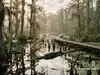
A two-feet “leopard eel” was hiding in US swamps; Scientists took years to identify it
An eel-like animal with spotted markings and frilly gills had been turning up in Florida and Alabama waters for years. In 2018, scientists described it as the reticulated siren, a salamander and a species new to science. Its identification relied on a 1970 museum specimen, years of fieldwork and DNA analysis.
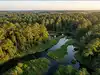
In 2021, Epic Games co-founder Mark Rein donated 83 acres in North Carolina; how his gift helped create a 241-acre nature preserve
The donated 83 acres adjoined a 158-acre that the conservancy had purchased in 2018, according to reports. Combining the two parcels created a 241-acre property called the Horseshoes Road Nature Preserve. The conservancy planned to manage the combined land as a protected natural area and keep it permanently undeveloped. The donation expanded the organisation's existing conservation property rather than creating a preserve entirely from scratch.
- Go To Page 1

In 1992, Louisiana had as few as 150 black bears left; 30 years later, habitat restoration and relocations helped rebuild the population to about 750 bears
In the early 1990s, Louisiana black bears were on the brink of extinction due to habitat loss caused by human development. Thanks to dedicated conservation efforts, their numbers have rebounded from a mere 150 to approximately 750. Strategies like establishing interconnected forests and relocating bears have been vital to enhancing genetic diversity.

In 2024, Steve and Connie Ballmer gave $25 million to support US National parks; here's where the money is intended to make a difference
Steve and Connie Ballmer donated $25 million in 2024 to support America’s national parks. The National Park Foundation planned to direct the money towards conservation, children’s outdoor education and jobs for young adults restoring trails and wetlands. Climate adaptation at Mount Rainier and Sleeping Bear Dunes was another priority. The gift also backed a wider fundraising campaign targeting $1 billion by 2028, alongside contributions from hundreds of park partners.
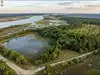
Cox Enterprises conservation deal: Why 4,400 acres at South Carolina's Clarendon Farms will remain wild
Cox Enterprises has successfully safeguarded approximately 4,400 acres in Clarendon Farms, South Carolina. This pivotal conservation initiative, announced in March 2026, aims to protect freshwater wetlands, lush forests, and vital wildlife habitats while curbing any imminent development. Renowned organisation Ducks Unlimited will manage the easement to ensure the area's environmental integrity, showcasing the essential need for safeguarding interconnected ecosystems against escalating urban expansion.
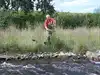
Connecticut began clearing an invasive reed from Highstead Pond in 2012; 98% was killed, and by 2017 native plant richness around the pond had increased 39%
Highstead Preserve embarked on an ambitious multi-year project aimed at controlling the invasive common reed to foster the growth of native species. Initiated in 2012, it spanned until 2017, showcasing impressive outcomes, including a staggering 98 per cent reduction in Phragmites and enhanced biodiversity. Employing diverse herbicide techniques, the hand-wiping method emerged as the most efficient.

A Tanzanian dam cut a waterfall’s flow by 90%; Engineers built sprinklers to save the coin-sized toad that lived there
A Tanzanian dam cut a waterfall’s flow by 90%, threatening a toad that lived on five acres. Sprinklers, a 499-toad zoo rescue and a 2012 release followed, yet a fungus still wiped it out in the wild. A 2024 study named the culprit, and the species’ survival now rests on pipes, footbaths and small grants.
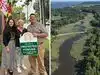
In 2006, Maryland couple bought a 116-acre farm. 20 years later, it's home to otters, beavers and dozens of bird species
Maryland couple Louise and John Durocher originally purchased a vast 116-acre farm for hunting. With time, they stopped farming the land, allowing nature to take over. They encouraged the growth of various native plants, creating a habitat that supports a wide range of wildlife. Today, their granddaughter Sarah Starman is committed to protecting this natural heritage, with hopes that future generations can continue enjoying outdoor activities such as kayaking and fishing along Tavern Creek.
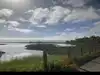
California used more than 2.5 million cubic yards of dredged material to rebuild Sonoma Baylands; The project restored 322 acres of tidal wetland habitat
The Sonoma Baylands initiative has harnessed dredged materials to rejuvenate California's tidal wetland habitats. Each year, excessive sediment is extracted to sustain navigation channels. With innovative engineering, previously subsided agricultural land has been raised to promote rapid growth of tidal marsh flora. This thriving restoration project not only fosters critical habitats for various species, including endangered ones, but also exemplifies a successful integration of sediment management and coastal ecosystem rehabilitation.
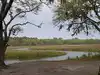
In 2019, Georgia placed 5,000 cubic yards of dredged sediment on a 5-acre salt marsh; six years later, it remained about 12 cm higher, with plant growth similar to nearby marshes
Wetlands serve as vital buffers in coastal regions, adeptly mitigating storm impacts while also acting as natural filters for pollutants. A recent initiative on Jekyll Island explored the advantages of sediment nourishment for restoring marshlands. Remarkably, over six years, the project elevated marsh height by 12 cm. This promising approach not only shields wetlands from rising sea levels but also boosts biodiversity and overall environmental integrity.

10,000 people combed Mongolia for Genghis Khan’s grave in a 30,000-hour search in 2010; 800 years later, it’s still missing - and a tiny tribe may hold the clue
Genghis Khan’s grave: For 800 years, Genghis Khan's final resting place has remained a mystery, despite countless expeditions and tales. Over 10,000 volunteers have utilized satellite imagery to comb through Mongolia in search of answers. It's believed that Khan's soldiers may have hidden his tomb intentionally following his death. The isolated Burkhan Khaldun site is difficult for archaeologists to access due to political restrictions.
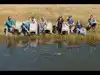
In the fall of 2023, California released 7 beavers into the ancestral lands of the Mountain Maidu people after nearly 75 years. Now they’re building dams, canals and have expanded wetlands by 23%
California is seeing a new wave of conservation with the Department of Fish and Wildlife's beaver relocation project designed to tackle water management hurdles. Beavers are being moved to rejuvenate wetlands and improve stream health. Their return has already led to dam building and increases in reproduction rates, revitalizing ecosystem functionality.
In the 1970s, schoolteacher Jeanne Paisley bought 128 New York acres because she wanted space; 40 years later, the forests and fields were protected from development
Jeanne Paisley purchased land in Richford, New York, which she wanted to preserve for her family. Years later, she placed a conservation easement to protect its forests and streams. This decision helps maintain water quality and supports local wildlife, including eastern brook trout. Her land connects to other protected areas, contributing to a larger conservation network. Supporting local land trusts can similarly promote environmental preservation in one’s community.
In 2019, AXA launched a $175 million climate and biodiversity fund. Within a year, $41.5 million had been allocated to projects targeting measurable environmental outcomes
In July 2019, AXA Group launched a $175 million private equity vehicle with a mandate that traditional financiers usually leave to non-profit foundations. The fund set out to test whether commercial capital could generate market-rate returns while restoring ecosystems, managing water basins, and protecting threatened species. Structured as a 12-year private equity pool, the fund marked a deliberate departure from standard corporate philanthropy by treating natural capital as a core financial asset rather than an operational expense.
Conservationist Matt Conn bought 67 acres of damaged Louisiana land. For a decade, he personally rebuilt it; the restored wetland had recovered diverse native vegetation and multiple ecosystems
Over a decade, Matt Conn dedicated his efforts to the restoration of 67 acres of degraded land in Louisiana. By eradicating invasive species and planting thousands of native flora, he rejuvenated the ecosystem. This once-damaged wetland now flourishes with a rich array of native species, providing a sanctuary for countless birds and wildlife. Conn's initiative underscores the vital role of private land conservation in fostering ecological balance.
In the early Holocene, West Siberian peatlands started storing carbon. Today, 11,700 years later, the lowland holds 70 billion tonnes, but thawing puts the store at risk
The West Siberian Lowland holds a vast carbon store dating back to the early Holocene. This immense peatland, the world's largest, contains billions of metric tonnes of carbon. However, thawing permafrost now threatens to release this ancient carbon into the atmosphere.

In 2003, Florida's Manatee County acquired 482 acres of farmland for restoration. 5 years later, Robinson Preserve opened, and today 135 acres of coastal habitat are restored fueling $32.7 million in economic activity
At Robinson Preserve, restoration specialists designed protected water features that made it harder for larger predatory fish to reach juvenile fish. Strategic mangrove plantings and restricted-access water areas helped recreate conditions similar to natural coastal ponds and creeks.
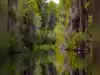
Georgia won UNESCO World Heritage status for the 636-square-mile Okefenokee Swamp to bolster conservation; the result raised global attention around a wetland home to 15,000 alligators and hundreds of species
Georgia's Okefenokee Swamp received UNESCO World Heritage status. This recognition highlights its rich biodiversity and vital role as a carbon sink. The vast wetland supports numerous plant and animal species, including many threatened ones. Its designation aims to bolster conservation efforts for this important natural landscape.

In the 1990s, Disney bought 8,500 acres of Florida ranchland slated for commercial projects; decades later, it forms the core of an 11,500-acre wildlife preserve
The Walt Disney Company's generous donation successfully halted the development of Walker Ranch, transforming it into the Disney Wilderness Preserve, a haven for essential wildlife habitats. In subsequent years, the Greater Orlando Aviation Authority contributed additional land, while Disney expanded the area by acquiring adjacent plots in 2014. This remarkable conservation initiative resulted in an expansive 11,500-acre protected landscape supporting diverse ecosystems.

'Don't depend on anyone' for change: The rule Zerodha's Nithin and Nikhil Kamath learnt from their mother
Revathi Kamath, a veena player and mother of Zerodha founders, advocates for wetlands preservation and public involvement in environmental revival. Speaking at a recent seminar, she highlighted the declining state of Indian wetlands and the impact of exotic plant species on native flora.

Mapping, demarcation of J-K wetlands to be completed by March end
The mapping and demarcation of wetlands in Jammu and Kashmir is ongoing and expected to be completed by March. The Forest Minister stated that the exercise is being conducted in collaboration with various departments using remote sensing data. District management units have been set up for the protection and preservation of these wetlands.

Wetlands issue deserves very serious attention: SC to Centre
"This wetlands issue deserves much serious attention. If there are no wetlands left, it will affect agriculture and several other things", the bench added.

SC directs Centre to take steps to preserve over 2 lakh wetlands
In a major direction to preserve ecologically crucial wetlands threatened by encroachment in many parts of the country, the Supreme Court directed the Centre on Wednesday to frame a policy to protect wetlands by June 30.
Bird-watchers' paradise Gharana wetland dying a slow death
He said the wildlife protection department was in possession of only five acres of marshy land in the wetland while the rest was being occupied by villagers.
Wetland studies to preserve perennial rivers
They are the storehouses of water at the highest level one can imagine, formed naturally several thousands of years ago.
Load More

