
USDA FINANCIAL SERVICES

USDA staff ‘frustrated’ by days-long outages after cybersecurity incident; disruptions ‘may continue’ through the week, internal email says
USDA applications experienced outages starting Monday due to a cybersecurity incident that hampered financial services. These disruptions impacted crucial systems used for farm loans and financial aid payments. Officials have warned that outages could persist as maintenance continues in several applications. Employees faced issues accessing virtual private networks, adding to the frustration during the incident.

USDA SNAP rule change: 6.3 million Americans face food stamp cuts as $44 billion savings plan targets 46 states; could children also lose automatic free school meals?
The USDA wants to end a food stamp eligibility rule that could leave 6.3 million Americans without SNAP benefits. The proposed change targets 3.2 million households across 46 states and could save the federal government more than $44 billion from 2027 to 2031. But the impact goes beyond food aid, as millions of families could also lose automatic access to free school meals.

Trump's diesel price relief efforts grow costlier as election nears
With the midterm elections approaching, President Trump is implementing various strategies to combat high diesel prices. These measures include financial aid for farmers and adjustments to regulations for truckers. However, criticisms arise regarding the effectiveness of these solutions and their geopolitical implications. Many voters attribute rising costs to Trump's policies, posing a challenge for Republican candidates. Ultimately, the pressure to lower diesel prices remains as the elections draw near.

USDA and CBP spent $861 million checking travellers and cargo for farm pests in 2011, but fees left a $325 million gap because federal law limits who pays
The United States has struggled with funding for its Agricultural Quarantine Inspection program due to fee shortfalls. In 2011, the program had an $861 million budget but collected significantly less in fees. Inspection fees were insufficient because legal restrictions limited cost recovery from various users. Reforms have been introduced to update fee structures and improve collections. These measures, however, do not fully address the root funding issues of the program.

In 2003, 90 wind turbines went up across California farmland; crops and cattle stayed, while farmers continued using most of the land
Farmers in Northern California are capitalizing on wind turbine leases as a supplementary revenue stream while continuing their agricultural practices. These installations take up only a fraction of their farmland, allowing for uninterrupted crop production alongside renewable energy production. Although wind earnings contribute only a small part of overall farm income, they enhance financial security for many. This development signals a rising acceptance of renewable energy solutions in farming circles.

In Massachusetts, Bar-Way Farm digests 36,500 tons of food waste and 9,125 tons of manure every year, producing enough electricity for 900 homes
In Deerfield, Massachusetts, Bar-Way Farm is leading the charge in renewable energy by harnessing food waste and cow manure to create electricity. Their anaerobic digester processes around 100 tons of food waste every day, generating enough energy to power about 900 homes annually. The farm then utilizes the remaining digestate both as fertilizer and bedding for their cows, showcasing an effective circular economic model that promotes sustainable farming practices.
- Go To Page 1

Textile stocks to rally? Emkay sees sector at inflection point to regain lost glory, initiates 'Buy' call on 3 stocks
India’s textile sector is nearing an inflection point and could regain lost global market share, according to Emkay Global. The brokerage initiated coverage with ‘Buy’ ratings on Arvind, Nitin Spinners and Sanathan Textiles, citing FTAs, tariff advantages over China, a strong domestic market and growing opportunities in technical textiles.

Second Texas screwworm case confirmed as outbreak fears grow
A second case of the flesh-eating screwworm parasite has been confirmed in Texas. This new detection is just miles from the first U.S. case in decades. The parasite deposits eggs in animal wounds. Larvae feed on living tissue, potentially causing fatal damage. This resurgence poses a significant economic threat to Texas cattle ranchers.

Government shutdown 2026 fallout: How your student loans, Social Security, and investments could be affected
As the January 30, 2026, deadline nears, a partial U.S. government shutdown threatens vital services. Social Security and Medicare remain protected as mandatory spending, but administrative support will freeze. Student loan payments stay due, while FAFSA processing faces 90% staffing cuts. Market volatility looms with a potential 0.1% weekly GDP loss. Federal workers face unpaid furloughs, complicating an already fragile economy amid rising global geopolitical tensions.

$12 billion payout alert: Americans set to receive one-time bridge payments under new program
The U.S. government approved $12 billion in bridge payments for farmers. Up to $11 billion goes to row-crop producers hit by trade disruptions. Aid begins in early 2026. Payments cap at $155,000 per farm. New USDA formulas decide rates. Big relief. Big stakes. Scroll for who benefits next.

Donald Trump set to unveil $12 billion aid for farmers hit by trade war
The Donald Trump-led administration is set to announce a significant $12 billion farm aid package. This assistance aims to support farmers facing economic challenges due to low crop prices and trade policies. The plan includes substantial payments to crop producers. This move comes as farmers, a key voter base, express growing concerns.
Homebuyers brace for impact: How the government shutdown could stall loans and closings nationwide
The government shutdown is slowing home loans and closings. FHA, VA, and USDA loans may take longer, and flood insurance delays can stop deals. Federal workers face pay issues, affecting local housing markets. Homeowners should contact lenders early and use hardship programs. Buyers may need backup plans, and mortgage rates could dip slightly, but refinancing is not always easy.

Government shutdown SNAP benefits: Start saving and storing food as November benefits may be halted
Trouble ahead for food assistance. The government shutdown could pause SNAP benefits in November, hitting 42 million Americans. USDA officials warn states may soon run out of funds, meaning EBT payments could stop or shrink next month. Some states — including Texas, California, and Pennsylvania — are already urging families to stock up and prepare for delays. If Congress doesn’t act soon, millions could face empty grocery cards by November.
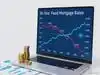
Government shutdown fallout: What it could mean for your mortgage payments
The 2025 U.S. government shutdown is disrupting many services. Mortgage processing could slow down, and homebuyers may face delays. Refinance rates are rising. Homeowners are weighing options for lower interest and faster payoff. 30-year, 15-year, and VA loans all show varied rates. Market shifts and Fed policy influence today’s offers. Choosing the right refinance plan can save thousands over time.

Good news for SNAP beneficiaries as maximum benefit could increase up to 2.8% in 2026, check the projected COLA; how can you apply for SNAP program
SNAP benefits are set to increase, with COLA projections ranging from 2.7% to 2.8%, exceeding the 2025 rate. Eligibility criteria remain consistent, focusing on income levels below 130% of the Federal Poverty Line and asset limits. Benefit amounts for 2025 are outlined, with estimated increases for 2026 based on a 2.8% COLA.

U.S. states would struggle to administer food stamp benefits under Republican tax bill
A Republican tax bill proposal could shift $22 billion in SNAP costs to states, potentially forcing them to cut eligibility or leave the program. State officials express concerns about absorbing these costs, which could impact millions of recipients. The bill also expands work requirements, potentially removing millions more from SNAP.

Prices to come down? After being rejected by Poland, Finland and Denmark, these countries will supply eggs to the U.S
U.S. egg prices have surged over 65% due to a devastating bird flu outbreak, forcing the Trump administration to import millions of eggs from Turkey and South Korea. Poland, Finland, and Denmark declined U.S. requests to export eggs. Turkey will supply 15,000 tons of eggs by July 2025, while South Korea has already sent 20 tons to Georgia. The U.S. Department of Agriculture (USDA) is also implementing a $1 billion plan to improve biosecurity, boost vaccine research, and support farmers. Consumers can expect prices to stabilize by Easter 2025, as imports and domestic supplies increase.

Why Elon Musk-led DOGE has cancelled more than 200,000 US government credit cards
Elon Musk-led Department of Government Efficiency (DOGE) has cancelled over 200,000 federal government credit cards in an effort to curb waste and fraud within the federal government. DOGE recommended mass layoffs in the federal government as a means to eliminate $2 trillion annually in funding from the US agencies. The cards were deactivated following an audit showing they were unused or unneeded.

Farmers put plans, investments on hold under Trump USDA spending freeze
USDA's grant freeze under the Trump administration has left farmers across the U.S. facing financial instability, halting projects and risking bankruptcy. Farmers like Nate Powell-Palm in Montana are directly impacted, with significant investments on hold. The freeze, along with new tariffs, is straining the agricultural sector while USDA and White House reviews continue.

Honeymoon over? More and more Republicans, including diehard MAGA farmers and teachers, regret voting for Donald Trump; here's what they have to say
Donald Trump’s policies are causing regret among Republican farmers and teachers as funding cuts and aid freezes impact their lives. Farmers are losing millions due to Trump's halt on USAID food aid purchases, which affected $340 million in shipments. Ranchers like Skylar Holden face losses from frozen USDA contracts, while teachers fear job cuts as Trump plans to dismantle the Department of Education.

Nearly 10,000 fired as Trump, Musk step up assault on US agencies
President Trump and advisor Elon Musk are drastically cutting back the U.S. federal workforce, with over 9,500 workers across various departments fired and additional buyouts offered. The moves have faced legal challenges and criticism for lacking coordination and threatening essential services.

At Musk's brain-chip startup, animal testing panel is rife with potential conflicts
Elon Musk's brain-implant venture has filled an animal-research oversight board with company insiders who may stand to benefit financially as the firm reaches development goals.

Panic buying, lockdowns during this pandemic may drive world food inflation
The concern is having food at the right time in the right place, a senior economist said.

Soyabean prices come alive, set sights on Rs 4,000 level
Lower output estimates and strong demand of millers are also backing up prices.

Soyabean may see strong comeback, global rally to help
Soyabean contracts have been on a downward trend since February and have corrected 20%.

13 mind-blowing facts about Greece's economy
It seems as if every morning brings another incremental development or regression in Greece's battle against its European creditors.
Wheat, corn stockpiles dip on Russia drought
The world’s appetite for meat, flour and ethanol is expanding faster than the supply of the crops needed to produce them, eroding inventories and increasing the chance of accelerating food prices.
Obama appoints Indian-American Rajiv Shah to head USAID
Indian-Americans won one of their highest-ever appointments in the US government when President Obama on Tuesday nominated Dr Rajiv Shah as administrator of the United States Agency for International Development.
USDA declares 61 counties in Illinois disaster area
The US Agriculture Department on Wednesday declared 61 counties in Illinois as primary disaster areas, a move that will make farmers eligible for low interest emergency loans.
Load More

