
USDA
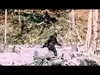
Trump administration releases ‘Bigfoot’ files: Biologist Rodney L. Johnson found 15-inch footprints in Oregon woods, but why did he doubt a 300-pound creature made them?
The US Department of Agriculture has unveiled historical documents related to Bigfoot, highlighting a significant investigation from 1982. Wildlife biologist Rodney L. Johnson documented large footprints in Umatilla National Forest, Oregon. His research hinted at potential hoaxes due to irregularities in the tracks, leading to skepticism from a US Border Patrol official regarding their authenticity. This has sparked renewed fascination with the longstanding Bigfoot legend throughout America.

US Agriculture Department, FBI breached by hackers: reports
Recent cyberattacks targeting the US Agriculture Department and the FBI have raised alarms over national security. With severe system failures causing major disruptions in travel and communication services, the USDA reported attempted breaches into sensitive payment systems for farmers. Additionally, the FBI faced its second cyber incident since September, impacting critical law enforcement databases. Officials maintain that while serious, these breaches don't suggest a broader criminal issue.

Judge orders US agriculture chief to stop sending religious emails from official account
A US federal judge has ordered Agriculture Secretary Brooke Rollins to stop sending religious messages to employees through her official government email. The court said her language appeared to assume staff shared her Christian beliefs and overlooked other faiths. Employees alleged the messages made them feel excluded and pressured. The Agriculture Department called the ruling unprecedented and is considering an appeal.

USDA staff ‘frustrated’ by days-long outages after cybersecurity incident; disruptions ‘may continue’ through the week, internal email says
USDA applications experienced outages starting Monday due to a cybersecurity incident that hampered financial services. These disruptions impacted crucial systems used for farm loans and financial aid payments. Officials have warned that outages could persist as maintenance continues in several applications. Employees faced issues accessing virtual private networks, adding to the frustration during the incident.
USDA health alert breakfast, biscuit recall: List of food items under scanner over listeria risk. Check symptoms, diseases
USDA health alert breakfast, biscuit recall: Listeria infections can cause serious illness, particularly in older adults, people with weakened immune systems and those who are pregnant or their newborns.

How India became a rice powerhouse - and why it's becoming a problem
India's rice production has significantly increased, bolstered by government subsidies and new crop varieties. This rise in output has led to a surplus that threatens fiscal stability due to high subsidy costs. Political tensions arise between the central and state governments regarding rice pricing and production. While domestic demand is not expected to grow significantly, exports continue to increase.
- Go To Page 1

After joining the USDA in 1953, chemist Ruth Benerito helped develop wrinkle-resistant cotton that made clothes easier to wash and wear without ironing
Ruth Benerito transformed the cotton industry with her innovative work on wrinkle prevention and fabric durability. Her breakthroughs led to the creation of stain-resistant and flame-retardant cotton used widely in various sectors. Overcoming numerous challenges post her scientific journey, she also made vital contributions to medical advancements during the Korean War, leaving a lasting legacy that still shapes contemporary fabric technology and clothing today.

USDA SNAP rule change: 6.3 million Americans face food stamp cuts as $44 billion savings plan targets 46 states; could children also lose automatic free school meals?
The USDA wants to end a food stamp eligibility rule that could leave 6.3 million Americans without SNAP benefits. The proposed change targets 3.2 million households across 46 states and could save the federal government more than $44 billion from 2027 to 2031. But the impact goes beyond food aid, as millions of families could also lose automatic access to free school meals.
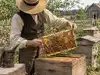
In the early 1850s, Philadelphia-born beekeeper Lorenzo Langstroth developed a hive with removable frames, making honey harvesting easier; his design remains widely used today
In 1851, Lorenzo Lorraine Langstroth introduced the movable frame hive, a groundbreaking innovation that transformed beekeeping. This advancement facilitated honey extraction and improved colony management. However, alarming reports reveal that American beekeepers are suffering immense colony losses due to the Varroa mite. This ongoing crisis threatens the $18 billion annual pollination economy, underscoring the urgent need for contemporary solutions despite Langstroth’s revolutionary contributions.

Trump administration moves to cut food stamps for 6.3 million people
A proposed rule issued by the US Department of Agriculture would curb automatic eligibility for Supplemental Nutrition Assistance Program benefits, also known as food stamps, for households receiving cash aid under the Temporary Assistance for Needy Families Program.

SS United States to be sunk to create an artificial reef: Depth, dive requirements and when visitors can explore the wreck
A 990-foot ocean liner called the SS United States will soon be sunk off Florida's Gulf Coast. This ship, which was once the fastest ocean liner, will serve as an artificial reef for marine life. Divers will need specific certifications depending on the parts of the wreck they wish to explore. The upper deck will be accessible to recreational divers, while deeper sections require technical training.

USDA flags frozen beef, pork and chicken products over hidden allergens. Check the affected lot codes and what to do
A public health alert has been issued by the USDA's Food Safety and Inspection Service regarding frozen meat products from Betterballen Foods LLC. The alert highlights misbranding issues along with undeclared allergens, specifically sesame and anchovy. Consumers are urged to return or dispose of these products if found, although there have been no illness reports linked to them as per health officials.

Florida brought in Old World climbing fern as an ornamental; the vine later smothered more than 100,000 acres and can carry ground fires into tree canopies
Once admired for its ornamental beauty, the old world climbing fern has now wreaked havoc on Florida's ecosystems. This invasive plant grows rampantly, enveloping trees and choking out native flora, while also altering fire dynamics. The heightened fire risk threatens tree vitality and wildlife habitats, complicating management efforts. Although options like herbicides and physical removal exist, these methods face challenges in less accessible areas.

USDA to launch AI tool to check crop production data after errors
After the USDA discovered errors in its corn data from September, officials determined the AI tool would have flagged the problem and decided to use it on the crop production report due on November 10, USDA Under Secretary Scott Hutchins said in an interview.
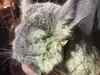
Dead animals, swollen eyes, rat poison: Ohio breeder hid 800 chinchillas from inspectors for years; over 1,100 surrendered after shocking discovery
Dead animals, swollen eyes and open packets of rat poison were among the disturbing conditions uncovered at an Ohio chinchilla breeding facility. Federal inspectors also discovered that the breeder had allegedly hidden around 800 chinchillas in a separate building for years to avoid inspections. Following a federal investigation and a court-approved settlement, R & R Chinchilla Inc. has agreed to surrender more than 1,100 animals.
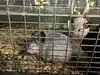
USDA revokes James Ritterspach's licence after over 1100 chinchillas rescued from Ohio breeder
In a concerning case of animal neglect, James F Ritterspach, the owner of R & R Chinchilla Inc., faced the permanent revocation of his breeding license. Inspections by the USDA uncovered severe neglect, revealing over 1,100 chinchillas imprisoned in hazardous living conditions. To further escalate the situation, Ritterspach attempted to conceal additional chinchillas and neglected their fundamental care.

In 1830, chinaberry was introduced to the US as an ornamental tree; it later spread into forests across the South
Chinaberry trees, initially brought to the Southern U.S. in the 1830s for their beauty, have proliferated extensively. These invasive species create dense thickets that block sunlight, hindering the growth of native plants in ecosystems across Georgia and South Carolina. This situation underscores the urgency of managing ornamental plants wisely, emphasizing the need for vigilant monitoring and prompt removal to protect the health of our forests.

Japanese climbing fern came to the US as an ornamental; it now spreads across at least 6 Southern states, climbing over trees and helping fire reach their crowns
Japanese climbing ferns, introduced for ornamental purposes, have proliferated across southern forests since the early 1900s. These ferns pose risks to native plants by causing shading and competing for resources. Fire crews are concerned about their ability to facilitate crown fires in pine plantations. While fire can damage the ferns, it is ineffective for complete control, necessitating early detection efforts.

In 1927, the US brought in weeping lovegrass for cattle and erosion control; one strain was later planted across 2 million acres of Oklahoma and Texas
Initially introduced to the U.S. in the 1930s to alleviate soil erosion caused by the Dust Bowl, weeping lovegrass rapidly expanded across vast areas of Oklahoma and Texas, proving valuable to ranchers seeking forage. However, this once beneficial species turned invasive, jeopardizing the survival of native plants. This situation serves as a poignant reminder of how immediate solutions can inadvertently lead to sustainable ecological challenges over time.

Who is losing food stamps? SNAP enrollment fell 13% in a year - which states lost the most and why the CBO expects more decline
Millions of Americans have dropped off the food stamp rolls. SNAP enrollment fell from 42.2 million in May 2025 to 36.6 million in May 2026, a 13% drop. Arizona lost about half its recipients. The new work rules are widely blamed.

Utah mink farm bird flu outbreak raises fears of a pandemic deadlier than Covid as the virus killed 80% of a mink herd: Can it spread to humans?
A bird flu outbreak has been spreading for over two months at a Utah mink farm. Federal and state officials have not culled the infected animals nor imposed a formal quarantine. Experts express concern about the potential mutation of the virus to infect humans. No federal rules currently exist for vaccinating or culling infected mink in the US.

China is back in the bull semen market, but only the best will do
China has resumed imports of bull semen from Australia and Canada as it seeks to improve cattle genetics, increase beef production and boost dairy yields. Under stricter rules, imports must come from bulls ranked among the top 10% in their country of origin. The move follows years of trade restrictions that disrupted supplies and pushed some Chinese producers towards smuggled livestock genetics.

Rising global demand, lower price of Indian rice than competitors to boost exports: IREF
In the first six months of the fiscal year, India experienced a remarkable 13 percent boost in rice exports. The Indian Rice Exporters Federation predicts further growth fueled by strong worldwide demand and pricing advantages over rivals.

Who is Mercedes Reshard New? Influencer with extravagant lifestyle, known online as 'Shawty Dred', arrested over $4m fraud involving hundreds of SNAP accounts
An influencer known as "Shawty Dred" has been arrested in Georgia in connection with a major SNAP fraud case. He is accused of controlling more than 350 fake SNAP accounts created with stolen identities. The alleged fraud resulted in the theft of more than $4 million intended for families in need. New was previously arrested after being accused of selling SNAP benefit cards at a local store.

Trump's diesel price relief efforts grow costlier as election nears
With the midterm elections approaching, President Trump is implementing various strategies to combat high diesel prices. These measures include financial aid for farmers and adjustments to regulations for truckers. However, criticisms arise regarding the effectiveness of these solutions and their geopolitical implications. Many voters attribute rising costs to Trump's policies, posing a challenge for Republican candidates. Ultimately, the pressure to lower diesel prices remains as the elections draw near.

Why is Trump giving farmers $8 billion as diesel hits $6.53 a gallon? Can one-time aid cover harvest costs before the midterms?
Trump announces $8 billion aid package for farmers: American farmers are heading into harvest with diesel costs putting fresh pressure on their budgets. Donald Trump has announced $8 billion in one-time aid to help cover the expense. But with diesel reaching $6.53 per gallon in September and midterm elections approaching, how much relief will farmers actually receive?

72-year-old Pennsylvania woman's 100-year-old house was at a risk of collapse. She could not afford repairs. How she got a grant to fix her home
Maureen Bird, a 72-year-old Pennsylvania resident, feared her nearly 100-year-old home could collapse because of a cracked basement wall. Unable to afford repairs, she received a grant and low-interest loan through the USDA Section 504 Home Repair programme. Local contractors repaired the damage, restoring her home’s safety while creating work opportunities for the surrounding community.

Kayem Foods meat recall USDA: 1.58 million pounds of hot dogs, bacon and other meats recalled across the US-here's what has happened
Kayem Foods Inc. has recalled approximately 1.5 million pounds of various meat products due to storage issues. These products, which include hot dogs and bacon, were improperly stored at unsafe temperatures. The recall was prompted by a customer complaint regarding warm products received. Consumers have been advised to check their refrigerators for affected items and discard them. Kayem Foods is cooperating with USDA to ensure consumer safety and product removal.

Before 1850, Americans grew Dyer’s woad for blue dye; in the Great Basin, one infestation later grew from 12,000 to 150,000 acres in eight years
Dyer's woad, once used for blue dye, has become an invasive species in the American West. This plant produces a high number of seeds and thrives in disturbed soils, making it hard to control. Control efforts require extensive knowledge of its lifecycle and persistent manual and chemical treatment. A recent study highlighted its ecological threat to native plants and livestock forage in Northern Utah.
Load More

