
UN CLIMATE PROCESS

COP31: Nearly 200 countries fail to agree on climate declaration
At Antalya, countries were unable to agree on a cover decision. They were, however, able to reach conclusions on most of the 160 items on the agenda. Some of the tracks had inconclusive outcomes while others had procedural ones, but that is not unusual. Progress made on negotiations depends a great deal on the work that COP presidencies make to create momentum and push for progress. Success at a COP hinges a great deal on the diplomatic capacity of the country holding the presidency.

India flags equity concerns at COP31, says climate pact dilutes developed nations' responsibility
India emphasized the insufficient representation of equity and responsibilities for developed nations during COP31 discussions. Amandeep Garg expressed disappointment at the failure to connect historical emissions with current climate threats. Many countries criticized the final text for not addressing urgent climate issues effectively. The conference concluded without an agreement due to disagreements over fossil fuel terminology. UN Secretary-General Antonio Guterres expressed disappointment regarding the lack of consensus at the summit.

Confusion at climate talks as final deal offered doesn't mention fossil fuels
Several nations, including the European Union and Panama, express strong objections to the draft climate agreement. The draft fails to mention fossil fuels, which are a major contributor to global warming. Delegates voiced concerns that the agreement does not adequately address climate change impacts or financial aid for vulnerable countries. Activists are urging negotiators to reject the draft due to its shortcomings.

IPCC at COP 31: UN climate science in geopolitical crossfire
The climate conference in Antalya is currently addressing crucial issues related to the IPCC's report publication. Disputes over the timeline for these reports and the budget for 2027 remain unresolved. Developed nations advocate for early publication before the 2028 global stocktake, while developing countries oppose this. The differing priorities of emission reductions and adaptation to climate impacts have created tension among member countries.
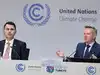
COP31 climate talks drag on as Australia, Turkiye struggle to forge consensus
The Australian minister stressed that the UN climate talks is a consensus party-driven process. "We're guiding the parties towards consensus, and we'll continue to do that," he said. "Be very clear, because this is worth working for and fighting for. The world is wondering whether multilateralism can deliver. Well, I think it can. I think you can deliver a very strong message that overshooting 1.5 is not acceptable, and the world will not let it happen."

COP31: Experts flag extreme heat risks to pregnant women, call for targeted adaptation
Experts at COP31 are highlighting the risks of extreme heat on pregnant women and newborns. They emphasize the need for health systems to develop guidelines specifically for pregnant women's needs. Limited financial support for health adaptation measures has been identified as a significant challenge by the UNFCCC. Increased recognition of these health impacts requires urgent action to protect vulnerable groups.

Urgent climate finance pleas at COP31 face a non-urgent response
Poor nations are calling for urgent financial support to address climate-related disasters, yet responses are sluggish. Despite past agreements, funding to vulnerable countries has not met the required targets, causing severe delays. Geopolitical issues and rising military expenditures further divert attention and resources away from climate financing.

"Very salient": UN climate chief backs PM Modi's remarks on clean energy cushioning India against oil price shock
UN climate chief Simon Stiell has endorsed Prime Minister Narendra Modi's remarks that clean energy investments helped India withstand the oil price shock, calling them "very salient". Stiell also welcomed India's Green Energy Corridor, emphasising the role of renewable energy, stronger electricity grids and battery storage in protecting economies.

Global climate talks open with big questions, smaller goals
Climate negotiators from nearly 200 countries are attending COP31 in Antalya, Turkey, to address rising global temperatures and emissions. The summit will focus on achieving existing commitments rather than making ambitious new goals amidst geopolitical tensions and financial constraints.

Climate finance, trade likely to be on COP31 table
COP31, scheduled to occur in Antalya from November 9-20, will address significant climate finance and trade issues. Discussions include the funding developed countries owe to developing nations for climate change adaptation. The African Group aims to formalize financial support strategies and assess funding needs for climate initiatives. Additionally, proposals regarding the impact of climate-related trade measures on developing countries have been put forward.

Environmental groups embrace AI, even as they warn of data center impacts
Environmental organisations are increasingly leveraging artificial intelligence to enhance conservation efforts and analyze ecological data. Many express concerns about the environmental impact caused by data centers that support AI technologies. The energy and water consumption of these centers is projected to double by 2030, raising emissions concerns.

AI is part of solution for climate change, COP31 pledge says
Turkey is set to introduce a pledge at the upcoming COP31 climate summit in Antalya. This pledge suggests that artificial intelligence can help in combating climate change effectively. However, data centers are reportedly increasing fossil fuel emissions significantly, raising environmental concerns.

Turkiye, Australia outline COP31 climate action agenda
As the UN climate talks approach in Antalya next month, Turkiye and Australia have shared their strategic priorities. Emphasizing the urgency of climate action, Australia's Climate Change Minister Chris Bowen called for significant support during the discussions. The two nations are pushing for a collaborative and open negotiation process, aiming for a unified agreement on essential issues, including acknowledging the critical temperature limit of 1.5 degrees Celsius.

Delhi CJP Protest Today: What's happening at Jantar Mantar? Here's what we know so far
Delhi CJP Protest Today: Security has been tightened across Delhi amid the Cockroach Janata Party’s (CJP) protest against Chief Election Commissioner Gyanesh Kumar and the Special Intensive Revision (SIR) of electoral rolls. Police have detained more than 7,000 people as protesters attempted to reach Jantar Mantar despite restrictions. CJP founders Abhijeet Dipke, Ashutosh Ranka and Saurav Das remain in detention, with the organisation alleging they have been moved to an undisclosed location and denied access to lawyers. The protest also saw stone-pelting near Akashwani Bhawan, leaving two police personnel injured, while activist Yogendra Yadav and lawyer Prashant Bhushan were seen leading a march from Jor Bagh towards Dilli Haat-INA.

India flags double standards on human rights, says UNHRC lacks focus on terror victims
India reaffirmed its dedication to human rights during the 63rd session of the UN Human Rights Council. The country emphasized the need for equality and voiced concerns regarding victims of terrorism. Furthermore, India highlighted its commitment to global governance reform and the welfare of its diaspora abroad. The nation's position on climate change and artificial intelligence was also discussed during the session.

At Pre-COP31, Bhupender Yadav calls for closing climate gaps, fulfilling Paris Agreement commitments and accelerating implementation
Union Environment Minister Bhupender Yadav addressed COP31 priorities during the Pre-COP31 meetings in Fiji. He highlighted the need for bridging knowledge gaps and fulfilling climate obligations effectively before upcoming conferences. Yadav conducted bilateral talks with UN officials, focusing on significant climate priorities such as adaptation and climate finance.

India-Brazil-South Africa make strong pitch for ambitious, comprehensive and profound reform of UN
IBSA Foreign Ministers convened to call for urgent reforms of global governance institutions and the UN Security Council. They expressed support for increased representation of developing countries in decision-making processes, particularly in the UNSC. The Ministers highlighted the need for reform to address contemporary challenges, including climate change and socio-economic inequality. They also raised concerns about conflicts in the Middle East affecting the Global South.

80 years, no woman at the top: UN chief race tests its gender-equality promise
Calls for a female UN leader are growing as the agency faces ongoing gender equality challenges. Experts indicate it may take 171 years to achieve true gender parity globally. Several nations expressed the need for women to hold leadership roles during recent discussions. Notably, women currently represent only 22% of positions in the AI sector, reflecting ongoing disparities.

UN General Assembly: Iran talks, Ukraine ceasefire and AI among key takeaways
World leaders gathered at the United Nations to discuss ongoing conflicts in Iran and Ukraine. Diplomatic talks between US and Iranian officials showed some progress amidst sharp rhetoric. Discussions focused on achieving limited ceasefires for grain exports and energy infrastructure. Attention shifted significantly from climate change to the rising concerns surrounding artificial intelligence. The future of the United Nations remains uncertain as key leadership transitions approach amid multiple global crises.
Load More


