
TRANSPARENCY IN FOOD LABELING

Food companies welcome SC push for nutrition labels, distributors flag cost burden on small manufacturers
The Supreme Court has directed the Food Safety and Standards Authority of India to establish new nutrition labeling regulations. These new rules will feature pictorial warnings for foods high in sugar, salt, and saturated fats. While larger companies support the initiative, smaller manufacturers may struggle with compliance costs and inventory issues. Effective implementation of these guidelines will be essential for maximizing their positive impact on public health.
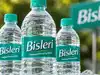
Bisleri action puts packaged water industry's quality standards under scrutiny
FSSAI has initiated prosecution against Bisleri after a non-compliant sample was found, raising industry concerns. Increased scrutiny now extends to other packaged water brands, including Coca-Cola's Kinley and PepsiCo's Aquafina. Experts suggest this regulatory action may enforce stronger quality controls and improve consumer safety across the sector. Regulatory oversight has been historically weak, allowing substandard products to enter the market.

Centre widens scrutiny of packaged water brands, even as Bisleri disputes claims
India's packaged water category is being scrutinized following allegations against Bisleri for unsafe products. The FSSAI found high levels of bromate in a sample, which is potentially harmful. Bisleri disputes these claims, stating independent tests show their water is safe for consumption. The FSSAI also suspended licenses of five health product manufacturers for various violations. Industry representatives stress that safety measures and testing protocols are being reinforced across bottling plants.

HUL sales rise 15% to hit 14-quarter high, but inflation clouds demand outlook
Hindustan Unilever posted a turnover of ₹18,071 crore for the September quarter, highlighting a 15% rise. Even with a price increase of 7.5%, the company's volume growth remained stable at 7%. Homecare emerged as the standout performer, boasting a robust 22% sales growth. Earnings before interest, tax, depreciation, and amortisation climbed to ₹4,089 crore, an 8% boost. However, ongoing inflation and wage issues in rural sectors pose significant challenges.

Hindustan Unilever Limited backs FSSAI labelling norms for food products high in fat, salt and sugar
Hindustan Unilever Ltd (HUL) has expressed support for the Food Safety and Standards Authority of India's (FSSAI) proposed food labelling requirements. These requirements aim to enhance transparency for consumers regarding nutrition information. Managing Director Priya Nair emphasised that HUL is well prepared to comply with these regulations. The planned front-of-pack nutrition labelling will alert consumers about high levels of sugar, salt, or fat.

Great Eggspectations: Brown, free-range, omega-3 or protein-rich? What’s really worth paying for in an egg
India’s premium egg market is growing as health-conscious consumers pay more for free-range, cage-free and nutrient-enriched varieties. But higher prices do not always mean better nutrition. While farming practices and specialised feed can raise costs, experts say unclear labelling and limited verification make it difficult for consumers to assess what they are paying for.
- Go To Page 1

From paneer to pizza, FSSAI puts India’s ₹200 lakh crore consumer boom to the test. Who pays?
The FSSAI's escalated enforcement in consumer sectors in India has led to increased compliance costs for companies. Many brands are now reevaluating their product claims and formulations as they face regulatory pressure. This heightened scrutiny could lead to rising operational costs and may require pricing changes for consumers. The increased compliance standards will likely benefit organized companies while posing significant challenges for smaller, unregulated businesses over time.

In healthcare, the patient is the least informed consumer
Significant price differences in healthcare consumables have drawn attention, prompting calls for better consumer protection. Maharashtra's FDA has uncovered alarming disparities, highlighting information asymmetry faced by patients. The Supreme Court reaffirmed consumer accountability for medical services, emphasizing the need for transparency. Consumers are encouraged to ask questions and take advantage of available grievance mechanisms. Strengthening enforcement and data-sharing among regulators can improve the integrity of healthcare transactions.

What to do with old jars? Try these 5 easy DIY reuse ideas to turn them into useful storage containers
Transform your clutter into an organized oasis by repurposing old household glass jars. Perfect for storing spices, stationery, or sewing supplies, these jars not only save space but add a touch of charm to any room. You can even fashion a customized desk organizer from a collection of jars. Just make sure to clean each jar thoroughly for safety and hygiene before putting them to use.

'Transparency' packs the punch: Sales of packaged health foods with clean ingredients surge 60% in 2 months
Sales of packaged products with transparent healthy ingredient claims have increased significantly in recent months. The Food Safety and Standards Authority of India is proposing a new front-of-pack labeling system. Surveys show parents are willing to pay more for healthier snack options for their children. Consumer engagement with food transparency is rising, leading to higher demand for guilt-free snacks.

What’s in a word? For India's FMCG brands, it's increasingly everything
Indian regulators are intensifying scrutiny over misleading food product claims. Companies now face legal challenges for unsubstantiated marketing statements. New front-of-pack warning labels are proposed for unhealthy packaged foods. This regulatory push aims to provide consumers with clearer product information. Companies are consequently allocating more resources towards compliance and quality checks.

From 2018 to 2022, more than 200,000 Break Free From Plastic volunteers audited waste in 84 countries; 56 companies produced more than half of all branded plastic pollution
A recent investigation highlights that fifty-six companies are behind the majority of branded plastic waste, with Coca-Cola at the forefront, trailed by PepsiCo and Nestlé. The study indicates a significant link between heightened plastic production and growing pollution across the globe. Alarmingly, about half of the plastic refuse discovered is unbranded. The findings call for improved accountability and transparency from producers regarding their packaging practices.

Let's know what we eat: The type of front-of-pack labels consumers actually need
As India confronts a rising tide of obesity and associated health conditions, the clarity of front-of-pack labelling is becoming crucial. Labels need to be simple and user-friendly to guide informed consumer choices. While industry feedback plays a role, it should never overshadow consumer rights.

Zomato bans analogue dairy dishes on platform, asks restaurants to take corrective action
Zomato has implemented a strict zero-tolerance policy regarding analogue dairy dishes, also known as synthetic or fake dishes. Restaurants must now use natural dairy products or remove affected menu items. This initiative aims to enhance transparency and ensure better food quality for customers. Listings found in violation of this new policy will be removed from the platform. Zomato's CEO stated this reflects a commitment to customer health and clear standards.
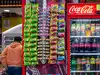
India weighs Canada-style warnings on packaged foods high in sugar, salt or fat
India's food regulator is considering new front-of-pack nutrition labelling for packaged foods. This system would highlight excessive fat, salt, or sugar content on food packages. The regulator is also exploring varied assessment thresholds based on typical serving sizes. This move follows Supreme Court scrutiny over the prolonged delay in implementing such standards. Industry representatives support clear, science-based nutrition information for consumers.

Nestlé backs India’s front-of-pack labelling push, seeks science-based approach
Nestlé's global CEO welcomed India's mandatory front-of-pack labelling proposal. He suggested manufacturers contribute to making the program more scientific. The company will share experiences from other countries with the government. Nestlé India has invested significantly in capacity expansion recently. The company's leaders also met with Prime Minister Narendra Modi.

Nestle backs stricter food labelling norms, says transparency key for consumers
Nestle’s global CEO Philipp Navratil has backed FSSAI’s tighter food-labelling scrutiny and supported front-of-pack disclosures, saying consumers should know what they eat. He said such rules should be scientifically designed, balanced and based on portion sizes and global best practices.

India wanted red flags on chip packets and soda. Big Food fought back
India’s food regulator has dropped plans for colour-coded front-of-pack nutrition warnings after industry opposition, opting instead for simpler disclosures. The decision faces Supreme Court scrutiny amid concerns over obesity, high sugar, salt and fat levels, and differing product formulations across countries.
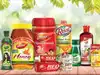
FSSAI crackdown sends food, beverage firms back to drawing board
Amid heightened regulatory scrutiny, Indian food and beverage companies are taking steps to update product labels and advertising claims. Regulators are stepping up the enforcement of established standards on consumer items and alcoholic beverages, prompting companies to review their packaging and messaging. Some have even opted to contest regulatory actions in court, as changing consumer preferences and a greater emphasis on label transparency push the industry toward clearer communication.

Nestle pushes for simpler US food labels to shed 'Frankenstein' ingredients image
Nestle is lobbying US authorities to allow food labels to use common ingredient names, such as "vitamin C" instead of "ascorbic acid", arguing technical terms discourage consumers from buying safe products. The push comes as the Trump administration reviews food-labelling rules under its "Make America Healthy Again" initiative.

Iceberg bets on organic sourcing and clean labels to build a Rs 100-cr ice cream brand
As India's premium ice cream market shifts from calorie-counting to ingredient-conscious consumption, Iceberg Organic Ice Creams is betting on certified organic sourcing, clean labels and transparency as the next big growth driver.

Govt moves to standardize edible oil pack sizes, industry sees boost for consumer transparency
The Indian government is set to introduce new rules for edible oil packaging. This move aims to standardize pack sizes, making it easier for consumers to compare prices. Manufacturers believe this will lead to fairer competition and better transparency. The initiative also focuses on sustainable packaging practices. Consumers will benefit from clearer choices and increased confidence in packaged edible oils.
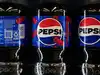
PepsiCo new packaging to carry 'No Artificial Flavours or Colours' label
PepsiCo is updating its snack packaging in India. Popular brands like Lay's, Kurkure and Doritos will now clearly show 'No Artificial Flavours or Colours'. This change will help consumers make informed choices, the company said. The company is investing significantly in its food business in India.

Food packs still don't tell the full story: Firms make selective label changes as FSSAI rules gather dust
Food companies are now adding voluntary health information to some product labels. These front-of-pack declarations mention sugar, salt, and fat content. This comes as consumers demand more transparency. However, health experts say these limited changes are not enough. Standardized, mandatory labels are needed to truly curb unhealthy food consumption. FSSAI's long-pending regulations remain undecided.

From labels to live data: How QR codes are changing what India knows about its food
India's food industry is embracing traceability. Consumers now expect verifiable information about their food's journey. Digital tools like QR codes are making supply chains transparent. This shift benefits farmers by reducing reliance on intermediaries. Businesses gain efficiency and reduce disputes. Trust in food is now built on data, not just reputation.

SC pushes FSSAI to put health over multinational interests, orders front-of-pack food labels
The Supreme Court has ordered the Food Safety and Standards Authority of India to speed up the implementation of Front-of-Pack Warning Labels. These labels will clearly show sugar, salt, saturated fat, and calorie content on processed foods. The court emphasized that citizens' health is paramount.

Snacks like M&M’s, Skittles, and Doritos ‘Not recommended for human consumption’ in US? Here’s what the Texas Bill proposes
Texas lawmakers are advancing a bill requiring warning labels on processed foods like Skittles, Doritos, and M&M’s if they contain additives banned in other countries. Industry backlash grows as Governor Abbott weighs the decision.

FSSAI calls for colour-coded labels on products with high fat, sugar content
The food industry has expressed its concerns over the draft of the proposed changes in labelling rules drawn up by the Food Safety and Standards Authority of India (FSSAI).

No import of food items with less than 60% shelf life: FSSAI
As per the new regulations, no article of food shall be cleared from the customs unless it has a valid shelf life of not less than 60 per cent at the time of import.
Load More

