
TIRE INFUSED ASPHALT
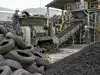
In 2000, Taiwan built test roads using ground-up waste tires in asphalt; a four-year study found the pavement performed better than conventional mixes
Transforming used tires into asphalt for road construction has shown significant sustainability and performance improvements. Taiwan's experience indicates that tire-enriched asphalt outperforms conventional materials. However, the technology's adoption hinges on careful financial and maintenance assessments. In California, rubber's application in asphalt is present yet limited. Ongoing research could bolster the effectiveness and practicality of this pioneering method.
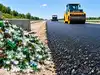
In 2024, Michigan Tech mixed 6% treated waste glass into asphalt; dynamic stability rose 42.3%, and anti-skid performance improved 38.6% over standard mixes
Researchers at Michigan Technological University have discovered an innovative way to utilize waste glass in paving roads. Their findings reveal that surface-treated glass enhances the stability and anti-skid features of asphalt, showing promise in lab tests. This breakthrough could revolutionize how we incorporate recycled materials, following similar experiments in US cities over the years, potentially paving the way for improved road construction methods in the future.

In 2026, Texas engineers mixed 4.5 tons of waste plastic into nearly a mile of road; the recycled material replaced 8% to 10% of petroleum-based bitumen
Innovative researchers are pioneering the use of recycled plastic to improve the durability of asphalt roads. By substituting a portion of traditional bitumen with plastic materials, they have observed encouraging results in early field tests, indicating enhanced resistance to heat and cracking. Additionally, laboratory studies demonstrate increased pavement stiffness and strength. This groundbreaking approach not only strengthens roads but also provides a sustainable solution for managing plastic waste.

