
THC
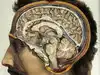
Northwestern scientists gave mice a cannabis-like drug before exposing them to fox scent; the animals froze more until researchers silenced specific brain cells
Cannabis affects fear responses differently in individuals, leading to increased anxiety in some. Researchers found specific brain cells in mice that influence these reactions. The study revealed that a cannabinoid drug intensified the mice's fear responses when exposed to predator cues. Results suggest that the same mechanisms might exist in humans, impacting fear and anxiety with cannabis use.

A very real visit to a country that doesn't really exist
Transnistria, located between Moldova and Ukraine, declared independence in 1990 but is still not internationally recognized. The region maintains a unique identity, heavily influenced by its Soviet past and Russian support. A visit highlights notable sites like Bender Fortress and Tiraspol, showcasing Soviet monuments and a rich cultural heritage. Despite aspirations for independence, Transnistria's existence relies on external backing and regional dynamics.
Alcohol stocks jump as blue wave boosts industry prospects
As the midterm elections unfold, investors are directing their focus to the alcohol sector, anticipating positive impacts on companies such as Constellation Brands due to shifting immigration policies. Optimism surrounding decreasing trade tensions with Canada also seems to uplift brands like Brown-Forman. However, the looming tariffs have caused a sharp decline in US spirits exports, and overall alcohol consumption in the country is still at historical lows, despite minor upticks.

Air India pilot in Phuket-Delhi flight incident was on sleep medication
An Air India pilot on sleep medication tested positive for marijuana after an incident. The aircraft rapidly lost altitude, injuring seventeen passengers on its flight. The pilot reported sleep difficulties and personal circumstances affecting his rest. Aviation experts stated prescribed sleep medication would not detect THC. The incident is now under investigation by the Air Accident Investigation Bureau.
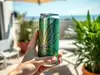
Cannabis-infused drinks may help people cut back on alcohol, survey data finds
A new study from the University at Buffalo shows that cannabis-infused beverages may help people lower alcohol consumption. Surveying 438 adults, researchers found that users of cannabis drinks reduced weekly alcohol intake from seven to almost 3.35 drinks. Binge drinking episodes also dropped significantly. Cannabis beverages, often packaged like beer or hard seltzers, enable users to maintain social rituals while consuming fewer alcohol calories.
High time to unlock marijuana's secrets
The Trump era has witnessed a significant legislative change as cannabis has been reclassified for medical research purposes. This strategic move aligns federal policies with state-level initiatives, enabling researchers to delve into the herb's potential for alleviating pain and its impact on mental health.

Pizza with key marijuana ingredient sickens people in US state. Here is what has happened
Marijuana ingredient-laced Pizza has caused illness among a few buyers in the US state of Wisconsin.
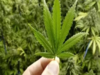
'Ganja or Cannabis may reverse brain aging': Study suggests potential anti-aging treatments
A recent study by researchers from the University Hospital Bonn and the Hebrew University of Jerusalem revealed that low doses of cannabis can reverse brain ageing and improve cognitive abilities in mice. THC, the active ingredient, enhances mTOR activity in the brain, potentially leading to new anti-ageing treatments for humans.

How a complicated regulatory landscape hurting startups selling food, clothes & wellness products made from hemp
Hemp gets a bad rap due to its infamous cousin marijuana. To make matters worse, they look somewhat alike. They both belong to the cannabis sativa family. While marijuana plants are short and bushy with broad leaves, hemp is taller with thinner leaves that are concentrated at the top of the plant. But the crucial difference is in the quantum of a psychoactive compound called tetrahydrocannabinol (THC).
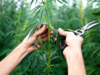
Cannabis compounds can keep Covid-19 virus from entering human cells, but vaping and smoking weed won’t, claims study
If hemp products containing these compounds are smoked or vaped, the heat exposure could cause the chemical decomposition

UAE eases drug laws: No more jail for those bringing in THC
The law marks a noteworthy change for one of the world's most restrictive nations when it comes to importing common drugs for personal use, from cannabis to over-the-counter medications like narcotics, sedatives and amphetamines. The country strictly prohibits the sale and trafficking of drugs, with drug use punishable by four years in jail.

E-cigarettes: misconceptions about their dangers may be preventing people from quitting smoking
In recent surveys, nearly half of US and a third of British respondents considered nicotine e-cigarettes to be as harmful as cigarettes, if not more harmful.
Hooked to hemp: Can better regulation help to unleash the medical and industrial advantages of cannabis?
Most cannabis or hemp-based startups in India are bootstrapped. They see a potential to grow but feel crimped because of poor regulation.
Mother's marijuana use may harm foetus' growth
New York, Oct 2 (IANS) Mothers' exposure to cannabinoid -- compound found in marijuana -- either smoked or eaten in candy bars, may affect the development of babies in the womb, researchers say.
Cannabis use can disrupt brain's information processing
The use of cannabis can produce psychosis-like effects and increased neural noise in humans, disrupting brain's normal information processing.

Scientists can now make THC, cannabidiols from Yeast
Just a month after announcing a method for hacking yeast to produce narcotics, researchers announced the creation of yeast that produces THC and cannabidiols.
Medical benefits of cannabis separated from its side effects
Their latest findings show how the cognitive effects of THC are triggered by a pathway which is separate from some of its other effects.

Marijuana may protect from traumatic brain injuries
The study included 446 patients who suffered traumatic brain injuries and underwent a urine test for the presence of THC in their system.
US firm plans to sell 'Bhang' chocolates, seeks trademark
Chocolates as such are considered intoxicating for many, and an American entrepreneur now wants to give it a new high by lacing the bitter-sweet dessert with very much an Indian intoxicant 'Bhang' and trademark it too.
Load More


