
TESTING AND RESEARCH

Since 2023, over 3,000 volunteers have searched satellite images for clouds; their answers are helping scientists check what computers miss
Thousands of volunteers are analyzing satellite images to assist in accurate cloud classification and detection. The CloudCatcher project aims to enhance the understanding of cloud patterns and their effects on climate. Human input provides valuable data to refine the capabilities of automated systems used in cloud detection. This collaboration showcases the growing trend of involving the public in environmental research efforts.

Gemini 4 Carbon opens to developers, enterprises with advanced AI capabilities for complex tasks
Google has expanded access to its Gemini 4 Carbon artificial intelligence (AI) model to developers, businesses, scientists and consumers, as it seeks to bring advanced AI capabilities to tasks such as software development, financial research and cybersecurity that require multiple steps and extended reasoning.

Does eating late really slow your metabolism? The clue came while people slept
In a small 2026 trial, eight men ate the same meals on two different schedules. Eating late made no clear difference to how many calories they burned over 24 hours. During sleep, their bodies made a smaller shift from using carbohydrates toward using fat.

IIT Indore reveals severe pollution in drain leading into Kshipra river ahead of Simhastha 2028 pilgrimage
IIT Indore conducted an investigation revealing significant pollution levels in Nagdhaman Nala, which impacts Kshipra river water quality. The study identified a lack of oxygen and high levels of faecal bacteria in the water. Experts expressed concerns regarding the water's unfit status for recreational use ahead of Simhastha 2028. Madhya Pradesh government has not taken necessary actions to address these pollution levels despite growing environmental concerns.

Researchers tested tobacco plants engineered to emit isoprene; after 10 days, hornworms feeding on those leaves were smaller than those on ordinary plants
Research conducted at Michigan State University revealed that isoprene emissions from plants deter pest herbiory effectively. This chemical causes plants to release hormones that make their leaves less digestible for insects. Interestingly, soybean plants possess genes allowing them to produce isoprene when damaged, enhancing their resilience. However, the increase of isoprene in the atmosphere poses a risk for air quality due to ground-level ozone formation.

Can closing windows keep wildfire smoke out? How much smoke still gets in and do air purifiers work?
Closing windows can reduce how much smoke from wildfires gets indoors, but some can still seep in. A 2026 NIST experiment found that a portable air cleaner’s performance depended partly on how air moved between rooms.
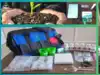
From lab to farm: How Proximal Soilsens is developing a ‘glucometer’ for soil testing
Developed over nearly a decade of research at IIT Bombay, Proximal Soilsens’s patented NutriSense X aims to make laboratory-grade soil testing portable, faster and accessible. The device tests multiple soil parameters in seconds, without requiring electricity or elaborate laboratory infrastructure.

Anthropic unveils Fable 5.2 and Mythos 5.2, its most powerful AI models yet: All you need to know
In a blog post, Anthropic said both models improve on coding, reasoning and vision, and cost less than the 5.1 versions. “Testers have found that Fable 5.2 and Mythos 5.2 communicate more clearly than past Fable and Mythos models,” it added.

Rs 4 lakh investment built an Rs 7848 crore empire. How a Mumbai man, who once earned Rs 150 a month, built a flourishing diagnostic laboratory chain
The entrepreneurial path of Dr. Arokiaswamy Velumani shows how perseverance, vision, and ingenuity can help create a profitable business with little funding. He invested just Rs 4 lakh to start a small thyroid testing lab in 1996, with Rs 2 lakh coming from personal savings and another Rs 2 lakh taken out of his provident fund.
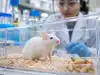
Scientists gave mice an existing asthma drug before exposing them to peanut extract; 95% were protected from severe allergic reactions in the experiment
Researchers at Northwestern University found that the asthma drug Zileuton reduces allergic reactions in mice fed peanut extract. The study indicates that Zileuton could block the inflammation that leads to anaphylaxis. While it works in mice, clinical trials in humans are just beginning. This research highlights a new biological pathway related to food allergies and the immune response.

Karnataka finds ethanol content above E20 limit in petrol samples, seeks action against OMCs
The Karnataka government has accused oil marketing companies of exceeding the mandated ethanol content in petrol. Tests conducted on petrol samples showed levels surpassed the legal 20% threshold significantly. The government plans to submit its findings to the Centre and seek appropriate actions against the companies involved. It has also demanded a compensation fund and clearer disclosures at fuel stations.

Maruti Suzuki to set up 12 automated driving licence test tracks in Telangana
Maruti Suzuki has signed a memorandum of agreement with the Telangana transport department for test tracks. The company will set up twelve automated driving licence test tracks across six locations in the state. Each track will feature advanced technology including high-definition cameras and RFID sensors for comprehensive testing. This initiative is part of Maruti Suzuki's corporate social responsibility efforts aimed at improving road safety.

OpenAI launches GPT-6 Cyber with 'Critical' cybersecurity rating
OpenAI released GPT-6 Cyber, a model built to find and exploit security flaws, to a small group of vetted customers on Thursday, rating it "Critical" in cybersecurity under its safety framework.

DRDO successfully tests indigenously developed Pralay missile off Odisha coast: Rajnath Singh
The Defence Research and Development Organisation executed a successful flight test of the Pralay missile. This test took place off the coast of Odisha at 11:10 am as part of user evaluation trials. Defence Minister Rajnath Singh confirmed that all objectives were met during the exercise. Data captured through various range instruments validated the success of the test.

Your old medical reports may reveal a disease risk you don't know about. Here's how AI can help
AI could help uncover hidden health risks by analysing years of old medical reports, blood tests, prescriptions and hospital records. Predictive AI models may identify patterns linked to conditions such as cardiac arrhythmias, liver disease and Type 1 diabetes, potentially allowing earlier medical intervention. However, incomplete medical records, data inconsistencies and false alerts remain major challenges.

Odisha signs MOU with J-PAL South Asia to strengthen evidence-based policymaking
The Government of Odisha has signed a three-year MoU with Abdul Latif Jameel Poverty Action Lab. This agreement aims to strengthen evidence-based policymaking through research and collaboration. J-PAL South Asia will support various governmental departments to address their policy priorities effectively. A Steering Committee will oversee the partnership and monitor project development every six months. The collaboration builds on ongoing efforts to improve areas such as education, sanitation, and governance.

With most drug candidates failing in humans, India’s draft rules bet on the wrong science in animal lab testing
Recent draft rules in India threaten advancements in non-animal testing for drug development and safety. The new regulations may prioritize animal testing over innovative human-based methods, despite their proven reliability. Efforts to incorporate non-animal methodologies into national standards have gained support from various government initiatives. Significant funding has been allocated to promote alternative testing methods throughout the country.

India leads on non-animal testing and its draft lab animal rules threaten to undo that
India's draft Prevention of Cruelty to Animals Rules 2026 proposes significant changes to animal research regulations and oversight. It allows for harsher experimental practices that could cause severe suffering to animals. Local committees would gain power to approve experiments without thorough central review, raising concerns about ethical standards. This shift contradicts the existing legal framework established by the Prevention of Cruelty to Animals Act 1960.

Rutgers scientists changed one gene in tiny worms to test a human kidney disease clue; the altered nerve protein fell to 15% of normal and missed its target
Researchers at Rutgers University have delved into the genetics of kidney disease by studying the miniature roundworm C. elegans. By manipulating a specific DNA segment, they discovered a drastic reduction in levels of polycystin-2, showing that this mutation hinders the protein's delivery to its cellular destination. This alteration also disrupts the functioning of polycystin-1, emphasizing the critical role of genetic mutations in disease understanding.
Load More


