
TEHRAN DIGITAL WARFARE
The next Iran war could be bigger, wider and harder to contain
Iran is actively preparing for potential military engagements that could provoke a major regional conflict. The escalation of Houthi attacks on Saudi territory complicates the situation for US allies in the Gulf. American military assets are being deployed in the region, anticipating possible Iranian reprisals. The interplay between ongoing conflicts could threaten critical infrastructure and international shipping lanes.

BRICS 2026: India's chairship and Global South's push for 'endless war to end of war'
New Delhi hosts the 18th BRICS Summit amid global conflicts and economic challenges. Developing nations seek this platform to voice concerns and find alternative solutions. The bloc faces internal divisions due to differing geopolitical alignments and national priorities. India aims to facilitate dialogue and steer discussions towards shared Global South objectives. The summit will explore practical solutions for global problems and promote peace and prosperity.

"Dropping like butterflies": Trump's Truth Social feed blurs lines with AI war imagery, LIV Golf highlights
Former President Donald Trump posted over a dozen AI-generated images on Truth Social depicting maritime warfare between the US and Iran, alongside golf event snapshots. The fabricated visuals, shared after a period of silence, targeted political rivals and aimed to validate past claims of military success against Tehran.

The 'Living Nostradamus' just made a terrifying Iran war prediction, and the date is very specific
Living Nostradamus Iran war prediction: Brazilian psychic Athos Salomé has triggered fresh global debate after warning that the Iran war may grow into a long and dangerous geopolitical crisis. The “Living Nostradamus Iran prediction” is rapidly trending as tensions between Iran, Israel, and the United States continue dominating world headlines in May 2026. Salomé claims the conflict will move beyond missiles and airstrikes. He believes cyber warfare, oil disruption, and economic pressure will shape the next phase. His prediction comes as global oil markets remain unstable and fears of infrastructure attacks increase worldwide.
How long before Iran breaks under crushing US pressure?
Iran and the US face a prolonged standoff. The US is intensifying economic pressure on Iran's economy. Iran indicates it can withstand the strain. The situation suggests a lengthy impasse. Both nations are showing endurance. The global economy may feel the impact of this deadlock.

Who is Mohammad Marandi? The man dubbed Iran’s ‘English-language mouthpiece’
The name Mohammad Marandi has surged across global search trends, especially during geopolitical crises involving Iran. Data from international media monitoring shows that English-speaking Iranian commentators appear in over 60% of prime-time geopolitical debates involving Iran, and Mohammad Marandi stands among the most visible voices. So who is Mohammad Marandi, and why is he repeatedly described as Iran’s “English-language mouthpiece”? The answer lies in his unique position at the intersection of academia, diplomacy, and global media narratives.
- Go To Page 1

Meet Gen Ahmad Vahidi, the man who now calls the shots in Iran
Iran's internal hardliners are now dictating policy. Maj. Gen. Ahmad Vahidi, a key figure, leads the Islamic Revolutionary Guard Corps. His influence suggests Iran prefers confrontation over peace talks. This shift sidelines moderate voices. Vahidi's background in external operations fuels this aggressive stance. Iran appears ready to endure costs for its ideological position.

Iran and US have been fighting a silent war without bombs or bullets for over a decade
Iran and the United States are locked in a prolonged cyber conflict. This digital war, ongoing for over a decade, involves attacks on banks and vital systems. Recent incidents highlight Iran's growing cyber capabilities. This invisible battle continues to shape the broader geopolitical rivalry between the two nations.
Hacked hospitals, hidden spyware: Iran conflict shows how digital fight is ingrained in warfare
Iran is employing advanced cyber tactics, like spyware disguised as bomb shelter alerts, against Israel and the US This digital conflict integrates disinformation and AI, compensating for military weaknesses. Iran-linked groups are launching numerous, though often low-impact, cyberattacks. Critical infrastructure and healthcare sectors are becoming targets. This evolving cyber warfare is a significant concern.

Hacked hospitals, hidden spyware: Israel-Iran conflict shows how digital fight is ingrained in warfare
Iran is escalating cyber warfare against the U.S. and Israel. Sophisticated attacks, including spyware disguised as bomb shelter information, are being deployed. These digital assaults aim to spy, steal, and intimidate. Iran is also targeting critical infrastructure like healthcare and data centers. Artificial intelligence is boosting attack speed and spreading disinformation.

Stryker cyber attack: Which Iranian hacker group is suspected behind the breach and why did Iran choose a global medical device giant for a wiper malware attack amid the US-Iran war?
4,000 workers went offline after the Stryker cyber attack hit global systems. The breach disrupted operations at Stryker Corporation across Europe, Asia, and the United States. Investigators suspect the Iran-linked Handala hacker group behind the attack. Early reports indicate hackers deployed wiper malware, a destructive cyber tool that deletes data and disables devices instead of demanding ransom. The incident shut down company laptops, network access, and internal platforms. Experts say the Stryker cyber attack may be linked to rising US-Iran cyber tensions. As a major global medical device manufacturer serving hospitals worldwide, disruption at Stryker raises concerns about medical supply chains and healthcare technology infrastructure.

Fake AI satellite imagery spurs US-Iran war disinformation
As the US-Israeli war against Iran rages, Tehran Times, a state-aligned English daily, posted on X a "before vs. after" image it claimed showed "completely destroyed" US radar equipment at a base in Qatar. The manipulated photo garnered millions of views as it spread across social media in multiple languages, illustrating how users are increasingly failing to distinguish reality from fiction on platforms saturated with AI-generated visuals.

When clouds get hit by drones: As data centres become target of strikes, there is one more critical infrastructure to protect
Recent drone strikes during the Iran–US–Israel conflict reportedly damaged cloud data centres operated by Amazon Web Services in the UAE and Bahrain, raising concerns that the physical infrastructure of the internet could become targets in warfare. Traditionally seen as remote digital utilities, these facilities are critical hubs powering governments, banking systems and AI services.

America is fighting Iran war not just in the Gulf
Following strikes that killed Iran's Supreme Leader, US counterterrorism officials are on high alert for potential retaliation within the United States. While no specific plots are confirmed, security agencies are vigilant against attacks from proxies or radicalized individuals, echoing past periods of heightened tension.

Iran-Israel war: Companies could see rise in digital threats, say experts
Iran-Israel war: Cybersecurity experts and consultants have issued advisories to Indian corporates warning that hackers could attempt to attack critical infrastructure including power grids, telecommunication networks, banking ATMs, as observed during Operation Sindoor.

Cyberattack risks rise for India amid Middle East tensions
Indian companies face growing cyber threats. Hackers are targeting critical infrastructure like power grids and banks. Similar attacks occurred during Operation Sindoor. Experts warn of increased risks to government services and essential networks. This follows heightened cyber activity in the Gulf region. India must prepare for potential compromises.

Iran crisis hits India’s economy; PE firms dial up SaaS deals
The ongoing conflict in the Middle East is likely to significantly impact Indian industries. This and more in today’s ETtech Morning Dispatch.

Iran bans Elon Musk’s Starlink, users now face prison, fines, even flogging
Iran's parliament has voted to ban Elon Musk's Starlink. This follows rising tensions with the West. The ban is expected to be approved soon. Users of Starlink could face fines or imprisonment. The move highlights Iran's concern over Starlink's role during internet blackouts. Starlink is seen as a tool in the information war.

As Iran Israel ceasefire holds, Tehran-backed hackers begin operations - target US banks, and defense sites
Iran-backed hackers have started targeting U.S. banks, oil companies, and defense firms after American strikes on Iran. U.S. authorities have warned critical infrastructure operators to stay alert for possible cyber threats. Experts say cyberattacks can spread fear and confusion, even without causing major damage. Officials are closely watching for more attacks.

US dropped 'bunker buster' bombs, but Iran’s 'Mysterious Team' has put America on high alert; What experts fear most
Following U.S. strikes on Iranian nuclear sites, Tehran-backed hackers have targeted U.S. banks, defense contractors, and oil companies. While the attacks have been limited, experts warn of potentially larger disruptions if tensions escalate. U.S. agencies are on high alert, but cybersecurity funding cuts raise concerns about America's digital defenses against Iranian cyber warfare.

Iran’s revenge calculus: Which levers can Tehran still pull?
Following US-Israeli strikes on Iranian nuclear sites, Tehran has threatened retaliation, potentially targeting US personnel and infrastructure across the Middle East. Iran's 'Axis of Resistance' proxies, though weakened, remain a threat. Closure of the Strait of Hormuz could disrupt global oil supplies, while cyber warfare and a nuclear breakout are also potential responses.
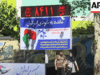
With death clock gone, Khamenei's prophecy lies shattered
Israel launched an airstrike in Tehran. The strike targeted a symbolic countdown clock in Palestine Square. This clock represented Iran's prediction of Israel's demise. The attack also hit military and intelligence assets. The destruction of the clock signifies a shift in the psychological war. It also marks a reversal of narratives between the two nations.

“Life is full of unexpected surprises”: The mystery of Iran’s robotic voice calls amid blackout
Iranians abroad face a strange issue. Calls to Iran get intercepted by robotic voices. This started after internet restrictions. Families are worried and experts are unsure of the cause. Some suspect government control. Others suggest foreign interference. The situation worsens isolation during conflict. Families struggle to connect amid internet disruptions. The source of the robotic voices remains unknown.

China-Russia trust erodes as Beijing’s hackers go rogue, launch cyberattacks to steal Ukraine war secrets
China hackers targeting Russia have secretly launched cyberattacks on Russian defense systems since the Ukraine war began, despite public claims of a strong alliance. Cybersecurity experts say Chinese groups linked to the state are digging into sensitive military data—ranging from drone warfare to nuclear submarine tech. Hackers like Mustang Panda and Sanyo have targeted major Russian firms, using tools like Deed RAT malware. A leaked Russian FSB document now labels China an “enemy,” exposing growing mistrust. These silent cyber intrusions show that even so-called allies are spying for battlefield secrets. The story reveals a deeper conflict beneath the surface friendship.

Iran's internet blackout leaves public in dark and creates an uneven picture of the war with Israel
Amidst the ongoing conflict between Israel and Iran, Iranians face severe communication blackouts, hindering access to information about Israeli strikes and the well-being of loved ones. Activists view this as psychological warfare, exacerbating existing state information controls.

WWIII is trending on social media and Gen Z is coping one meme (or loaf) at a time
Israel-Iran War: In a world battered by rising conflict—from Iran to Ukraine to Kashmir—people have found an unexpected coping tool: humour. As fears of World War III surface online, social media users are turning anxiety into memes. Sarcasm now accompanies missile warnings, and jokes mask very real concerns. With Donald Trump’s blunt threats to Iran and global military movements underway, the internet has become a digital refuge. For now, when diplomacy falters and danger spreads, laughter remains one of the last shared shields.

“This is how World War III begins”: As missiles rain on Tel Aviv, analysts say the next strike could drag the world in
WWIII News: Fears of a global war are escalating as Israel vows to strike Tehran following Iranian attacks that killed civilians near Tel Aviv. With tensions at boiling point, Iran warns it will hit Western military bases if provoked. Defence experts say Israel’s air campaign could be a model for future wars, including one involving cyberattacks and drone warfare. As Britain raises defence spending and the US pulls personnel from hotspots, the world watches anxiously, wondering whether diplomacy can avert a catastrophic conflict.

World War III fears rise as Iran tells the UN it will respond with full force against Israel — here's how it could retaliate
World War 3 fears explode as Iran retaliation for Israeli attack is now in motion as Tehran begins with drone strikes, but this could just be the start. Iran is warning of much stronger responses, from missile attacks and cyber warfare to using its proxies like Hezbollah and the Houthis. It could also block the Strait of Hormuz, risking a global oil crisis. With nuclear escalation now on the table, fears of a wider Middle East conflict are growing. As Israel stays on alert and oil prices soar, the world watches what Iran will do next. This could reshape the entire region—and the global economy.

Israel's secret weapon against Iran can be a deadly option
After Iran launched missiles at Israel, Netanyahu warned of significant repercussions, hinting at potential strikes on Iran's nuclear facilities. While the US seeks a restrained response to prevent regional war, Israel considers military or cyber attacks, highlighting its technological prowess and potential escalation risks.
Load More

