SYNTHETIC MEDIA REGULATIONS

Pixxel's Indian ownership comes under scrutiny
Pixxel founder and chief executive Awais Ahmed in a blog post on X said the company remains “headquartered, owned, managed and controlled in India,” on Monday. Indian investors, including the founders, collectively hold the largest shareholding in the company, followed by investors from Singapore, the UK and the US, he added.

Social media norms, AI, deepfakes, chips among others on review list of parliamentary panel in 2026-27
The development comes as several incidents of age-inappropriate content, circulation of child sexual abuse material (CSAM), and alleged censorship on social media have been reported widely.

Online festive sales fizzle; Snowflake CEO on AI’s impact on software
Happy Monday! Festive ecommerce sales have slowed down this year, we tell you why. This and more in today’s ETtech Morning Dispatch.

National Medical Commission bans doctors & hospitals from using AI-generated patient testimonials, fake cure claims in medical ads
The National Medical Commission has implemented new ethical advertising guidelines affecting doctors and hospitals. These guidelines prohibit the use of artificial intelligence for generating promotional content or testimonials. Measures have also been taken to restrict paid patient solicitation and misleading claims in advertisements. Strict penalties have been established for non-compliance, including warnings and license suspensions.

US midterm elections 2026: Traditional TV ads may be over, TikTok and podcasts are changing political campaigns
Political strategists predict that by 2028, artificial intelligence will revolutionize campaign operations, allowing for hyper-targeted messaging tailored to individual voters through advanced data analytics. While AI's benefits include rapid fact-checking, it raises significant concerns, particularly regarding deep fakes and misleading political ads. The emergence of AI-driven ads in various races signals a shift in the political landscape, prompting vital discussions about the ethical ramifications of this technology.
AI regulations should be nimble to boost innovation: Principal Scientific Advisor Ajay Sood
India's top scientific advisor advocates for agile AI regulations that foster innovation. New amendments to the IT Act 2021 address risks from artificial intelligence and deepfakes. The government prioritises innovation for inclusive growth and developing India by 2047. Existing laws will be strengthened to ensure public safety and fundamental human rights.
- Go To Page 1

India must make AI labels durable and verifiable
In a landmark move, California and India have implemented legislation aimed at enhancing transparency in AI-generated content. These laws require the incorporation of nearly invisible watermarks alongside visible identifiers for synthetic media to combat confusion between genuine and artificial creations. The regulations from India set forth clear definitions and compliance demands for synthetic information. However, a critical hurdle remains: ensuring the longevity and effectiveness of AI label authentication.

MeitY asks Meta to revamp algorithms, curb deepfakes and illegal content on platforms: Government sources
India's MeitY has urged Meta to revise its algorithms and provide a compliance roadmap. The government seeks stronger detection and removal of harmful and manipulated content. Meta's technical team met with MeitY officials to discuss existing content moderation systems. The company acknowledged system gaps and outlined potential technical measures for synthetic content. Discussions continue as India tightens regulations on synthetically generated information.

Over 760 proposals, requests from various ministries on AI applications under evaluation: IT Secy
Nearly 762 AI application suggestions are being evaluated by Meity from various ministries. Discussions will soon begin with stakeholders to draft new AI regulations. Existing IT rules have addressed initial concerns regarding deepfakes and synthetic content. Stricter disclosure norms for AI-generated content are also being proposed. India is tightening its IT rules to firmly crack down on AI deepfakes.
AI world vastly different from IT Act era, believe new law is needed: Union minister Vaishnaw
India's IT Minister Ashwini Vaishnaw believes a new law is needed for Artificial Intelligence. The current IT Act, enacted in 2000, predates AI's rapid growth. Discussions are underway with the industry to balance innovation and regulation. India is also tightening rules on AI-generated content and deepfakes to ensure citizen safety.

Constant AI labelling, lasting pain: Why govt's label mandate could reshape social media
India's MeitY is proposing a significant new rule for social media platforms. Platforms must now display labels on synthetic content continuously throughout its playback. This requirement is more demanding than previous regulations. The move aims to address concerns about artificially generated information. Stakeholders have until May 7 to provide comments on the proposal.

What are Karnataka’s AI-focussed responsible social media, digital safety rules?
Karnataka’s proposed digital safety bill seeks to tighten social media regulation with AI-led moderation, mandatory labelling of synthetic content, and quicker action on harmful posts. User safety, especially for younger audiences, stricter timelines and institutional oversight to enforce compliance are among its other aims.

India's tougher AI social media rules spark censorship fears
India has tightened rules governing the use of artificial intelligence on social media to combat a flood of disinformation, but also prompting warnings of censorship and an erosion of digital freedoms. With more than a billion internet users, India is grappling with AI-generated disinformation swamping social media.

India's Deepfake Fix: Unmask & punish feku-makers
New rules aim to curb deepfakes by labeling synthetic content. However, these proposals place undue burden on social media platforms. Experts argue this approach misinterprets platform roles and neglects to punish actual creators of harmful content. The focus should be on identifying offenders and removing malicious material, not solely on intermediaries.
Social media platforms have to take responsibility for published content: Vaishnaw
IT Minister Ashwini Vaishnaw says platforms must understand India’s social structure and diversity before framing community guidelines.
Tech groups flag implementation challenges with proposed AI rules
India’s proposed crackdown on AI-generated deepfakes may overburden legitimate firms without curbing bad actors, warn DSCI, ITI, and IAMAI. They flagged the proposed amendments as overly broad, which would impose compliance burdens on digital intermediaries without effectively addressing the risks AI-generated deepfakes pose.

India’s proposed AI content regulation aims to curb misuse, but risks overreach
India's proposed rules for AI-generated content may hinder innovation. The government plans to mandate disclaimers on synthetically created media. This could impact everything from advertising to entertainment. Experts question the practicality and effectiveness of these regulations. The focus is on how these rules will affect businesses and creators.

Click, label, share: How India wants to tame AI-generated content on social media
India's proposed IT Rules 2021 amendments mandate labeling for synthetic AI-generated content on social media. While aiming for transparency, the rules face challenges with user comprehension, technical detection hurdles, and potential burdens on the AI industry. Effective enforcement and clearer guidance are crucial for success.

Govt not asking creators to restrict AI content, only to label it: IT secretary Krishnan
The draft IT rules proposing that creators label AI-generated material aim to ensure transparency, allowing users to make informed decisions, Krishnan said. The focus is on innovation, with regulation applied where needed, he said, adding that these changes will help combat deepfakes and misinformation.

Deepfakes on govt radar; India Quotient’s largest fund yet
Happy Thursday! India is shaping its technology regulations to combat AI-generated deepfakes. This and more in today’s ETtech Morning Dispatch.

Centre moves to regulate deepfakes, AI media; MeitY proposes amendments to IT rules
MeitY has proposed amendments to the IT rules to regulate AI-generated content, including deepfakes. Platforms must label synthetic media clearly and verify user declarations. The draft aims to prevent misuse, protect privacy, and boost transparency. Feedback is invited by November 6 as part of ongoing efforts to tackle online misinformation.

Caveat emptor, of online fibfluencers
Sebi is grappling with the pervasive influence of misleading finfluencers targeting retail investors, exacerbated by low financial and internet literacy. While the regulator has taken steps to curb unauthorized advice and disseminate credible information, the challenge lies in the fragmented nature of online content and the limitations of social media platforms' moderation efforts.
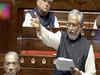
Demand in RS for SEBI-like regulator for social media platforms to check deepfakes
BJP MP Sushil Kumar Modi has called for a SEBI-like regulatory body to curb the rise of deepfakes and synthetic videos on social media platforms. He argued that these videos threaten democracy and women are soft targets. Modi also called for social media companies to detect, remove, strengthen reporting, and raise public awareness about these new threats.

Google to allow users to request removal of AI-generated deepfakes from YouTube
Google has also made progress on tools to detect synthetic audio by training a classifier that can detect such content with nearly 99% accuracy, the company’s vice president of government affairs and public policy for Google Asia Pacific Michaela Browning said.

PM Modi calls for global regulation of AI
However, a Mumbai-based businessman, who is a look-alike of the prime minister claimed that the video in question featured him playing garba and was not a deepfake of the prime minister. Deepfake videos are synthetic media in which a person in an existing image or video is replaced with someone else's likeness.

CCI clears Bharti Group's 49 pc stake buy in Bharti AXA Life Insurance
"CCI approves acquisition of approx 49 per cent shareholding of Bharti AXA LifeInsurance Co. Ltd. by BhartiLife Ventures Pvt Ltd from AXA India Holdings & acquisition of approx 48.54 per cent shareholding of Bharti Management Services Ltd by BhartiEnterprises Ltd. from Societe Beaujon," according to a post by CCI on social media platform X on Tuesday.

Poll overseers, get your AI act together
Google is set to disclose the use of AI tools and content in political advertising on its platform, following in the footsteps of Facebook's policies on deepfakes. Social media platforms are implementing remedial measures in preparation for upcoming national elections. However, lawmakers must also establish regulations for AI across industries, such as approving locked algorithms and requiring regulatory disclosure for financial profiling.

Deepfake anyone? AI synthetic media tech enters perilous phase
How increasingly sophisticated technology is applied is one of the complexities facing synthetic media software, where machine learning is used to digitally model faces from images and then swap them into films as seamlessly as possible.
Load More