
SUGAR CLEANING HACK
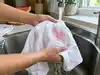
A watermelon spill can vanish as it dries, then quietly come back yellow or brown; washing it early stops the hidden stain from oxidizing into a lasting mark
Though watermelon juice stains may seem like they’ve vanished, they can oxidize over time, leading to visible marks. It’s crucial to act swiftly to avert these stains from embedding into fabric. Use cold water and steer clear of heat for the best results. When cleaning, avoid bar soap as it can complicate tannin stains. For any dried stains, oxygen-based bleach works wonders, fading them better than typical detergents.
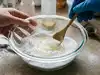
Mixing detergent with baking soda & sugar: How to use this cleaning hack correctly and what is recommended
Best kitchen cleaning hacks: A simple homemade paste uses detergent, baking soda, and sugar for cleaning. Detergent loosens grease and dirt, while baking soda offers mild abrasion. Sugar adds texture but is not a disinfectant for killing germs. This mixture works well on kitchen and bathroom surfaces for stuck-on residue. Always test on a hidden area before widespread application.
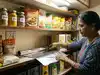
Placing aluminium foil on your pantry shelves: How this simple kitchen hack works, its benefits and the right way to use it
Easily enhance your pantry's cleanliness with a clever trick: place aluminium foil on the shelves. This simple barrier captures food debris before it can settle into your furniture, making cleaning a breeze. When the foil gets dirty, just swap it out for a fresh piece. This method streamlines maintenance, ideal for those with hectic lifestyles seeking convenience and efficiency.

Kitchen shelf cleaning tips? Try these viral deep-cleaning hacks to remove years of grease, grime and sticky buildup
Kitchen shelf cleaning hacks: Kitchen shelves can accumulate unseen dirt and grime, necessitating thorough cleaning routines. To reach neglected areas, it's essential to completely clear the shelves. Basic soap mixed with water is great for handling typical dust and light grease. Using warm, damp cloths can help dissolve sticky messes for easier removal. Additionally, making sure shelves are dry and wiping down bottles will help maintain a clean environment.
Can you reuse plastic water bottles? Know the risks of reusing them
Refilling single-use plastic bottles with clean, undamaged water is generally safe. However, any scratches or grooves inside the bottle can harbor harmful microorganisms, raising the risk of bacterial growth. Additionally, sugary drinks and milk can further promote bacterial multiplication. While heat doesn’t break down the plastic, it can spoil drinks that need refrigeration. Opting for reusable bottles is a far more sustainable and safer alternative for the long term.

How to remove chewing gum from clothes without ruining the fabric: the freezer trick that actually works
Gum on clothing can be removed by freezing the fabric. This method makes the gum hard and brittle, allowing it to snap off easily. After freezing, carefully scrape the hardened gum away with a utensil. Warm vinegar or rubbing alcohol can address any remaining sticky residue. Avoid heat and oil-based hacks which can worsen the problem.
- Go To Page 1

One sheet of aluminum foil can solve a surprisingly common kitchen problem. Here's what is it and how to make it happen
One sheet of aluminum foil can solve a surprisingly common kitchen problem by helping you make a quick funnel at home. A single sheet can be folded into a cone and used to transfer dry goods, cooking oil, spices, grains, seeds, or plant food without creating a mess. This simple kitchen tip needs no special tools, saves time, reduces waste, and offers a practical solution for many everyday household tasks.

The affordable kitchen fix for burnt and greasy baking trays
Burnt baking trays can be restored with common kitchen ingredients. Baking soda, vinegar, and dish soap work together. Baking soda breaks down fats. Vinegar dissolves mineral deposits. Dish soap lifts grease. This scientifically proven method is cost-effective and eco-friendly. It extends tray life and reduces waste. Home cooks can easily revive their baking trays.

Mumbai nutritionist shares 4 simple lifestyle lessons from Japan for healthy living
A nutritionist's recent observations highlight Japan's unique approach to well-being, extending beyond technology. She noted the pervasive culture of silence, gender-neutral self-care, effortless fitness integrated into daily routines, and the centuries-old 'hara hachi bu' eating practice of stopping at 80% fullness. These lifestyle choices offer a compelling glimpse into a different way of living.

Sanjeev Kapoor’s three-step easy guide: How to wash and blanch spinach perfectly every time in 5 minutes
Spinach, a nutritious green leafy vegetable, must be properly washed and blanched before cooking. Celebrity Chefs Pankaj Bhadouria and Sanjeev Kapoor suggest that you should lift the leaves of spinach. For blanching it, always add salt and sugar to boiling water before dropping in the spinach leaves. Cook for 1–2 minutes, then immediately transfer the spinach into a bowl of ice-cold water for 2 minutes
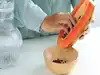
How to dry papaya seeds at home in simple three steps: The powerful superfood for cancer prevention, blood sugar control and liver health
Papaya seeds are a powerhouse of nutrients, possess anti-cancer properties, help in digestion, help in blood sugar control, and also help in liver detoxification. You can dry the papaya seeds at home in just three simple steps. First, gently remove the seeds, wash them thoroughly and then dry them in an oven or a dehydrator.

AIIMS-trained gastroenterologist Dr Sethi shares five-step formula to turn your morning coffee into anti-inflammatory powerhouse
Dr Sethi, Harvard trained gut doctor and top gastroenterologist has suggested five simple steps using which you can turn your coffee into an anti-inflammatory powerhouse. Drinking coffee offers various benefits- from lowering the risk of depression to altering fat storage and boosting energy levels. An individual can consume one to four cups of coffee per day as it is safe.

Is Samantha Ruth Prabhu’s 'meal sequencing' hack the real deal for blood sugar? Expert breaks it down
Meal sequencing, a diet trend recently spotlighted by Samantha Ruth Prabhu, suggests that the order in which you eat food—starting with fiber and protein—can control blood sugar and reduce inflammation. While studies show potential benefits, nutritionists warn there's insufficient evidence to call it a reliable weight-loss hack. A balanced diet remains the cornerstone of good health.

Frida Kahlo puzzle, CBD mask sprays: The sanity list that got us through 2020
Here's looking at the best discoveries in a year that kept us indoors.

Celebrate Mother’s Day in lockdown: DIY cake, Zoom party & other gifts that will make your mum feel special
A quarantine special Mother’s Day gifting guide.
Load More

