STUDY

Most large firms plan higher open-weight AI use to cap bills, study shows
According to a recent Capgemini study, senior executives are increasingly embracing cost-effective open-weight AI models, with nearly 60% expecting to adopt them more extensively in the upcoming year. Many admit to overspending on AI initiatives, surpassing their budgets by an average of 24%. While open-weight models dominate traffic volumes, they represent a fraction of overall spending.
India may open doors to multinational pharma firms for first-in-human Phase I trials
India is considering modifications to its pharmaceutical regulatory framework to attract multinational companies for clinical trials. Discussions have commenced regarding allowing these companies to conduct Phase I trials in India. Authorities aim to enhance India's appeal for global drug innovation and development. Strengthening manufacturing compliance over the last two years has also been part of the plan.

MIT researchers traced the family history of over 1 million cells in developing mouse embryos; the map revealed when cells began becoming different organs
A research team from MIT has mapped the lineage of over a million cells in mouse embryos. This extensive study reveals how cells decide to form specific tissues during development. The new technique allows scientists to identify where developmental errors occur, which may lead to birth defects. It also provides insights for cancer research by highlighting early changes in healthy cells.

Acceleration in clean technology needed to ensure decline in world's emissions: Study
Adopting clean energy solutions such as solar, wind, and electric vehicles can play a pivotal role in lowering carbon emissions. The Global Carbon Project highlights a concerning forecast of rising emissions in India that may exceed earlier predictions. While many nations are successfully decreasing fossil fuel emissions, a rapid shift to cleaner energy sources is critical, as our carbon budget is narrowing, demanding immediate action to meet 2028 emission goals.

Karnataka plans feasibility studies for 1,500 MW floating solar capacity
Karnataka is currently exploring the establishment of floating solar power projects aimed at generating 1,500 MW capacity. The initiative includes conducting feasibility studies and surveys for suitable reservoirs and water bodies. KPCL will evaluate technical aspects and environmental impacts as part of project preparation. This project reflects the state's commitment to innovative renewable energy solutions while optimizing land and water resources.

Using ChatGPT at work could make your boss trust you less, even if you deliver better results, study of managers warns
A new study spanning six experiments finds that employees who use ChatGPT and other AI tools at work may be seen as less trustworthy by their bosses, even when they deliver better results. Researchers found that managers were more likely to trust employees who worked independently, while clear company policies encouraging AI use could help reduce the trust penalty.
- Go To Page 1

Munawar Faruqui once earned Rs 10 per day and started working at eight: A look at his impressive networth, Rs 6 crore Mumbai house
In a candid chat with Sania Mirza, stand-up comedian Munawar Faruqui revealed his life and struggles before fame found him. He revealed that he worked at utensil shops and gift shops initially. He was a good student but had to discontinue his studies due as he had to earn money for his family.

What is Vitamin K deficiency bleeding, and why does it occur in newborns? Here's what the new study found
A 347% increase has been witnessed in the number of newborns suffering from the Vitamin K Deficiency Bleeding (VKDB) in the US between 2017 and 2025, a new study has found. The reason for this rise seems to be that fewer newborns are receiving vitamin K injections, said researchers. Vitamin K deficiency leads to bleeding within the body and cause serious complications for a newborn.

IIT Indore reveals severe pollution in drain leading into Kshipra river ahead of Simhastha 2028 pilgrimage
IIT Indore conducted an investigation revealing significant pollution levels in Nagdhaman Nala, which impacts Kshipra river water quality. The study identified a lack of oxygen and high levels of faecal bacteria in the water. Experts expressed concerns regarding the water's unfit status for recreational use ahead of Simhastha 2028. Madhya Pradesh government has not taken necessary actions to address these pollution levels despite growing environmental concerns.

The end of cervical cancer? Study claims HPV vaccine leads to almost zero fatalities from the dreaded disease; find out how it prevented nearly 200 deaths in England
A recent study shows that the HPV vaccination program has significantly reduced cervical cancer deaths in England. Researchers reported about 200 lives saved by the program, which targets multiple HPV types. Despite these successes, vaccination rates among young people remain below the recommended World Health Organization levels. The HPV vaccine does not eliminate the need for regular cervical screenings, which are still essential.

Heat-trapping carbon pollution drops, but scientists cite the Iran war rather than energy progress
This year, global carbon emissions fell by 0.4%, driven by oil supply disruptions from the conflict in Iran. While oil and natural gas emissions experienced notable declines, there was a small uptick in coal emissions. Experts caution that these improvements may not be guaranteed, attributing them primarily to external influences.

India’s emissions to rise 4.4% despite global dip: Study
Renewable energy capacity growth and electric vehicle adoption are projected to reduce fossil fuel emissions by 0.4%. Major economies like China, the US, and the EU are expected to decrease emissions this year. However, India's emissions are predicted to increase at a higher rate than previous years. The ongoing energy crisis due to geopolitical events is influencing these changes in emissions.

Jensen Huang love story: How 17-year-old Nvidia CEO won over 19-year-old Lori at Oregon State University. There were just 3 girls in class among 250 students
Nvidia's CEO, Jensen Huang, has come clean about an extramarital affair with Alice Huang, sparking controversy due to her suspected ties to Chinese intelligence. Meanwhile, Nvidia's board has launched an investigation into the situation. Jensen met his wife Lori at Oregon State University, where they studied electrical engineering, and they tied the knot in 1985 after his pledge to be a CEO by age 30.

Indian sector of Southern Ocean sees rising oxygen levels, contrary to global trend: Study
Research reveals that oxygen levels in the Indian sector of the Southern Ocean increased significantly from 1993 to 2025. This rise is attributed to enhanced ocean ventilation processes affecting the deeper water layers. Results indicate that the Antarctic Zone experienced notable increases in dissolved oxygen concentration. Observations show a retreat of winter water layers, indicating changes in ocean structure.

Ground floor residents breathe cleaner air: Upper floors in high-rise apartments record 40% more pollution and toxic air, study finds
Residents on the ground floors of high-rise buildings may be breathing cleaner air than those living several floors above them, with upper levels recording up to 40% higher particulate pollution, a Mumbai study has found. Researchers monitoring residential towers in Wadala linked the pattern to industrial emissions and swirling wind currents around tall buildings.
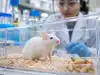
Scientists gave mice an existing asthma drug before exposing them to peanut extract; 95% were protected from severe allergic reactions in the experiment
Researchers at Northwestern University found that the asthma drug Zileuton reduces allergic reactions in mice fed peanut extract. The study indicates that Zileuton could block the inflammation that leads to anaphylaxis. While it works in mice, clinical trials in humans are just beginning. This research highlights a new biological pathway related to food allergies and the immune response.

For 8 years, scientists studied 8 wild bumblebee species in Colorado; tongue length shaped pollen preferences, while bees shifted their diets with the seasons
A recent study from Northwestern University and the Chicago Botanic Garden reveals bumblebees' dietary preferences. Wild bumblebees monitor their intake of proteins, fats, and carbohydrates throughout the seasons. The research indicates that bees change their dietary preferences as seasons progress, ensuring they get adequate nutrition. Planting a variety of flowers in gardens may help support these vital pollinators.

Could falling asleep earlier help with weight loss? Here’s what researchers found
A study of adults with prediabetes found a link between falling asleep earlier and losing more weight. Most participants still fell asleep after midnight by the end of the eight-week program. The results raise a question researchers haven’t answered yet: Would changing bedtime on its own make a difference?

Rich countries benefitted more from COVID-19 vaccine's return on investment than poor ones: Study
COVID-19 vaccines generated economic benefits worth USD 60 to USD 809 for every dollar invested in their development and distribution, a global study of 173 countries has found. However, high-income countries gained more due to earlier access and faster rollouts, while delayed vaccine availability limited benefits in poorer nations.

Good sleep may help counter effects of diabetes, heart disease on brain: Study
A groundbreaking study from Karolinska Institutet in Sweden reveals that quality sleep significantly boosts cognitive function in individuals suffering from cardiometabolic disorders. Analyzing data from over 400,000 participants, including nearly 35,000 brain MRI scans, the research underscores the connection between better sleep and increased brain matter volume, particularly in those with type 2 diabetes, heart disease, or stroke, suggesting that prioritizing sleep could enhance brain health significantly.

India's solar module component market may more than double to $7.8 billion by FY28
India's solar module component market could grow to $7.8 billion by March 2028 from $3.6 billion in September 2026, driven by expanding domestic manufacturing capacity and demand, a CEEW study said. However, timely commissioning of planned factories and assured orders from solar module makers will be crucial to unlocking this potential.
India’s solar components market to more than double to $7.8 billion by March 2028: CEEW
India's market for solar module components is projected to exceed $7.8 billion by March 2028. This growth is primarily driven by increased domestic manufacturing capacity and rising demand. Planned expansions of production facilities are crucial for meeting anticipated requirements. Additionally, ensuring consistent quality and reliable supply chains will enhance competitiveness against imports. The study emphasizes the importance of clear standards and regulations for the solar components industry.

Sentiment boost for students chasing the American dream as election verdict could temper Trump’s immigration agenda
The recent midterm elections in the United States have raised hopes for Indian students aspiring to study there. Experts believe that while the electoral outcome may boost sentiments, policies regarding immigration are unlikely to change immediately. Existing visa restrictions and uncertainties pose challenges for prospective students as they transition to employment. The Democrats can potentially mitigate any further restrictive immigration measures through their Congressional control.

Over half of street vendors may cut UPI acceptance if 0.4% MDR is introduced: ISB study
More than 67% of street vendors in India currently accept UPI payments for transactions. A proposed 0.4% merchant discount rate could lead to reduced acceptance among vendors. Concerns arise particularly for vendor-supplier transactions, as many vendors make payments above ₹2,000. A significant portion of vendors faced additional charges from suppliers and might pass costs onto customers.

Low vitamin C intake during pregnancy linked with negative emotions in infants: Study
Mothers with lower vitamin C intake during pregnancy were more likely to have fussy infants at six months. Supplemental vitamin C intake can mediate these negative emotions and support healthy brain development. The study analyzed data from over 300 pregnant women, focusing on nutrition and maternal mental health. Researchers suggest that this nutritional change is easily modifiable and can benefit families significantly.

How Students Can Use AI to Study Smarter Without Letting AI Do the Thinking for Them
Join the Winter Cohort of the AI Bootcamp for Students by Times of India, where learners will harness cutting-edge AI tools like Claude, Gemini, and NotebookLM. This program aims to transform education by empowering students to explore difficult concepts and craft customized learning materials. Participants will also learn to sharpen their questioning abilities, design interactive review content, and strengthen their overall study habits.

ETtech Explainer: Why SIM-binding is a concern for consumers and businesses
A new study raises alarms about the Department of Telecommunications' proposed SIM-binding requirement for messaging applications. The mandate could severely disrupt operations for consumers and businesses alike, especially impacting international travelers who depend on local SIMs or Wi-Fi. Businesses are bracing for heightened costs and difficulties tied to limited device accessibility.

The famous study saying dead people make the best investors never existed, but the lesson holds; here's what you need to know
Although the famous Fidelity study has no verified research behind it, the idea that investors can hurt their returns by trading too frequently had academic support. In 2000, researcher Brad M. Barber and Terrance Odean published a study examining the stock market performance of individual investors.
Load More