
SPACEFLIGHT AND PATHOGENS
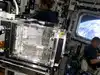
In 2006, NASA launched 75 fruit flies on STS-121 for 13 days; Discovery returned with about 3,000, including a new generation that developed in space
NASA's experiments with fruit flies in zero gravity unveiled significant weaknesses in their immune systems. Observations indicated these flies produced fewer specialized immune cells and exhibited a diminished ability to combat bacteria. Further investigations demonstrated that their responses to fungal infections were also altered in space. These discoveries illuminate potential immune function disruptions among model organisms during spaceflight, raising important concerns for upcoming long-duration human space missions.
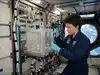
In 2015, fruit flies were sent to International Space Station to study how microgravity and the space environment affect the innate immune system
In 2015, fruit flies were sent to International Space Station to study how microgravity and the space environment affect the innate immune system. NASA’s Fruit Fly Lab-01 tested how weightlessness affects immunity and also tested a new research platform. The mission used fruit flies because of their genetic links to humans and their short life cycle.
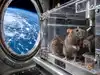
In 1983, NASA flew six rats in Challenger’s crew cabin for a 6-day test; the cage kept them healthy, but engineers called for a 20% more water safety margin
In 1983, six brave rats embarked on an experimental journey aboard the Challenger shuttle. Their specially designed enclosure ensured protection from any contamination caused by the animals. Despite successfully maintaining safety, the mission highlighted critical challenges in food distribution and water accessibility. This pivotal short flight yielded essential insights necessary for the development of long-term space missions, emphasizing the need for testing life support systems in adverse situations.
In 2006, NASA grew Salmonella in space; the bacteria returned more virulent than genetically identical germs cultivated on Earth
In a striking discovery, researchers found that Salmonella bacteria cultivated in space exhibited a heightened level of aggression, proving to be three times more hazardous than those on Earth. The unique microgravity environment mimics human digestive processes, providing insights into how these pathogens evolve. This vital research is poised to enhance the development of effective vaccines and treatments for various infections, marking a leap forward in medical science.
ISS hosts as much microbes as gyms, hospitals: NASA
Scientists created a comprehensive catalogue of the bacteria and fungi found on surfaces inside the ISS.
NASA to launch E. Coli into space to study antibiotic resistance
Washington, Nov 11 (IANS) To study microgravity's effect on bacterial antibiotic resistance, scientists are set to send E. coli, a common bacterial pathogen linked to urinary tract infections and foodborne illnesses, to the International Space Station (ISS).
- Go To Page 1
Spaceflight may age immune system in astronauts prematurely
Frippiat and colleagues in the study used a ground-based model called hindlimb unloading (or HU), that simulates some of the effects of spaceflight on mice.
Load More

