SECONDARY TARIFF US

Samvat 2083 outlook: 8 triggers that could turn Sensex, Nifty correction into a rally by next Diwali
Indian equities enter Samvat 2083 after a correction that has made valuations more attractive, but a sustained rally will depend on several triggers. Falling crude oil prices, easing inflation, an earnings recovery, FII buying, an India-US trade deal and continued domestic liquidity could shape the market's trajectory over the next year.

Rubio to visit France on first post-midterm foreign trip to face questions on Trump policies
US Secretary of State Marco Rubio will attend the G7 foreign ministers meeting in France this weekend. This trip follows significant Republican losses in the midterm elections, raising questions about Trump's international policies. Rubio is expected to address various global issues, including the Iran and Russia-Ukraine conflicts. The meeting aims to cover topics like energy security and support for Ukraine amidst ongoing challenges.
Bulls roar! Market value of BSE-listed companies crosses Rs 500 lakh cr for first time as Sensex soars 2,000 pts. More upside ahead?
Indian markets rallied sharply, pushing BSE's total market capitalisation past Rs 500 lakh crore for the first time. Easing crude oil prices, renewed FII buying, a stronger rupee and improving geopolitical sentiment supported gains. However, analysts caution that sustained momentum depends on foreign inflows, earnings growth and crude prices.

ETMarkets Smart Talk | Bond markets have priced in nearly four rate hikes. Where should investors invest now?
In this edition of ETMarkets Smart Talk, Piyush Barawal, Director and Senior Fund Manager at WhiteOak Capital, shares his outlook on interest rates and bond yields and explains why the two- to four-year segment of the yield curve could offer an attractive opportunity.
US sanctions have India cornered. BRICS charts an escape route
US sanctions have significant implications on international trade, especially concerning countries like India. As BRICS countries explore alternative payment systems, the renminbi could become an attractive option. This change might reduce reliance on the US dollar and offer nations more strategic autonomy. The recent discussions emphasize the importance of cross-border interoperability and local-currency settlements among BRICS members. These developments highlight a potential shift in global economic power dynamics.

Russia ships the least crude oil in a month as major Baltic port halts
Russian crude shipments have dropped to a month low due to maintenance work disrupting operations at the Primorsk port. Despite a reduction in Ukrainian attacks on refineries, oil production facilities are still under threat. Notably, shipments to Asia, including significant customers like China and India, are declining, mirrored by a substantial fall in export values, signaling a downturn in demand.
- Go To Page 1
Waiver 60-day pause; Europe refused to sanction China, India over Russia oil, says US
The US announced a 60-day pause on sanctions against Russia to analyze the effects on the global economy. Officials clarified that no sanctions were lifted as part of the Graham Act. Secretary of State Marco Rubio emphasized the need for this evaluation amid geopolitical tensions. Critics from both parties expressed their discontent regarding Trump's decision to waive the sanctions.

India’s bid to keep carbon cash home as Europe adds a new trade cost
India’s exporters face new carbon costs under the EU’s CBAM, which took effect in January 2026. For carbon-intensive industries such as steel and aluminium, this could pressure export competitiveness, prompting India to build a domestic carbon market and invest in cleaner technologies.
US must pivot from tariffs to Quad partnership with India: Former US NSA John Bolton
John Bolton expressed concerns over the new Sanctioning Russia and Iran Act of 2026 legislation. He warned that expanded sanctions authority to President Trump could lead to geopolitical issues. Bolton advised the administration to prioritize strategic relations with India rather than imposing tariffs. He emphasized the importance of focusing on threats posed by China in these discussions.
Trump plans grand spectacle for potentially tense Xi talks
US President Donald Trump is preparing to welcome Chinese President Xi Jinping for a significant three-day visit. The leaders are expected to discuss ongoing tensions related to trade, technology, and relations with Iran. During their meetings, they may address issues involving Taiwan and arms sales as well. Both sides are likely to announce initiatives to lower tariffs and enhance cooperation on drug trafficking.
India's $40.8 billion Russian crude imports put it in Trump's 100% tariff line of fire
The US is considering imposing tariffs on significant purchasers of Russian energy, which puts India's considerable imports of Russian crude at risk of sanctions. This development unfolds as India engages in negotiations for a bilateral trade agreement with the US. The looming tariffs threaten to disrupt global trade, adversely affecting Indian exporters while India continues to seek cost-effective energy solutions for its population.
US Congressman names India, China in Russia Sanctions Bill
US lawmakers are considering tariffs on Russia's oil trading partners, including India. One amendment proposes 100% tariffs on countries like India and China. Another amendment seeks to remove the tariff provision entirely from the bill. India's energy sourcing policy prioritizes national interests amid these developments.

SK Hynix in talks with Intel about deal to make memory chips in the US for the first time, sources say
Under one potential scenario, SK Hynix would lease part of Intel's long-planned chipmaking facility in Ohio, they said. Under another scenario, it could form a venture with Intel and major cloud firms that are keen to lock in memory chip supplies, two of the people said.
US lawmaker submits amendment naming India in Russia sanctions act
US lawmakers have proposed competing amendments to a Russia sanctions bill that could impose 100% tariffs on major oil-trading partners, including India. One amendment seeks to name affected countries, while another would remove the tariff provision altogether. The bill faces a tight House timetable before lawmakers leave for midterm election recess.
BRICS adopts New Delhi Declaration: Inside the 140-point document on Global South's ambitions
BRICS leaders adopted the New Delhi Declaration at the 18th summit, reaffirming their commitment to cooperation, multilateralism and a more representative global order. The document outlines India's 2026 chairship priorities, recognises partner countries' contributions and calls for greater participation of Emerging Markets, Developing Countries and Least Developed Countries in global governance.

$100 crude is an irritant, not a deal-breaker for India: Harsh Gupta Madhusudan
While higher oil could pressure earnings and the rupee, he argues that the impact may be less severe than feared, with India’s growth backdrop, valuations and external balances providing a buffer even as global yields and geopolitical risks remain elevated.
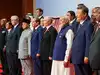
BRICS 2026: India cracks the code in a divided room with 4 AM talks & diplomatic heavy lifting
Prime Minister Narendra Modi helped broker a unanimous BRICS statement on the Middle East conflict despite sharp differences among members including Iran, Saudi Arabia and the UAE. After negotiations lasting into the early morning, the bloc called for maximum restraint and expressed concern over attacks on civilian and nuclear infrastructure.
US companies get creative as tariff refunds start flowing in
In the wake of US Supreme Court's ruling against import tariffs, US businesses are reaping the rewards with refunds. They're channeling these funds into rising operational costs and bolstering employee retirement plans. Some are even extending their financial relief to vendors. Consumer companies are seizing the chance to offer more affordable products and discounts, providing much-needed support to cost-sensitive consumers during this period.

EU dropped aluminium scrap duty plan over India concerns, sources say
The European Union has dropped a proposed export duty on aluminum scrap. This decision was made to avoid complicating a free trade agreement with India. The EU will now use environmental rules to manage scrap exports instead of the levy. This reversal follows internal negotiations and pressure from India. The EU aims to finalize its trade deal with India in December.

US Treasury's Bessent faces G20 diplomacy test amid tariffs, Iran war, bond turmoil
US Treasury Secretary Scott Bessent will push G20 economies to reduce trade imbalances, boost growth and cut ties with Iran at meetings in North Carolina. The talks come amid tariff tensions, high energy prices and growing concerns over US debt, which recently crossed $40 trillion.
Cross-Border Shockwaves: How fresh 50% Canada tariffs will hit American wallets
Trade talks between Washington and Ottawa have suddenly collapsed, imposing significant import tariffs. American consumers now face higher prices on various everyday items and spirits. Sports equipment and niche machinery imports are also experiencing substantial cost increases. Grocery shoppers will notice inflation on dairy and agricultural products. Canada has responded with retaliatory measures, freezing regional trade.
Trump wants more economic pressure on Iran. What are his options?
The United States plans to impose severe economic measures on Iran soon. Washington is considering sanctions on Chinese refiners and banks that aid Tehran. The administration may also target entities helping Iran evade existing sanctions. A land blockade is another potential strategy to increase pressure on Iran.

Trump hints at no extra levy on India for Russian oil buy
President Trump hinted the US might forgo secondary tariffs on nations, including India, still buying Russian oil, despite concerns such tariffs could severely impact them. He acknowledged India's reduced oil purchases from Russia, while noting China's continued significant intake. Treasury Secretary Bessent previously suggested secondary sanctions were possible if the Trump-Putin summit yielded unfavourable results.
Put up or shut up: US warns Europe on China tariffs, hints at higher India duties over Russian oil
US Treasury Secretary Scott Bessent has urged European nations to support steep tariffs on Chinese goods, expressing disappointment at their tepid response to the idea. Bessent also signaled that India could face higher duties over its purchases of Russian oil, with potential sanctions or secondary tariffs increasing if a meeting between Presidents Trump and Putin doesn't yield favorable results.

India unfazed by Trump's secondary tariff threats: Hardeep Singh Puri on threat to Russian oil imports
Hardeep Singh Puri stated India is not worried about potential US sanctions. He believes oil markets are well-supplied and prices will decrease. India is diversifying its oil sources, including purchases from Argentina and Brazil. This comes after the US threatened tariffs on Russian imports and countries trading with Russia if a peace deal isn't reached.
NATO chief warns India, China & Brazil could be hit ‘very hard’ by sanctions if they continue to do business with Russia
NATO Secretary General Mark Rutte on Tuesday cautioned that secondary sanctions on Russia could significantly affect major economies such as India, China, and Brazil. His remarks, quoted by Reuters, underscore concerns about the global fallout from escalating measures aimed at curbing Russia’s economic ties amid the ongoing war in Ukraine.

Oil executives brush aside Trump’s tariff threat on Russian crude
Indian refinery executives believe Donald Trump's threat of tariffs on Russia is a negotiation strategy. They anticipate minimal impact on global oil markets or India's Russian crude imports. Experts suggest the oil market reaction has been muted. A 100% tariff could disrupt energy trade and raise global inflation. India and China are top buyers of Russian oil.

Trump’s threat of ‘secondary tariffs’ invents new trade weapon
US President Donald Trump has introduced 'secondary tariffs' to target countries, mainly China, buying oil from Venezuela. These 25% tariffs aim to further isolate Venezuela, under US sanctions. The move seeks to leverage America's economic power in foreign policy, potentially escalating tensions and impacting trade with the nations involved.
Load More