
SEABIRDS
Around 2,000 seabirds have washed ashore in California. Is intense El Niño reshaping marine life along the Pacific Coast?
Pacific Wildlife Care is treating an unprecedented number of seabirds suffering from starvation this year. The increase is attributed to climate change and the El Niño phenomenon, leading to warmer ocean temperatures. Many seabirds, particularly common murres, are arriving in poor condition and need medical assistance. A significant number of dead seabirds have been found along California beaches this autumn.
Goodbye to sunrise for 4 months: Scientists are living on Arctic ice to discover what lives beneath it; you won't believe what they saw
A team of twelve ambitious researchers is embarking on a remarkable four-month journey into the depths of the Arctic, devoid of sunlight. Their mission focuses on studying resilient marine organisms that thrive in perpetual darkness and freezing temperatures. The Tara Polar Station, drifting alongside sea ice, provides them with a unique vantage point to explore the frigid ocean ecosystem.

"Sink the idea": Mumbai sweats over a sea plan that intitially made waves but is now causing ripples of worry
Light pollution is already recognised as a global environmental and public health concern. Research has linked artificial light to sleep disturbances, mood disorders and higher risks of obesity and cardiovascular diseases in humans. It can also alter plant growth and interfere with animals' natural behaviour and ecological relationships.
Hawaii’s abandoned fishing nets once trapped marine life; now they are being turned into electricity
Since 1996, Hawaii has successfully collected 848 metric tons of abandoned fishing nets, significantly reducing marine pollution. These nets are skillfully processed at an energy plant, transforming waste into usable electricity. This innovative initiative, supported by collaboration among government and fishermen, not only cleans our oceans but also promotes renewable energy. Moving forward, it is essential to focus on preventing marine debris and improving waste management practices.
In 2020, Virginia created temporary seabird nesting habitat at Fort Wool and nearby barges; by 2021, royal tern nests there numbered up to 6,283
South Island, once a vital breeding ground for seabirds, suffered degradation due to construction activities. In a remarkable turn of events, Fort Wool was repurposed into a temporary haven for these birds. They adapted swiftly, leading to the establishment of thousands of nests and successful chick rearing. This project exemplifies how habitat restoration can thrive even amid development, offering a promising blueprint for future coastal conservation efforts facing habitat decline.
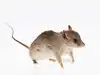
In 2002, black rats were eradicated from Hawaii's Mokoliʻi islet; after just one shearwater chick survived from 1999 to 2001, 126 fledged in 2002 and 185 in 2003
Mokoliʻi was once severely impacted by invasive black rats, which posed major risks to seabird species. In 2002, after dedicated conservation measures led to the removal of these rats, the island saw a stunning revival in wedge-tailed shearwater chick fledging. This successful effort also revitalized the island's native coastal vegetation and supported a diverse range of wildlife, showcasing the critical role of invasive species management in ecological recovery.
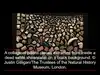
894 pieces of plastic were found inside one seabird. The bigger warning came from what happened next, the finding has researchers deeply concerned about the ocean
A recent study revealed that sable shearwater chicks on Lord Howe Island are ingesting alarming amounts of plastic. Researchers recorded a chick with 894 plastic items in its stomach, highlighting a significant increase in pollution. This increase in plastic ingestion from 2023 to 2026 shows the worsening state of ocean pollution. Parents unknowingly feed plastic waste to their chicks, mistaking it for food.
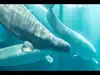
Whales survived brink of extinction in 19th and 20th centuries but then comes the biggest mystery yet to be solved
Carcasses have been washing ashore around the gulf city of Puerto Madryn, including near the central waterfront where they alarm residents and tourists.
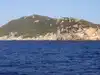
Italy eradicated black rats from Zannone in 2007; nine years later, Scopoli's shearwater nesting pairs had nearly tripled from 27 to 80 on the Mediterranean island
Zannone, a volcanic island near Rome, successfully removed black rats that threatened local seabird populations. Conservationists undertook this effort in 2007 and led to a notable rise in Scopoli's shearwater numbers. Their breeding pairs increased from 27 to 80, showcasing the impact of eradicating invasive species. Despite this success, the ongoing threat of new rat introductions remains a concern.
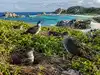
On rat-free D’Arros Island, scientists counted 2,768 wedge-tailed shearwater pairs in 2016, nearly 10 times the 2009 estimate
D'Arros Island in Seychelles has witnessed a remarkable revival of wedge-tailed shearwaters after the successful elimination of invasive rats. From just around 250 breeding pairs in 2009, the population surged to nearly 2,800 pairs by 2021. Researchers emphasize that seabirds are vital for nutrient cycling in ecosystems, yet questions surrounding their ecological impacts and future challenges persist.
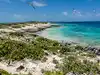
After Klein Curaçao removed goats and feral cats and restored habitat, nesting birds climbed from 140 pairs of one species in 2002 to around 650 across multiple species in 2022 as eight more species began breeding
Klein Curaçao experienced a significant increase in seabird populations after removing invasive goats and cats. The island went from a few breeding pairs to over 650 in just two decades. This recovery highlights the effectiveness of invasive species eradication as a conservation strategy. However, uncontrolled human traffic poses ongoing threats to the island’s ecosystem. Protecting the habitat is essential to maintain the progress made in seabird recovery.
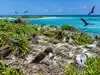
After invasive rodents were cleared from Surprise Island in 2005, three monitored seabird populations grew two to tenfold in the years that followed
Following the eradication of invasive rats in 2005, Surprise Island in New Caledonia witnessed remarkable growth in its seabird populations. Over a sixteen-year research period, scientists documented significant increases in breeding pairs across three of the seven seabird species. This case emphasizes how crucial it is to remove invasive species for effective conservation efforts, reminding us to remain patient as ecosystems heal over time.
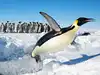
Since 2014, 49,520 registered volunteers have classified penguins, chicks, and eggs in Antarctic photos; more than 6 million classifications helped build a colony dataset
The Penguin Watch initiative witnessed enthusiastic participation from citizen scientists who contributed to penguin counting efforts in Antarctica. By scrutinizing vast amounts of imagery, volunteers played a critical role in helping researchers obtain essential data regarding penguin populations and their reaction to ecological threats. This unique blend of public engagement and scientific inquiry not only supports traditional counting methods but also emphasizes the valuable role of community in wildlife conservation.
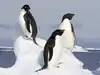
In 2018, NASA satellite images of penguin guano sent researchers to Antarctica's Danger Islands, where they found more than 1.5 million Adélie penguins
In December 2015, scientists found a massive colony of over 1.5 million Adélie penguins on the Danger Islands. This discovery was made possible through analysis of satellite images showing penguin droppings as large pink stains. They verified the count by conducting on-site observations and using drones to photograph the area. Unlike declining populations elsewhere, this colony benefited from a stable environment in the eastern Antarctic Peninsula.
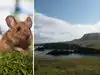
In the 1700s, a shipwreck brought hundreds of rats to an Alaskan island. 11 years after scientists removed them in 2008, seabirds returned and the ecosystem was recovered
Alaska’s Hawadax Island, formerly called Rat Island, has undergone a striking ecological transformation since invasive rats were eradicated in 2008. The rodents had reached the island following an 18th-century shipwreck and disturbed its ecosystem for hundreds of years. Eleven years after their removal, native seabirds began returning, shoreline grazers fell in number and kelp forests started recovering. Researchers say the island’s revival demonstrates how eliminating invasive species can help restore ecosystems damaged over time.
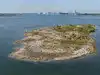
Savannah turned 160,000 cubic yards of mud removed from its harbor into an 8-acre island; birds built more than 300 nests there in the first season
Nestled in Georgia, a harbor island crafted from dredged mud has become a refuge for over 300 bird families. This artificial sanctuary serves as a critical nesting area for shorebirds, compensating for the loss of their natural coastal habitats. Although these islands play a vital role in avian conservation, they demand continuous upkeep.
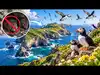
In 2002, crews removed rats from California’s Anacapa Island; 10 years later, rare seabirds were returning and the island’s ecosystem was recovering
Anacapa Island shows significant seabird recovery ten years after rat removal. Ashy storm-petrels now nest there, and Cassin's auklets have expanded their territories. Scripps's murrelet nests have quadrupled, with a fifty percent increase in hatched eggs. Rats previously threatened critical breeding habitats and consumed many eggs. This successful project demonstrates a valuable conservation tool for global island restoration.
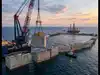
Since 2025, Belgium installed 23 concrete blocks weighing 22,000 tonnes each in the North Sea; together, they now form the walls of a new artificial energy island
Belgium is turning a huge offshore construction project into reality. Since 2025, workers have installed 23 massive concrete blocks in the North Sea. Each block weighs about 22,000 tonnes, making the scale of the project hard to grasp. Together, the blocks form the protective walls of a new artificial energy island. The island is designed to become a key link in Belgium’s growing offshore renewable-energy network, helping connect future wind power to the electricity grid on land.
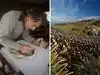
In 1972, English photographer bought a remote island in south Atlantic Ocean with rats. Today, 2 million seabird pairs and 5 penguin species call it home
In 1972, English naturalist and photographer Ian Strange bought New Island in the Falklands with Roddy Napier, finding it overgrazed and affected by introduced rats, rabbits and pigs. Strange transformed its future by promoting conservation, research and wildlife tourism. Today, the island is a Nature Reserve and Important Bird Area, home to 2 million breeding pairs of thin-billed prions, five penguin species and the world's largest striated caracara population.
Load More


