
SALT MARSH VEGETATION
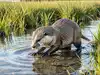
Sea otters reduce erosion of California’s coastal wetlands by 69%, says study
California's sea otters are preserving wetlands in Elkhorn Slough of Monterey County. They have decreased the rate of erosion on tidal creeks and salt marshes. The areas with high sea otter numbers have seen an average decrease in the rate of erosion of 69%, a study published in Nature said.

Connecticut restored 34 acres of damaged salt marsh in 2022; two years later, native grasses were thriving, and shorebirds were nesting on newly built mounds
A major salt marsh restoration project at Great Meadows Marsh in Connecticut is showing promising results for coastal wildlife and biodiversity. After a $4.65 million rehabilitation effort, the 34-acre wetland has seen the return of endangered saltmarsh sparrows and the growth of native marsh plants. The project highlights how wetland restoration, coastal conservation and habitat recovery can protect biodiversity, reduce flood risks and create healthier ecosystems amid rising sea levels.
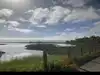
California used more than 2.5 million cubic yards of dredged material to rebuild Sonoma Baylands; The project restored 322 acres of tidal wetland habitat
The Sonoma Baylands initiative has harnessed dredged materials to rejuvenate California's tidal wetland habitats. Each year, excessive sediment is extracted to sustain navigation channels. With innovative engineering, previously subsided agricultural land has been raised to promote rapid growth of tidal marsh flora. This thriving restoration project not only fosters critical habitats for various species, including endangered ones, but also exemplifies a successful integration of sediment management and coastal ecosystem rehabilitation.
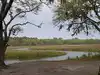
In 2019, Georgia placed 5,000 cubic yards of dredged sediment on a 5-acre salt marsh; six years later, it remained about 12 cm higher, with plant growth similar to nearby marshes
Wetlands serve as vital buffers in coastal regions, adeptly mitigating storm impacts while also acting as natural filters for pollutants. A recent initiative on Jekyll Island explored the advantages of sediment nourishment for restoring marshlands. Remarkably, over six years, the project elevated marsh height by 12 cm. This promising approach not only shields wetlands from rising sea levels but also boosts biodiversity and overall environmental integrity.
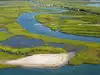
In 2014, New Jersey reused 7,000 cubic yards of dredged sand at Ring Island; the new nesting ground was later used by 4 threatened or at-risk shorebird species
New Jersey has implemented an innovative project to support nesting birds facing habitat loss due to rising sea levels. Sand dredged from waterways was used to raise the ground on Ring Island for bird nesting. Species such as black skimmers and least terns have begun to return to these created habitats after several years. Ongoing maintenance is required to ensure these habitats remain suitable for the birds.

In 2015, New Jersey pumped 30,000 cubic yards of dredged mud into a breach splitting Mordecai Island; the project rejoined the island and rebuilt nesting habitat
Mordecai Island in New Jersey has faced significant erosion, losing half of its land over the past century. To combat this, engineers introduced dredged sediment in 2015, boosting the island's elevation and benefiting nesting birds. Research conducted between 2017 and 2019 indicated that the island remained stable, despite concerns over sediment movement. It plays a crucial role in absorbing wave energy, essential for coastal defense.
- Go To Page 1
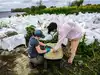
New Orleans is turning discarded bottles into coastal sand. Crushed glass is now helping rebuild shrinking wetlands
New Orleans is using crushed glass to build new islands and strengthen wetlands. This innovative approach tackles waste and coastal erosion simultaneously. Researchers are testing recycled glass sand's effectiveness in supporting plant growth. The project aims to restore vital coastal ecosystems and habitats. This method offers a potential blueprint for other vulnerable coastal cities.
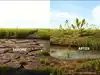
A New York City marsh was disappearing for decades; scientists added 20 inches of sand and watched what happened next
A salt marsh restoration experiment began at Big Egg Marsh in 2002. Scientists raised the marsh with sand and planted thousands of cordgrass seedlings. Early monitoring showed significant vegetation growth and marsh health two years later. Researchers returned in 2021 to assess the long-term success of the restoration. This project highlights the importance of sustained observation for coastal ecosystem recovery.
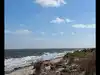
In recent years, workers began restoring 4,000 acres at Delaware's Prime Hook National Wildlife Refuge. Today, new dunes stand nearly 10 feet high as grasses thrive and wildlife returns
Scientists are bringing a damaged delaware wetland back to life begins with a massive repair effort at Prime Hook National Wildlife Refuge. The $38 million project is restoring about 4,000 acres of damaged coastal wetlands. Crews rebuilt two miles of beach and barrier dune after major storms. They also created 25 miles of channels to restore natural tidal flows. The work could offer lessons for vulnerable U.S. coastlines.
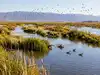
In 2015, Cullinan Ranch crews breached levees, bringing tidal flows back to 1,200 acres. 11 years later, migratory birds and fish now use the restored Napa River habitat in California
Tidal marshes are valuable coastal wetlands that support wildlife, protect shorelines, filter polluted water and provide other ecosystem services. Yet these habitats have been extensively altered by development, farming and other human activities. Restoration projects at Cullinan Ranch and Dotson Family Marsh in the San Francisco Bay area are helping reconnect wetlands with tidal waters and improve habitat conditions. Supported by a 2010 Natural Resource Damage Assessment and Restoration settlement, the projects address environmental injuries associated with wastewater contamination at Castro Cove.
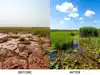
In 2014, East Bay Regional Park District began restoring Dotson Family Marsh, creating channels that reconnected it to the San Francisco Bay. 6 years later, tidal wetlands had returned
History of Dotson Family Marsh helps explain why its recovery matters. The broader 150-acre property was acquired by the East Bay Regional Park District in 2008, following a long community effort to protect the land from development.

Why elephants are considered as engines of economic revival in monsoon land
Lakshmi stands serene as elephants pour water over her. Water is not merely a decorative motif; it symbolises the monsoon. The elephants represent the return of movement, the restoration of economic life. The image is a visual metaphor: prosperity arrives when you have the strength and capability to navigate the monsoon of life, to rebuild paths and to reconnect markets. The elephants are not servants; they are partners in wealth creation.

Decoding the world of salts: A guide to elevating your culinary experience
Melissa Clark's exploration takes us through the history of salt, emphasizing its cultural and culinary significance. Understanding the unique characteristics of different salts, such as kosher salt, common sea salt, and traditional sea salts like fleur de sel and sel gris, provides insight into their applications in cooking.

Travel Diaries: 36 Hours on Martha's Vineyard, Massachusetts
Despite the stereotypes, the Vineyard's many cultures - African American, Brazilian, Jamaican and islanders that go back dozens of generations or far more, including Native Americans - have come to redefine this longtime summer destination as a place of community and joy.
Marine reserves can help mitigate climate change effects
San Francisco, June 9 (IANS) An international research team has evaluated 145 peer-reviewed studies and concluded that "highly protected" marine reserves can help mitigate the effects of climate change.
Load More

