
REFRIGERATION CYBERATTACKS

German watchdog warns some cooling systems remain vulnerable to hacking
Hacking attacks on European supermarkets spread across the continent last week, hitting fridges and freezers from Sweden to Belgium and forcing stores to throw away food in an incident that echoed a similar attack in France last month.

After fridge hacks, home appliances could be next, warns EU cyber chief
Supermarkets in at least 12 European countries were hit by cyberattacks in October and November, with France the worst affected.
French officials accuse Iran of being behind refrigerator hacks
French officials have attributed the October cyberattacks on supermarket refrigerators to Iran's Revolutionary Guards. As a result of these attacks, harsh consequences for Iran may follow, including further EU sanctions. The cyber incident impacted hundreds of supermarkets and resulted in significant financial losses nationwide. Investigations are ongoing into similar incidents affecting installations in the United States and Europe.
Kremlin denies Russia role in fridge cyber attacks
The Kremlin has denied accusations of being behind recent cyberattacks on supermarket refrigeration systems across Europe. Grocery stores in numerous European countries experienced significant issues with fridge temperatures, leading to massive food wastage. European Union officials have suggested that these attacks may be a deliberate attempt to disrupt food supplies. This accusation follows increased concerns regarding Russian cyber activities since the ongoing conflict in Ukraine began.

EU Transport Commissioner activates security protocols after flight bomb threats; says "too early" to establish links
European Union Transport Commissioner Apostolos Tzitzikostas expressed concern over recent hoax bomb threats affecting flights in Europe. Many budget airlines were targeted, with investigations ongoing to determine the source of the threats. Multiple countries reported threats that prompted increased security measures and emergency landings. All affected flights were able to land safely after thorough inspections confirmed no explosives were present.

After freezer attacks and fake nuclear alerts, Europe hit by wave of bomb threats targeting flights: Which flights were affected and who's behind it?
In light of recent bomb threats troubling various European nations, numerous airlines including Ryanair, Wizz Air, and Finnair were forced to reroute flights and implement military escorts. Authorities found that the threats were ultimately empty, but heightened vigilance remains with ongoing cyberattacks and drone activity demanding attention. Governments are now urging citizens to stockpile emergency supplies as a precautionary measure amidst these escalated security challenges.
- Go To Page 1
AI sharpens cat-and-mouse hacking battle as companies strengthen defences
From hacked supermarket fridges and a record cryptocurrency theft at Binance to an emergency over flaws in widely used web software, companies worldwide are facing a wave of cyber threats executives say AI is accelerating

AI turns cyber threat into boardroom crisis
In India, State Bank of India disclosed that 375,000 customer records had been leaked on the dark web, while vulnerabilities in eMudhra’s digital certificate keys exposed websites to potential attacks.

Premji's deeptech bets; Razorpay gets IPO nod
Happy Thursday! Premji Invest is stepping up its bets on defence and aerospace manufacturing.This and more in today’s ETtech Morning Dispatch.

India’s cooling systems face Europe-style cyber risks, say experts
The concerns follow cyberattacks on supermarket refrigeration systems across Europe, with stores in Sweden, Belgium, Estonia, the Netherlands, Finland and Luxembourg reporting disruptions. Attackers reportedly manipulated refrigeration controls, raising freezer temperatures and switching equipment into defrost mode, forcing stores to discard food stocks. The incidents follow similar attacks on hundreds of supermarkets in France in October.
Are Russia, China, Iran planning to carry out large scale cyberattacks bigger than Europe supermarket fridges hacking? Top Britain official reveals shocking details
Moscow, Beijing and Tehran have all repeatedly denied similar accusations of malevolent cyber actions in the past.

Italy says cyberattack on supermarket fridges had limited impact
A hacking attack on Monday hit fridges and freezers from Sweden to Belgium, forcing stores to throw away food in an incident that echoed a similar attack in France last month.
Hackers are targeting something the world can't do without: Food
A series of cyberattacks have affected supermarket refrigeration systems in multiple European countries, leading to food spoilage. These attacks, described as deliberate attempts to disrupt the food supply chain, raised concerns among retailers and consumers alike. Various security vulnerabilities in connected refrigerated systems have been exploited, underscoring the need for better cybersecurity measures. No group has claimed responsibility for the attacks; however, state backing is being investigated.

Why are supermarket fridges connected to the internet, and how are hackers exploiting them?
Recent cyberattacks on supermarket refrigeration systems in Belgium and France have exposed significant vulnerabilities. Around 40 Delhaize supermarkets and several others lost food worth about €100,000 due to the incidents. Researchers found nearly 13,000 vulnerable refrigeration management services accessible online across various countries. Many of these systems have outdated security measures, which increases the risks of unauthorized access.

UK cyber chief says the UK will face AI cyberattacks on critical infrastructure by 2028
The UK's National Cyber Security Center warns of potential AI-driven cyberattacks targeting critical infrastructure by 2028. Increased sophistication in cyber activities from states like China and Russia poses significant risks. Past incidents highlight vulnerabilities in key sectors such as manufacturing and energy. Organizations must invest in cybersecurity measures to protect against these emerging threats. Failure to act could jeopardize essential services and compromise national security.

IKEA store in Belgium hit by fridge cyberattack; refrigeration systems impacted as supermarkets across Europe face issues
IKEA's store in Mons experienced temperature rises in refrigeration systems due to a cyberattack. Several European supermarkets, including Carrefour and Coop, also reported similar issues affecting their refrigeration control systems. A broader cyberattack targeted grocery retailers across Belgium, Estonia, Finland, Luxembourg, and Sweden, leading to food waste concerns. Investigations are ongoing regarding the causes and potential future impacts on food supplies.
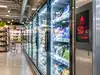
Europe under cyberattack: Who is behind the supermarket fridge hacks? Sweden, Belgium, Luxembourg and Estonia hit as attacks follow the same pattern seen in France
Europe is facing a fresh wave of supermarket cyberattacks, with Sweden, Belgium, Luxembourg and Estonia reporting problems with their refrigerators and freezers. The incidents follow a similar attack in France last month. But investigators have yet to identify who is behind the attacks or whether all cases are connected.

'New Cold War'? Supermarket freezers hacked in six European countries, food worth millions spoiled. Who's behind it?
A wave of cyberattacks has struck supermarket refrigeration systems across several European nations, including Belgium, Sweden, Luxembourg, and Estonia, raising serious food safety alarms. These breaches allowed unauthorized access to cooling units, causing hazardous temperature increases that threaten product integrity. Experts are voicing concerns about the rising risks associated with connected technologies, while investigators work diligently to pinpoint the perpetrators and safeguard against future breaches.

Smart fridge, security camera, video doorbell, router, car, thermostat: Everyday devices hackers can exploit and how to protect them
Cyberattacks involving supermarket refrigerators and freezers have raised concerns about the security of everyday internet-connected devices. From smart appliances and security cameras to routers, thermostats and connected cars, several products could be vulnerable to hacking. Here is what cybercriminals could do after accessing these devices and the precautions users can take to protect themselves.

'Trust us when we say...': US military bases hit by mysterious freezer failures as Pentagon probes possible link to French supermarket cyberattacks
Military commissary refrigeration cyberattack probe: The Pentagon is investigating a series of unusual freezer malfunctions at US military commissaries after food worth thousands of dollars spoiled at multiple bases in August 2026. Investigators are examining whether the incidents were caused by a coordinated cyberattack, particularly after similar attacks targeted French supermarkets in October this year.
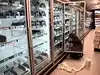
Sweden's cybersecurity centre working on freezer incidents at several grocery stores
The temperature of freezers at several Swedish grocery stores rose sharply overnight, operators ICA and Coop said on Monday, with at least one store blaming the incident on a cyberattack.
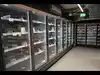
Are your freezers safe? Military commissary refrigeration cyberattack probe, French supermarkets systems crash raise fears
Cyberattack latest: Refrigeration plays a critical role in the distribution of fresh food and the sabotage of cold storage facilities over the internet has long been seen as a nightmare scenario, alongside the loss of electricity or water plants.

Pentagon investigates suspected cyberattacks: Did hackers trigger freezer failures at US military bases and put food supplies at risk?
The Pentagon is investigating whether hackers caused refrigeration failures at US military stores in August, spoiling food across at least six bases. Similar incidents hit hundreds of French supermarkets in October. Investigators are examining possible links, including refrigeration control systems and reported software vulnerabilities. However, officials haven't confirmed a cyberattack or established whether the US and French cases share a cause.
Pentagon treating military base freezer malfunctions as suspected cyberattack, officials say
In August, military commissaries in the United States experienced freezer malfunctions that resulted in significant food spoilage. Investigators are exploring these incidents as possible cyberattacks, with updates being shared with French counterparts. A similar attack in France impacted hundreds of commercial freezers, causing significant financial losses. The vulnerability of refrigeration systems to cyber threats poses risks to food safety and supply chains.
Days before US unveiled 90-day military readiness plan, mysterious freezer malfunctions hit bases. What we know
Investigators are investigating recent freezer failures at US military commissaries that may have resulted from cyberattacks, raising concerns about food safety. In France, similar issues involved the deliberate alteration of refrigeration temperatures, leading to food spoilage. The US military is consulting with French authorities about these strange events as they might be connected.

Pentagon treating military base freezer malfunctions as suspected cyberattack
The Pentagon is treating the spate of mysterious freezer malfunctions that spoiled food at military bases across the United States in August as a suspected hack, according to four officials familiar with the matter.

UK Emergency Alert: Why Andy Burnham's govt is asking people to store food, keep cash at home & prepare for 3 days without essential services
The UK government has launched a three-year 'Be Ready' campaign urging households to prepare for emergencies such as extreme weather, wildfires and cyberattacks. The guidance advises Britons to keep three days' worth of essential supplies, including bottled water, non-perishable food, cash, a torch, spare batteries and a radio, in case essential services are disrupted.

Bottled water, tinned food, radio, cash: UK tells Britons to prepare for emergency
UK Prime Minister Andy Burnham has launched the 'Be Ready' initiative, encouraging households to prepare for emergencies. The initiative recommends keeping essential supplies to last for three days during disruptions. Households are advised to have sufficient food, water, hygiene products, and medical supplies prepared. This campaign responds to concerns regarding extreme weather events and cybersecurity threats affecting essential services.

Don't panic: UK govt tells Britons to 'be ready' for emergencies
UK leader Andy Burnham emphasized the need for better emergency preparedness for citizens during a wildfire summit. The new 'Be Ready' campaign encourages households to stockpile essential supplies for unexpected disruptions. This initiative aligns with ongoing concerns regarding food security and recent cyberattacks impacting major supermarket chains. Burnham's statements follow the approval of controversial drilling plans in a North Sea gas field.
Load More

