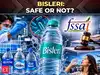
RAILWAY STATION DRINKING WATER CONTAMINATION

Breakthrough in Rishikesh-Karnaprayag project: Railways tackles one of its toughest Himalayan stretches; how close is the 125-km line to becoming operational?
Rishikesh-Karnaprayag project: Indian Railways has achieved a major breakthrough in the 6.59-km-long Tunnel-14 of the Rishikesh-Karnaprayag railway project in Uttarakhand's Rudraprayag district. The milestone connects two excavated sections of the tunnel and marks significant progress in the 125-km project. Railway Minister Ashwini Vaishnaw has highlighted the project's engineering challenges, strategic importance and potential to boost pilgrimage tourism and regional connectivity.

Bisleri cites independent lab tests to dispute FSSAI findings in Bengal case
Bisleri International has disputed regulatory findings by FSSAI regarding its water sample quality from West Bengal. While FSSAI found coliform bacteria and sanctioned prosecution, independent tests showed compliance with safety standards. The company recalled the affected batch but urged FSSAI to investigate discrepancies between findings. This case comes after a similar issue in Goa involving bromate levels. FSSAI has intensified surveillance of packaged drinking water manufacturers across the country.

FSSAI finds second Bisleri water sample unsafe, asks firm to stop batch sale: Report
Indian authorities have identified unsafe levels of coliform bacteria in a batch of Bisleri water. Following this finding, Bisleri has recalled the affected batch per government instructions. The company claims independent tests show their water meets safety standards. The Food Safety and Standards Authority of India plans further testing on bottled water companies. Bisleri continues to work with regulators to clarify the discrepancies in test results.
Iowa lead azide detonation raises health concerns: What are the dangers of lead exposure as EPA awaits test results?
Concerns have been raised following the detonation of lead-based explosives at the Iowa Army Ammunition Plant, igniting fears of potential contamination. The US Environmental Protection Agency has undertaken thorough testing of both airborne and environmental lead levels in the aftermath. While no airborne lead has been identified, results for other environmental samples are still awaited.
Bisleri in fresh trouble after FSSAI finds bacteria in West Bengal sample
Food regulator FSSAI has taken legal action against Bisleri International for unsafe drinking water samples collected from its plants. The West Bengal facility tested positive for coliform bacteria, which can contaminate water supplies. This marks the second prosecution instance this week as an earlier Goa sample was also deemed unsafe. FSSAI is intensifying scrutiny of packaged drinking water across the country to ensure compliance with safety standards.
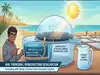
Meet Ahil Thendral, a high school student who used hemp, coconut coir and intercalated activated carbon to build a solar-powered desalination device designed to produce 4.3 litres of potential drinking water daily
Solar-powered desalination device: Using hemp, coconut coir and activated carbon, high school student Ahil Thendral has developed a solar-powered device that could make desalination less energy-intensive. Due to limited access to drinking water in his grandfather’s village, he built a small-scale prototype capable of producing 4.3 litres of potential drinking water a day from seven litres of water.
- Go To Page 1
Govt orders tougher surveillance of packaged water, scrutiny set to cover PepsiCo, Coca-Cola
India's food regulator has issued a directive to strengthen oversight and surveillance of the packaged water industry. The decision follows reports of unsafe conditions in Bisleri, the top bottled water brand. State officials are instructed to conduct routine inspections and enforce compliance for safe drinking water. Bisleri is facing prosecution for violations of food safety laws and the scrutiny will extend to other major brands.

What is norovirus? Princess Cruises ship docks in Florida after outbreak sickens over 268 passengers and crew members
A norovirus outbreak affected 268 travelers and crew members aboard the Caribbean Princess during a 12-night cruise. The ship returned to Port Everglades in Fort Lauderdale after a trip to the Caribbean. Increased sanitation efforts were implemented after federal health officials were notified of the outbreak. Symptoms included vomiting, diarrhea, and stomach pain, which became evident 12 to 48 hours after infection.
FSSAI to complete nationwide packaged water safety tests in 1-2 months
In a proactive move, the FSSAI is carrying out laboratory tests on bottled water samples to ensure they meet safety standards. This follows alarming reports of a Bisleri batch surpassing bromate limits and containing hazardous substances. Legal actions against Bisleri are being initiated based on insights gained from their Goa operations.
FSSAI collects packaged drinking water samples for quality checks; action not for creating panic: CEO
FSSAI is conducting nationwide sampling and quality checks of packaged drinking water, with laboratory results expected in one to two months, CEO Rajit Punhani said. The drive follows a failed Bisleri sample that led to prosecution being sanctioned. The regulator said its enforcement measures aim to ensure compliance, not create panic.

Iowa blast: What to do if it ‘rains lead’? From baby wipes to keeping dogs indoors, here's how to stay safe
Residents in Iowa are worried about the potential spread of lead dust from an upcoming explosion. Health authorities recommend staying indoors and taking precautions to avoid contamination. Pets and livestock should also be kept indoors to prevent exposure during this period. The International Society for Environmentally Acquired Illness advises residents to consider lead testing before and after the detonation.

FSSAI tells states to step up sampling, enforcement against packaged water firms
FSSAI has directed state authorities to enhance monitoring of packaged drinking water for quality compliance. The recent regulatory action followed concerns regarding Bisleri International's packaged drinking water quality. Authorities must conduct inspections and maintain detailed records of sample testing. FSSAI emphasizes the importance of adhering to the FSS Act to ensure food safety. Bisleri International has claimed that their product is safe and will work with regulators.
FSSAI on pan-India enforcement drive on packaged drinking water, lab test to take 1-2 months: CEO
FSSAI is collecting samples of packaged drinking water from across India, with laboratory testing expected to be completed within one to two months, CEO Rajit Punhani said on Wednesday. The regulator will also begin inspecting food packaging materials to ensure they meet food-grade standards.

Vande Bharat train gets pranked while passing through Ahmedabad district, three minors aged 15 to 16 throw stones at windows for fun; RPF detains them
Four people, including three minors, have been detained after stones were thrown at the Vera-Sabarmati Vande Bharat Express near Ahmedabad on November 21. The incident follows three reported stone-pelting cases involving Vande Bharat trains near Surat since August, including one in which a windowpane was shattered.
FSSAI prohibited sale of only one Goa batch, no stocks in market: Bisleri
Bisleri International confirmed that the Food Safety and Standards Authority of India prohibited one batch of its water. This prohibition affects batch GO 270, manufactured in September 2025 at its Goa plant. Subsequent tests showed that bromate levels were within permissible limits after an appeal. The FSSAI found that five other water samples from the facility complied with safety standards.

No diversion of Koyna water, unnecessary controversy being created: Maharashtra CM Fadnavis
Chief Minister Devendra Fadnavis addressed discussions regarding diverting westward-flowing Koyna water for Mumbai's drinking water supply. Currently, he stated there is no existing issue concerning this proposal. The Chief Minister emphasized that roughly 60 TMC of Koyna water flows unused into the sea after generating electricity. He assured that the interests of coastal Konkan will be evaluated during this plan's consideration.

7 years after pillars came up, Hyderabad's Malakpet Metro foot overbridge remains unfinished; why are commuters still waiting for a direct link to the railway station?
Hyderabad's proposed Malakpet Metro foot overbridge, intended to connect the Metro and railway stations, remains incomplete nearly seven years after pillars were erected. Pending Railway Board clearance, coordination issues and the absence of a completion timeline have left commuters taking longer routes. Residents are demanding faster action as the railway station undergoes redevelopment.
How to identify unsafe packaged drinking water: What to check before buying and simple tests to do at home
How to check your packaged drinking water for impurities: Following food safety action against Bisleri over a sample that reportedly failed laboratory testing, questions have emerged about how consumers can identify safe packaged drinking water. From checking FSSAI licence numbers and bottle seals to understanding TDS readings and laboratory tests, here are the precautions to take before buying bottled water.

FSSAI tests samples of major water brands, warns of action against violators
FSSAI has inspected major packaged drinking water brands, including Bisleri International, for compliance. They collected samples for lab testing, revealing violations of safety regulations. The authority declared some water unsafe due to bromate limits and contamination by polynuclear aromatic hydrocarbons. Bisleri International insists its water is safe but is cooperating with the investigation process.
Bisleri drinking water safe or not: FSSAI finds bromate level 20% above limit; what are the possible cancer risks? what consumers need to know
FSSAI has sanctioned prosecution against Bisleri International after a water sample from its Goa facility was declared unsafe following tests for bromate and PAHs. Bisleri says subsequent independent tests found bromate within limits. Here is how bromate can form in drinking water, why regulators set a limit and what is known about its health effects.
Bisleri says Goa water sample met safety limits in independent tests after FSSAI flags violations
Bisleri International said independent laboratory tests found bromate levels in a water sample collected from its Goa facility within prescribed limits, contesting FSSAI's findings that declared the sample unsafe. The regulator has sanctioned prosecution against the company after tests flagged bromate and polynuclear aromatic hydrocarbons (PAHs) in the sample.
FSSAI sanctions prosecution against Bisleri after water sample fails safety standards
The Food Safety and Standards Authority of India has taken action against Bisleri International for safety violations. A sample of its packaged drinking water was found unsafe due to high bromate levels. The presence of polycyclic aromatic hydrocarbons was also detected in the product. This action follows laboratory testing conducted on the company's premises for regulatory compliance. Bisleri International is now facing prosecution under the Food Safety and Standards Act.
FSSAI sanctions prosecution against Bisleri International over unsafe packaged water
The Food Safety and Standards Authority of India has sanctioned prosecution against Bisleri International for unsafe drinking water. This action highlights increased scrutiny of packaged drinking water manufacturers by food safety authorities. Inspections and testing have been intensified to ensure compliance with quality standards. The prosecution sanction is a step towards initiating legal proceedings, following violations of food safety norms.

Would have released water, but we don’t have, says CM Shivakumar
Karnataka Chief Minister DK Shivakumar stated that the state faces a severe water shortage. He emphasized the importance of prioritizing the needs of state farmers amid limited water resources. The Supreme Court recently dismissed Tamil Nadu's plea for additional Cauvery water allocations. While Karnataka struggles with its drinking water challenges, Tamil Nadu's demand for water remains unfulfilled. Shivakumar remains committed to advancing the Mekedatu balancing reservoir project in Kanakapura.

Woman almost got robbed after agreeing to give feedback; fake railway staff wearing ID card asks her to share OTP to submit review, flees after she threatens to call RPF
A woman has warned railway passengers about a suspected OTP scam after a man posing as railway staff allegedly asked her to share a bank-generated code under the pretext of collecting passenger feedback. She said she became suspicious after checking the message and threatened to call the Railway Protection Force (RPF), following which the man fled. Her account has triggered an online discussion about how such a scam could work.

‘If we have water, we will give’: DK Shivakumar on Cauvery dispute with Tamil Nadu
Karnataka Chief Minister D K Shivakumar remarked that the state cannot supply Cauvery water to Tamil Nadu currently. He emphasized that Karnataka is struggling to meet its own drinking water requirements. The Supreme Court dismissed Tamil Nadu's pleas for Karnataka to release additional water to them. The Chief Minister has pointed out the critical situation regarding water availability in the region.

Not green tea or lemon water: Tamannaah Bhatia’s fitness trainer shares 5 simple drinks for weight loss
Celebrity fitness trainer Siddhartha Singh, who worked with Tamannaah Bhatia, emphasised the importance of 5 low-calorie drinks to support weight loss efforts. Options like Diet Coke, buttermilk, black coffee, protein shakes, and plenty of water are great choices. Each drink offers unique health benefits and plays a vital role in managing calorie intake. Especially when dieting, adequate hydration is key to controlling hunger and maintaining a balanced lifestyle.
Load More