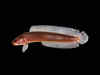
PREDATORY FISH

Rats are changing life underwater without entering the sea. A new study explains how
A 2026 study found that invasive rats on tropical islands are affecting marine life by destroying seabird colonies. Researchers discovered that coral reefs near rat-free islands have more tiny fish, while reefs near rat-infested islands have a greater proportion of crabs and other small invertebrates.
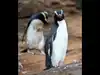
‘Schrödinger’s penguin’: Why one of New Zealand’s least-studied penguin species is disappearing from one island but stable on another just 130 miles away
A new study examining erect-crested penguins in New Zealand highlights stark differences in population trends on Bounty and Antipodes Islands. Bounty Islands have maintained stable numbers, whereas Antipodes Islands face a dramatic decline exceeding 40 percent. Contributing factors include predation and extreme weather conditions. These findings underscore the pressing need to re-evaluate the penguins' conservation status and implement effective protection measures for their dwindling populations.
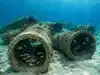
North Carolina dumped 7,200 tons of discarded concrete pipe onto bare ocean floor at AR-165; the reef later grew to include 3 retired tugboats for fish habitat
In North Carolina, marine biologists are transforming sunken tugboats and concrete pipes into artificial reefs, enhancing the habitat for numerous fish species. These initiatives not only boost marine biodiversity but also show that artificial reefs can effectively replicate natural ecosystems. Current research emphasizes the positive impact these structures can have on fish communities, offering a sustainable way to utilize discarded materials while supporting marine life.

In 2021, 654 volunteers began counting insect splats on cars across the UK; by 2024, the survey recorded a 62.5% drop
A concerning recent study has highlighted a staggering 62.5% decline in insect populations in the UK, drawing parallels with similar patterns in the US. Various environmental factors are implicated in this troubling trend, which jeopardizes crucial ecosystem roles like pollination and pest regulation. Meanwhile, freshwater insects have shown an encouraging increase, hinting at the benefits of clean-water policies.

In 2003, Florida's Manatee County acquired 482 acres of farmland for restoration. 5 years later, Robinson Preserve opened, and today 135 acres of coastal habitat are restored fueling $32.7 million in economic activity
At Robinson Preserve, restoration specialists designed protected water features that made it harder for larger predatory fish to reach juvenile fish. Strategic mangrove plantings and restricted-access water areas helped recreate conditions similar to natural coastal ponds and creeks.
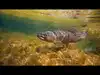
In 1990, Utah officials killed more than 99% of the fish in a 17,000-acre reservoir; years later, it became a top trout fishery
In 1990, Utah wildlife officials took the bold step of using rotenone to eradicate over ninety-nine percent of the fish biomass in the reservoir, which had suffered from invasive species. Once the chemical dissipated, millions of trout were restocked to manage the chub population. This restoration effort transformed the reservoir into a premier trout fishing spot, supplemented by fish traps and barriers to ward off future invasions.
- Go To Page 1

In 1905, Hawaii introduced mosquitofish to fight mosquitoes. More than 100 years later, the fish is threatening native wildlife
An invasive species, mosquitofish, introduced to Hawaii in 1905 poses a significant threat to the islands' native freshwater ecosystem. These aggressive fish not only prey on native damselflies but also compete with the unique gobies for essential food resources. Rapid reproduction and dietary adaptability exacerbate the situation. Conservation efforts are now aimed at safeguarding fragile habitats while raising awareness of the broader implications of invasive species.
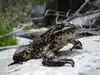
From 1877, officials stocked over 33 million fish in Yosemite for anglers, altering fishless lakes and reducing habitat for native yellow-legged frogs
Yosemite's lakes, once fishless, received over 33 million stocked fish between 1877 and 1990. Introduced trout preyed on native species and competed for food resources. This significantly reduced populations of Sierra Nevada yellow-legged frogs and aquatic invertebrates. Fish stocking ended in 1991, and restoration projects began removing non-native fish. These efforts aim to re-establish native species in selected fishless waters.
In 1969, California biologist Phil Pister carried endangered Owens pupfish across hazardous terrain in two buckets; in 2024, a seventh refuge population was established
In a dramatic rescue in 1969, biologist Phil Pister painstakingly transported the last of the Owens pupfish through challenging landscapes in two buckets as their habitat diminished. This crucial moment underscored the importance of personal conservation efforts ahead of formal federal protection. Fast forward decades later, the species clings to survival in dwindling desert pools, though hope flickers with the establishment of a seventh population.
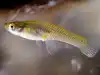
In 1922, California introduced mosquitofish to eat mosquito larvae; within four years, they were in 30 counties and were later linked to native-species declines
In 1922, California introduced mosquitofish in hopes of controlling mosquito populations. Although they were initially viewed as a solution, these fish have since become a threat to local biodiversity, preying on native species and disrupting ecosystems. Years of research have shown their limited effectiveness, prompting modern authorities to adopt integrated mosquito management strategies instead. This tale of mosquitofish illustrates the unforeseen ecological repercussions of introduced species.
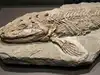
Scientists discover ancient Antarctic fish fossil with a perfectly preserved skull
A remarkable fish fossil from Antarctica offers a clear view of early evolution. Koharalepis jarviki, a 380-million-year-old specimen, reveals how ancient backboned creatures lived and hunted. Its preserved skull provides vital anatomical information. This discovery confirms ancient continental connections and broadens our understanding of vertebrate evolution. Advanced imaging techniques unlocked hidden details of its sensory systems and predatory behavior.
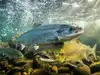
Cocaine pollution in rivers may be affecting salmon behaviour more than scientists expected
Research reveals cocaine and its metabolite, benzoylecgonine, significantly alter salmon behavior, causing increased travel distances and potential energy depletion. This disruption in individual fish can ripple through aquatic ecosystems, impacting predator-prey dynamics and overall biodiversity. The findings underscore the need for comprehensive environmental risk assessments that include drug breakdown products.
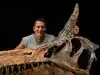
Hidden for millions of years, scientists identify a new dinosaur species deep in the Sahara
Paleontologists have discovered a new species of Spinosaurus, Spinosaurus mirabilis, in the remote Sahara Desert of Niger. Unlike other spinosaurs, this dinosaur lived deep inland, hundreds of kilometers from ancient coastlines. It had a striking scimitar-shaped skull crest, long interlocking teeth, and a semi-aquatic lifestyle, preying on fish in rivers. Measuring almost 40 feet long and weighing 5–7 tons, it roamed a forested habitat alongside long-necked dinosaurs.

Sri Lanka to ban predatory pet fish to protect ecosystems
Sri Lanka will ban four species of predatory ornamental fish including Piranhas that have escaped into rivers and lakes, devastating native species and threatening fragile freshwater ecosystems, the fisheries minister said Wednesday. Snakeheads, which can grow to over three feet (one metre), were rapidly multiplying in a lake in the northwestern part of the island, threatening the native species.

Fisherman pulled into sea by suspected marlin off Andhra coast; search underway
A fisherman, Chodapalli Yerayya, went missing off the Andhra coast after a black marlin pulled him into the sea. This incident follows a similar tragedy in 2022, where another fisherman was fatally impaled by a marlin. Authorities have launched search operations and are urging caution among fishermen using line bait techniques in deep waters.

NYT Strands Spangram, theme May 19, 2025: Hints, answers and complete guide
Each Strands puzzle revolves around its Spangram, the linchpin that connects the broader theme. It typically extends across the full width or height of the grid and reveals the overall concept.

Great white shark rescue: Father-son duo’s heroic act, with help from locals, saves shark on Australian coast
Great white sharks are one of the most deadly creatures known to mankind. They have the reputation of being the biggest predatory fishes. Sharks are generally known to rip their prey apart to pieces that can be swallowed as a whole.

This monster fish survives on land and has no natural hunters. Experts want it immediately killed if seen
The northern snakehead, an invasive fish native to Asia, is rapidly spreading across U.S. rivers and lakes, posing a major threat to native species. Known for its sharp teeth, aggressive behavior, and ability to breathe air and survive on land, the fish has been spotted in multiple states including Missouri and even New York City. Wildlife officials urge anglers to kill any snakehead they catch — simply putting it on ice won't work. The fish is known to reproduce quickly and fiercely guard its young, making spring a key season for sightings.

The Kramatorsk aquarium: A calm oasis on Ukraine front
Piranhas, known for their predatory disposition, can be found in the freshwaters of Brazil or Ukraine's Kramatorsk, mere kilometres from the front line with Russian forces. Dubinin gazed tenderly at his piranhas, impassive despite the sounds of war that keep Kramatorsk on edge every night.

Vasuki Naag was real? Meet the giant ancient snake from Gujarat that was as long as a railway coach or a cricket pitch
A giant snake called Vasuki indicus, longer than a school bus, lived in India 47 million years ago. Researchers from the Indian Institute of Technology Roorkee found its vertebrae fossils in a coal mine. The snake, named after the mythical serpent in Hindu mythology, was an ambush predator and lived in a warm, tropical climate.

California man finds 525-pound bear living under his home after Los Angeles wildfires
The California wildfires burned over 14,000 acres and are ranked among the state's three most destructive fires, according to the California Department of Forestry and Fire Protection.

‘Brain worms from India?’: RFK Jr, Trump’s health czar, says condition linked to undercooked pork
Robert F. Kennedy Jr., a 70-year-old environmental lawyer, has long been in the spotlight for his unorthodox health practices and adventurous eating habits. A brain parasite, suspected to have originated from undercooked pork in India, highlighted the risks of his bold dietary choices. Known for promoting raw milk and intermittent fasting, Kennedy balances his diet with an intense fitness regimen.
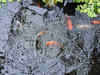
Storm surge massively helps juvenile tarpon and snook; Here’s how baby fishes survive
The events which bring exceptionally high water levels, serve as a lifeline for the newborn fish.

Fishing crew fights off 8-foot-long shark over a swordfish; Extraordinary moment captured on camera; Watch
In an Instagram video, a crew member can be heard exclaiming, "Get off my fish! Give me my fish! Give it to me!"
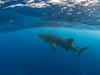
Sharks prowl closer to Florida shoreline. Here's what experts have to say
Recently videos on Twitter and experts have recorded sharks swimming dangerously close to the Florida coastline. Experts are saying that sharks are already closer than they thought.

Extinction Watch: Steller Sea Lions are known for disntinctive vocal airings
Historically, Steller sea lions were plentiful throughout the coastal North Pacific Ocean. But their numbers started declining as they were hunted for their meat, hides, oil, and other products. Today sea lions are an important subsistence resource for Alaska Natives.

10 years after Tsunami: Fishing transformed along the eastern coast
The tsunami has transformed fishing along the eastern coast. The number of boats has multiplied dramatically; they have become more powerful and predatory.
Attacks, abductions of fishermen by Sri Landa are acts of unfriendly nation: Jayalalithaa
Indian fishermen from the state by the Lankan Navy, the chief minister said she had told Manmohan Singh that it was yet another "outrageous incident".
Load More