
OYSTER REEF RESTORATION
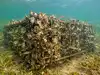
Georgia repurposed retired chicken cages as estuary reefs in the 1990s; years later, the structures remained stable and supported oyster growth
In an innovative move, Georgia has transformed chicken transport cages into artificial reefs to bolster marine life. Initiated in 1990, successful projects in Jove Creek and Van Dyke Creek highlighted the potential of this strategy. However, not every venture, like the Gold-Kist cages, yielded the same success. This initiative showcases how local industrial waste can contribute to environmental restoration, emphasizing the value of recycling in marine conservation efforts.
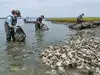
New Jersey planted more than 26,000 bushels of recycled oyster and clam shells across 8 acres; the total was double the amount initially planned
New Jersey has launched a remarkable shell recycling initiative aimed at revitalizing oyster reefs in the Mullica River estuary. This community-driven effort has surpassed all expectations, restoring twice the intended area. By partnering with local restaurants, which are actively involved in collecting and recycling oyster shells, the project underscores the crucial role oysters play in coastal ecosystems. Likewise, New York is undertaking similar efforts to bolster local oyster populations.
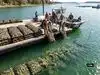
Amid layoff news, how 7 million oysters saved 1,000 jobs and environment in US
More than 7 million oysters have helped protect over 1,000 aquaculture and related jobs in the US while supporting marine conservation. The Supporting Oyster Aquaculture and Restoration (SOAR) programme was launched in 2020 after the COVID-19 pandemic left oyster farmers with large quantities of unsold shellfish. According to The Pew Charitable Trusts, the initiative has purchased oysters from over 150 growers, supported 35 restoration sites across eight US states and helped restore more than 60 acres of native oyster reefs.
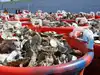
Since 2010, Maryland has reclaimed 308,500 bushels of discarded oyster shells for Chesapeake Bay restoration; its wider effort has planted billions of oysters
Maryland has repurposed over 300,000 bushels of used oyster shells since 2010, creating essential habitats for the growth of young oysters into thriving reefs. This project aims to restore the dwindling oyster population in Chesapeake Bay while enhancing critical underwater environments. To ensure the sustainability of these efforts, ongoing monitoring and protection of these habitats are paramount within the larger context of regional restoration actions.

In 2004, Florida researchers attached 36 recycled oyster shells to each reef mat; restored Mosquito Lagoon reefs later reached about 1,000 live oysters per m²
Researchers along Florida’s Atlantic coast are using recycled oyster shells to restore damaged oyster habitats. Restoration mats that include used shells are designed to create surfaces for juvenile oysters to settle. Within years, these restored areas achieved densities akin to natural reefs, indicating successful recovery efforts. The benefits extend beyond oysters, aiding in water purification and providing habitats for other marine life.
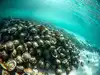
The oysters nobody can harvest are still making money for coastal communities. Here’s how
North Carolina's oyster restoration initiatives are proving to be a boon for local economies and the environment alike. These safeguarded reefs not only create jobs and bolster the fishing sector, but are also vital for oyster reproduction, boosting overall reef health. Studies confirm that these habitats help shield coastlines by dissipating wave energy, leading to plans for expanding the sanctuary network to maximize these gains.
- Go To Page 1
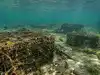
North Carolina removed 4 to 7 tons of abandoned crab pots from coastal waters; fishermen recycled the metal into 700 feet of new oyster-reef structure
Abandoned fishing traps contribute significantly to the deaths of marine life, notably in Chesapeake Bay. A North Carolina initiative creatively transformed derelict traps into new oyster reefs, helping local ecosystems. The project, which included voluntary efforts from fishermen and students, removed several tons of ghost gear. The restoration aims to counteract the long-term decline of oyster populations in many regions.
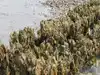
In 2004, Virginia turned dredged fossil shells into 85 acres of oyster reef in one river; later monitoring counted 76.2 million live oysters on the restored reefs
In 2004, an 85-acre reef network was built in the Great Wicomico River using dredged fossil oyster shells. Monitoring revealed that this restoration successfully supported approximately 76.2 million live oysters over the years. The design allowed for different reef elevations, enhancing survival and reproduction rates among oysters. Additionally, the restored reefs improved water clarity and created habitats for various aquatic organisms.
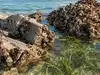
In 2003, Florida reused 6,000 tons of concrete rubble in Pensacola Bay: The material helped build a 7-acre oyster reef, and seagrass later spread to 2.5 acres
Downtown Pensacola has witnessed an inspiring transformation through Project GreenShores, which repurposed recycled concrete rubble into a vibrant living reef. This collaborative effort among various local and federal agencies has successfully established oyster habitats and expanded seagrass meadows in the bay. Scientific evaluations indicate that the recycled materials are safe for aquatic wildlife, highlighting an effective strategy for restoring coastal environments using construction waste.
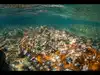
Oysters disappeared from Ireland's Dublin Bay for 200 years; now 18,000 of them are restoring water purity and reducing coastal erosion
Oysters are more than fine dining choices; they can also restore ecosystems and purify water. After disappearing from Dublin Bay for over 200 years, these oysters have found their way back through conservation efforts, and aside from cleansing water, they can also do their bit, restoring marine life and creating habitats for fish and crustaceans.

In 1995, Bette Midler launched NYRP to restore neglected spaces in New York. 30 years later, it has planted 200,000+ trees and restored 350+ green spaces for New Yorkers
Thirty years after Bette Midler began picking up trash in a New York park, the New York Restoration Project has developed into an organization whose work reaches deeply into the city’s environmental and community landscape. Its history shows how an apparently modest act—cleaning up a neglected public space—can develop into a sustained movement involving volunteers, residents, gardeners, environmental specialists, government agencies and community organizations.

Astronomers have found a 'baby' planet and named it Elias 2-24 b. The Jupiter-size world is less than 1 million years old
Astronomers have made an exciting discovery with Elias 2-24 b, recognised as the youngest planet identified to date. This gas giant is still enveloped in the material from its formation, indicating it is in a state of growth as it gathers more matter from its surrounding disk. Analysing previous telescope data has allowed scientists to gain valuable insights into the processes behind the formation and evolution of giant planets.

Charlie Puth sells family California home where he married Brooke Sansone for $18.5 million. Makes a whopping profit of $14.33 million
Singer Charlie Puth has successfully sold his stunning Montecito abode for a whopping eighteen point five million dollars. This was the cherished location where he tied the knot with Brooke Sansone in September twenty twenty-four. With a friendship dating back to childhood, they began their romantic journey in twenty twenty-two.
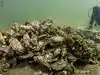
Alabama dumped 16,000,000 used oyster shells from restaurants into the sea. What happened next surprised researchers in development of new coastal lines, marine life, and cleaner water
Oyster shells are being repurposed along the Gulf Coast to restore essential marine ecosystems. By forming a strong foundation for new oyster reefs, these recycled shells bolster marine biodiversity. In addition to enhancing water clarity through their filtration capabilities, they serve as a natural barrier, safeguarding Louisiana's shorelines against erosion and storm impacts. This project aligns restaurant operations with crucial coastal restoration efforts.
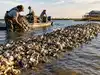
Louisiana collected 200 tons of discarded oyster shells from 19 restaurants and built a 400-foot reef; it now shields Pointe-au-Chien tribal land from erosion
Louisiana's coastline is rapidly disappearing, prompting a unique restoration effort. The Pointe-au-Chien tribe is using recycled oyster shells from restaurants to build protective reefs. These reefs help slow erosion and protect tribal lands from rising sea levels. Oyster reefs also naturally filter water and support local fish populations. This innovative approach offers a sustainable defense against coastal land loss.
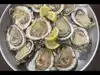
In 2019, New York restaurants turned discarded oyster shells into a unusual plan to rebuild the city’s historic reefs
In 2019, New York restaurants were taking part in an unusual environmental effort: recycling discarded oyster shells for use in rebuilding New York Harbor's historic oyster reefs. The Billion Oyster Project was collecting shells, raising baby oysters and working with students and volunteers as part of its goal to restore 1 billion oysters by 2035.
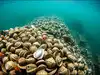
New York has already restored 200 million oysters. Now it wants 1 billion back in its harbor
New York Harbor is the focal point of an extraordinary ecological restoration project known as the Billion Oyster Project. The aim is to transplant one billion oysters by 2030, utilizing millions of recycled oyster shells to rebuild critical marine habitats. Oysters not only purify water but also foster biodiversity, thus the project is pivotal for re-establishing a thriving oyster ecosystem.
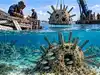
Florida was throwing away damaged metal signposts. In 2026, they are being turned into underwater habitats
In Florida counties, discarded road signposts are being creatively repurposed into underwater habitats. These metal structures are transformed into concrete artificial reefs, aiding marine life. Students are actively involved in this innovative initiative, which seeks to provide essential shelter for small fish and invertebrates. The project beautifully merges waste reuse with technical education and marine resource management, fostering environmental sustainability.
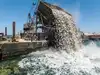
Florida dumped 500,000 tonnes of used oyster shells into the sea. It has now developed new reefs, cleaner water and is recovering the coastal environment
Over the past 16 years, Florida has successfully returned over 500,000 tons of shells to the Gulf, providing vital surfaces for young oysters to settle and mature. These oyster reefs create important nursery grounds for marine life, while also significantly minimising wave energy, thus enhancing coastal protection. This initiative not only encourages new oyster populations but also supports the overall health of coastal environments.
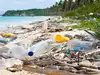
At 18, this Virginia teen helped 70 young volunteers to restore the Chesapeake Bay. They removed nearly 5,000 pounds of debris in a year
At just a teenager, James Hemphill launched a remarkable six-year environmental initiative. Co-founding Project Green Teens, he rallied numerous young volunteers to tackle pollution by removing thousands of pounds of trash from local waterways. They also contributed to the restoration of oyster reefs in the Chesapeake Bay, showcasing the significant influence young people can have in leading environmental change.
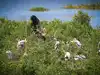
In 1930, Texas built three bird-nesting islands; all vanished. One restored island is now home to over 2,500 nesting habitat
Three Texas islands, once flourishing habitats for diverse bird species, have vanished due to natural erosion and subsidence. However, a significant restoration initiative has brought these nesting areas in Dickinson Bay, attracting thousands of colonial waterbirds to the revitalised Dickinson Bay Island II. Additionally, this project installed oyster reefs and protective structures, showcasing the potential to reverse ecological decline.
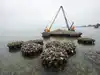
In 1997, US Army began Maryland's oyster restoration partnership in Chesapeake Bay. 24 years later, about 600 acres of new oyster bars had been created across Maryland
Maryland partnership formally began with the project cooperation agreement executed in February 1997. Restoration sites eventually included Kedges Strait and Eastern Bay, as well as portions of the Chester, Choptank, Magothy, Patuxent, Severn and Tred Avon rivers.
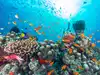
This city in Florida lost nearly 80% of its Oyster reefs; now a restoration project is rebuilding what disappeared. Here's how
Naples Bay is taking an innovative step by restoring its oyster reefs, which will enhance natural shoreline defenses. These vital reefs play a crucial role in cleaning the water and providing habitats for a variety of wildlife. Oysters are known for filtering large volumes of water, thus improving overall clarity and acting as natural wave barriers.
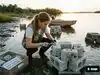
How a student turned waste glass into an ‘oyster home’ and won Rs 1.2 lakh award
A Florida high school student, Delaney Peterson, has explored an unusual way to support oyster reef restoration, by turning discarded glass into a potential habitat for young oysters. Her research tested recycled foamed glass aggregate as a hard surface where oyster larvae could settle and grow. The project, which connects waste recycling with marine conservation, won her a Rs 1.2 lakh award at the 2026 Regeneron International Science and Engineering Fair.
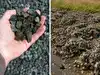
In 2024, researchers tested crushed waste concrete as a base for Chesapeake oyster reefs; oyster spat grew and survived with no detectable hydrocarbon leaching
In the Chesapeake Bay, recycled concrete rubble is proving to be a nursery for young oysters. Scientists have discovered that this crushed concrete can effectively replace the scarce oyster shells needed for habitat restoration. Oysters grown on this recycled material show growth and survival rates comparable to those cultivated on natural shells.

In Texas, oyster-shell waste became reef “shell bags”; along Galveston Bay, the new shell reefs supported living oysters and helped stabilize shorelines
The Galveston Bay Foundation has initiated a commendable recycling program to repurpose oyster shells from local restaurants for vital reef restoration efforts. These shells serve as a robust foundation for new oyster reefs within the bay. The devastation caused by Hurricane Ike severely affected existing reefs, making these recycled shells crucial for constructing breakwater reefs that shield shorelines from erosion.
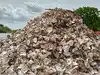
Louisiana used 13 million pounds of discarded oyster shells to build 8,000 feet of living shoreline; studies found oyster reefs can reduce wave heights under some conditions
In Louisiana, discarded oyster shells are being creatively transformed into living shorelines to combat coastal erosion and rising sea levels. This innovative project collects shells from restaurants, providing a habitat for juvenile oysters to thrive. Studies indicate that these reefs can effectively diminish wave impact during certain flooding scenarios. This community-focused initiative is making strides across Gulf states, presenting an eco-friendly solution for coastal resilience.
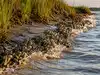
The Savannah River swapped bare marsh edge for oyster reefs in 2023; wave energy fell by up to 40%, giving Georgia coasts a tougher storm shield
Scientists built oyster reefs in Georgia's Savannah River to reduce wave energy. These reefs lessened wave impact on the shoreline by as much as forty percent. The "spat-on-shell" approach proved to be an inexpensive method for reef creation. However, wave attenuation effectiveness varies significantly with submersion duration. This nature-based defense offers a promising, adaptable solution for coastal erosion.
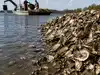
Since 2016, Alabama has recovered more than 22.6 million discarded oyster shells; the restaurant waste is being returned to coastal waters to help build reefs
In Alabama, restaurants are making waves by recycling oyster shells to bolster crucial reef restoration efforts. These once-discarded shells are invaluable as they provide surfaces for oyster larvae, allowing them to thrive. The program has successfully gathered millions of shells, turning them into vital materials for building reefs. Restored habitats not only improve water quality but also protect shorelines, supporting the livelihoods of coastal communities heavily tied to oyster health.
Load More

