
OYSTER LARVAE PRODUCTION
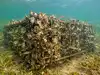
Georgia repurposed retired chicken cages as estuary reefs in the 1990s; years later, the structures remained stable and supported oyster growth
In an innovative move, Georgia has transformed chicken transport cages into artificial reefs to bolster marine life. Initiated in 1990, successful projects in Jove Creek and Van Dyke Creek highlighted the potential of this strategy. However, not every venture, like the Gold-Kist cages, yielded the same success. This initiative showcases how local industrial waste can contribute to environmental restoration, emphasizing the value of recycling in marine conservation efforts.
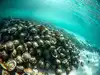
The oysters nobody can harvest are still making money for coastal communities. Here’s how
North Carolina's oyster restoration initiatives are proving to be a boon for local economies and the environment alike. These safeguarded reefs not only create jobs and bolster the fishing sector, but are also vital for oyster reproduction, boosting overall reef health. Studies confirm that these habitats help shield coastlines by dissipating wave energy, leading to plans for expanding the sanctuary network to maximize these gains.
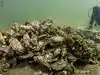
Alabama dumped 16,000,000 used oyster shells from restaurants into the sea. What happened next surprised researchers in development of new coastal lines, marine life, and cleaner water
Oyster shells are being repurposed along the Gulf Coast to restore essential marine ecosystems. By forming a strong foundation for new oyster reefs, these recycled shells bolster marine biodiversity. In addition to enhancing water clarity through their filtration capabilities, they serve as a natural barrier, safeguarding Louisiana's shorelines against erosion and storm impacts. This project aligns restaurant operations with crucial coastal restoration efforts.
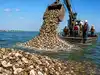
Florida dumped 500,000 tonnes of oyster and clam shells into the sea — what happened next surprised scientists
Florida successfully recycled over 500,000 tonnes of oyster and clam shells for reef restoration. These shells provided essential foundations for new oyster colonies to establish and grow. Oyster reefs significantly improved water quality by filtering suspended particles and excess nutrients. This restoration effort led to a notable rebound in fish, sea turtle, and dolphin populations. The initiative also yielded economic benefits for fisheries and tourism, and strengthened coastal defenses.

The US eradicated this flesh-eating parasite decades ago. Now it is detected in Texas and New Mexico
After vanishing for decades, the New World screwworm has made a distressing return to the United States. To address this threat, scientists have created an advanced tracking system designed to foresee potential infestations. The U.S. is leveraging the Sterile Insect Technique, which has previously demonstrated success. Coordinated actions are underway to ensure this parasite does not regain its former presence throughout the country.
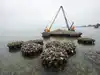
In 1997, US Army began Maryland's oyster restoration partnership in Chesapeake Bay. 24 years later, about 600 acres of new oyster bars had been created across Maryland
Maryland partnership formally began with the project cooperation agreement executed in February 1997. Restoration sites eventually included Kedges Strait and Eastern Bay, as well as portions of the Chester, Choptank, Magothy, Patuxent, Severn and Tred Avon rivers.
- Go To Page 1
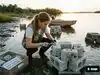
How a student turned waste glass into an ‘oyster home’ and won Rs 1.2 lakh award
A Florida high school student, Delaney Peterson, has explored an unusual way to support oyster reef restoration, by turning discarded glass into a potential habitat for young oysters. Her research tested recycled foamed glass aggregate as a hard surface where oyster larvae could settle and grow. The project, which connects waste recycling with marine conservation, won her a Rs 1.2 lakh award at the 2026 Regeneron International Science and Engineering Fair.
Load More

