
OYSTER FISHING SUPPORT
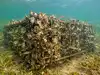
Georgia repurposed retired chicken cages as estuary reefs in the 1990s; years later, the structures remained stable and supported oyster growth
In an innovative move, Georgia has transformed chicken transport cages into artificial reefs to bolster marine life. Initiated in 1990, successful projects in Jove Creek and Van Dyke Creek highlighted the potential of this strategy. However, not every venture, like the Gold-Kist cages, yielded the same success. This initiative showcases how local industrial waste can contribute to environmental restoration, emphasizing the value of recycling in marine conservation efforts.
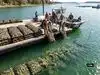
Amid layoff news, how 7 million oysters saved 1,000 jobs and environment in US
More than 7 million oysters have helped protect over 1,000 aquaculture and related jobs in the US while supporting marine conservation. The Supporting Oyster Aquaculture and Restoration (SOAR) programme was launched in 2020 after the COVID-19 pandemic left oyster farmers with large quantities of unsold shellfish. According to The Pew Charitable Trusts, the initiative has purchased oysters from over 150 growers, supported 35 restoration sites across eight US states and helped restore more than 60 acres of native oyster reefs.
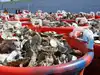
Since 2010, Maryland has reclaimed 308,500 bushels of discarded oyster shells for Chesapeake Bay restoration; its wider effort has planted billions of oysters
Maryland has repurposed over 300,000 bushels of used oyster shells since 2010, creating essential habitats for the growth of young oysters into thriving reefs. This project aims to restore the dwindling oyster population in Chesapeake Bay while enhancing critical underwater environments. To ensure the sustainability of these efforts, ongoing monitoring and protection of these habitats are paramount within the larger context of regional restoration actions.

In 2004, Florida researchers attached 36 recycled oyster shells to each reef mat; restored Mosquito Lagoon reefs later reached about 1,000 live oysters per m²
Researchers along Florida’s Atlantic coast are using recycled oyster shells to restore damaged oyster habitats. Restoration mats that include used shells are designed to create surfaces for juvenile oysters to settle. Within years, these restored areas achieved densities akin to natural reefs, indicating successful recovery efforts. The benefits extend beyond oysters, aiding in water purification and providing habitats for other marine life.

Chicago’s lost wetlands are coming back. Here’s how scientists, beavers and muskrats are rebuilding the Calumet region
Sometimes restoring nature isn't about building something new. It's about fixing what was broken and giving nature the chance to rebuild itself. The idea fits the Calumet landscape remarkably well. Read more here
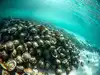
The oysters nobody can harvest are still making money for coastal communities. Here’s how
North Carolina's oyster restoration initiatives are proving to be a boon for local economies and the environment alike. These safeguarded reefs not only create jobs and bolster the fishing sector, but are also vital for oyster reproduction, boosting overall reef health. Studies confirm that these habitats help shield coastlines by dissipating wave energy, leading to plans for expanding the sanctuary network to maximize these gains.
- Go To Page 1
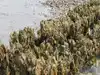
In 2004, Virginia turned dredged fossil shells into 85 acres of oyster reef in one river; later monitoring counted 76.2 million live oysters on the restored reefs
In 2004, an 85-acre reef network was built in the Great Wicomico River using dredged fossil oyster shells. Monitoring revealed that this restoration successfully supported approximately 76.2 million live oysters over the years. The design allowed for different reef elevations, enhancing survival and reproduction rates among oysters. Additionally, the restored reefs improved water clarity and created habitats for various aquatic organisms.
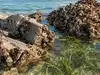
In 2003, Florida reused 6,000 tons of concrete rubble in Pensacola Bay: The material helped build a 7-acre oyster reef, and seagrass later spread to 2.5 acres
Downtown Pensacola has witnessed an inspiring transformation through Project GreenShores, which repurposed recycled concrete rubble into a vibrant living reef. This collaborative effort among various local and federal agencies has successfully established oyster habitats and expanded seagrass meadows in the bay. Scientific evaluations indicate that the recycled materials are safe for aquatic wildlife, highlighting an effective strategy for restoring coastal environments using construction waste.
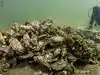
Alabama dumped 16,000,000 used oyster shells from restaurants into the sea. What happened next surprised researchers in development of new coastal lines, marine life, and cleaner water
Oyster shells are being repurposed along the Gulf Coast to restore essential marine ecosystems. By forming a strong foundation for new oyster reefs, these recycled shells bolster marine biodiversity. In addition to enhancing water clarity through their filtration capabilities, they serve as a natural barrier, safeguarding Louisiana's shorelines against erosion and storm impacts. This project aligns restaurant operations with crucial coastal restoration efforts.
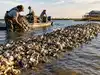
Louisiana collected 200 tons of discarded oyster shells from 19 restaurants and built a 400-foot reef; it now shields Pointe-au-Chien tribal land from erosion
Louisiana's coastline is rapidly disappearing, prompting a unique restoration effort. The Pointe-au-Chien tribe is using recycled oyster shells from restaurants to build protective reefs. These reefs help slow erosion and protect tribal lands from rising sea levels. Oyster reefs also naturally filter water and support local fish populations. This innovative approach offers a sustainable defense against coastal land loss.
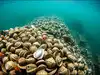
New York has already restored 200 million oysters. Now it wants 1 billion back in its harbor
New York Harbor is the focal point of an extraordinary ecological restoration project known as the Billion Oyster Project. The aim is to transplant one billion oysters by 2030, utilizing millions of recycled oyster shells to rebuild critical marine habitats. Oysters not only purify water but also foster biodiversity, thus the project is pivotal for re-establishing a thriving oyster ecosystem.
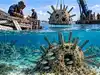
Florida was throwing away damaged metal signposts. In 2026, they are being turned into underwater habitats
In Florida counties, discarded road signposts are being creatively repurposed into underwater habitats. These metal structures are transformed into concrete artificial reefs, aiding marine life. Students are actively involved in this innovative initiative, which seeks to provide essential shelter for small fish and invertebrates. The project beautifully merges waste reuse with technical education and marine resource management, fostering environmental sustainability.
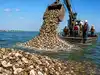
Florida dumped 500,000 tonnes of oyster and clam shells into the sea — what happened next surprised scientists
Florida successfully recycled over 500,000 tonnes of oyster and clam shells for reef restoration. These shells provided essential foundations for new oyster colonies to establish and grow. Oyster reefs significantly improved water quality by filtering suspended particles and excess nutrients. This restoration effort led to a notable rebound in fish, sea turtle, and dolphin populations. The initiative also yielded economic benefits for fisheries and tourism, and strengthened coastal defenses.
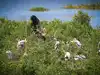
In 1930, Texas built three bird-nesting islands; all vanished. One restored island is now home to over 2,500 nesting habitat
Three Texas islands, once flourishing habitats for diverse bird species, have vanished due to natural erosion and subsidence. However, a significant restoration initiative has brought these nesting areas in Dickinson Bay, attracting thousands of colonial waterbirds to the revitalised Dickinson Bay Island II. Additionally, this project installed oyster reefs and protective structures, showcasing the potential to reverse ecological decline.

In 2016, New Smyrna Beach faced Hurricane Matthew with planted living shorelines; winds topped 90 mph, yet the demonstration structures remained standing
The living shoreline initiative in New Smyrna Beach demonstrated remarkable resilience during Hurricane Matthew, effectively absorbing the storm's wave energy. This natural barrier mitigated significant erosion and structural damage, showcasing the superiority of plants and sand against conventional hardened structures. Research by NOAA supports the effectiveness of living shorelines over traditional concrete seawalls, emphasizing their environmental advantages and long-term financial benefits.
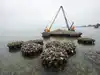
In 1997, US Army began Maryland's oyster restoration partnership in Chesapeake Bay. 24 years later, about 600 acres of new oyster bars had been created across Maryland
Maryland partnership formally began with the project cooperation agreement executed in February 1997. Restoration sites eventually included Kedges Strait and Eastern Bay, as well as portions of the Chester, Choptank, Magothy, Patuxent, Severn and Tred Avon rivers.
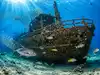
In 2009, Jacksonville sank the former Coast Guard tender Spike in 100 feet of water; one year later, a REEF diver counted 16 fish species, up from just 6
An ex-Coast Guard ship now stands as an artificial reef, drawing the attention of vibrant marine life. At first, the submerged metal hull was sparsely populated, but within just a year, it transformed into a bustling ecosystem brimming with various fish and invertebrate species. These advanced artificial reefs are crucial in enhancing fish biodiversity and offer a promising avenue for the restoration of marine habitats.
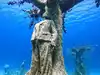
In 2021, Cyprus submerged 93 sculptures to create an underwater forest; concrete trees rise from the seabed at different depths
An underwater sculpture park in Cyprus offers a unique habitat for marine life. This art installation, MUSAN, features concrete figures and trees on the seafloor. Scientists are observing marine life colonizing these structures, which is a positive sign. The Mediterranean faces significant climate threats, making such conservation efforts crucial. MUSAN aims to preserve marine ecosystems and raise awareness about ocean value.
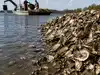
Since 2016, Alabama has recovered more than 22.6 million discarded oyster shells; the restaurant waste is being returned to coastal waters to help build reefs
In Alabama, restaurants are making waves by recycling oyster shells to bolster crucial reef restoration efforts. These once-discarded shells are invaluable as they provide surfaces for oyster larvae, allowing them to thrive. The program has successfully gathered millions of shells, turning them into vital materials for building reefs. Restored habitats not only improve water quality but also protect shorelines, supporting the livelihoods of coastal communities heavily tied to oyster health.

Britain used discarded seafood waste and engineered reef habitats to solve the collapse of native oyster ecosystems; the result transformed lifeless seabeds into thriving underwater habitats capable of supporting oysters, fish, and countless marine species
Britain is deploying concrete reef cubes and scallop shells to revive native oyster populations. These structures aim to provide essential hard surfaces for young oysters to attach and grow. Oyster numbers have drastically declined, necessitating this engineering-driven ecological restoration effort. The project combines adult and juvenile oysters with recycled shells for a robust foundation. Success will be measured by oyster survival, reproduction, and the return of a healthy marine ecosystem.
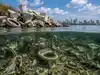
New York crushed 5,000 discarded school toilets and lowered the porcelain into Jamaica Bay, creating foundations for new oyster reefs
New York City recycled nearly five thousand old toilets from public schools. This discarded porcelain became part of new oyster reef foundations in Jamaica Bay. Oysters were installed to help rebuild a marine habitat lost for decades. These reefs filter water and provide essential habitat for marine species. The project demonstrated practical environmental work by rethinking waste materials.

Doctors say your Thyroid loves these foods, and you probably aren’t eating enough
A healthy thyroid needs the right foods to work well. Doctors say nutrients like iodine, selenium, zinc, protein, and antioxidants play a big role in thyroid health. Eating natural foods that have these nutrients may help support hormone balance and reduce inflammation. This simple guide explains which foods are helpful and which ones to limit.

She's 39 but biological age test says 25: Fitness coach shares 3 longevity foods that helped her reverse age
A 39-year-old fitness coach, Zarina Manaenkova, revealed that recent lab results show her biological age is 25. She shared three foods she relies on to support healthy ageing: fatty red fish for omega-3 and overall health, colourful vegetables for longevity benefits and phytonutrients, and probiotic-rich foods like sauerkraut and pickles to strengthen gut health.

The unmissable destinations in Australia visitors should not miss
Australians consistently choose familiar destinations for their holidays, favouring open landscapes, coastal walks, and food regions. From Sydney's Bondi-to-Bronte walk and the Blue Mountains to Victoria's Bright and Lorne, these popular spots offer a blend of natural beauty and local experiences.

Grey hair before 30? Key vitamins and lifestyle changes to slow the process
Nutritional deficiencies in vitamins B12, zinc, and copper may accelerate hair graying. While genetics are primary, a nutrient-rich diet with calcium, iron, protein, and various B vitamins can support melanin production and potentially slow the process. Lifestyle changes like quitting smoking and managing stress may also help preserve natural hair color.

Suffering from painful periods? Eat more chia seeds & eggs
Omega-3 fatty acids affect how our cells function and the signalling pathways associated with inflammation and pain.

Want a good night's sleep? Add oily fish, cherries to dinner menu
Relaxing before bed and avoiding too much blue light from electronic devices also help.
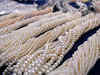
How a drought-hit Maharashtra farmer braved penury by cultivating freshwater pearls
Gandate, whose family traditionally cultivates rice, started freshwater pearl farming after getting basic training from a scientist at the Krishi Vigyan Kendra.

Gujarat readies to handle possible oil spill in sea
According to officials, a high-level committee would be formed to study the risk potential of oil spill.
Load More

