OCEANIC FOOD WEB

Rats are changing life underwater without entering the sea. A new study explains how
A 2026 study found that invasive rats on tropical islands are affecting marine life by destroying seabird colonies. Researchers discovered that coral reefs near rat-free islands have more tiny fish, while reefs near rat-infested islands have a greater proportion of crabs and other small invertebrates.
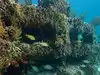
An artificial reef can do more than attract fish: How a 125-acre underwater project could reshape North Carolina's coastal ecosystems
An artificial reef will be constructed in North Carolina's Albemarle Sound, scheduled for development soon. This project aims to create shelter, feeding opportunities, and spawning habitats for local marine life. By utilizing materials from the Alligator River Bridge, the reef will cover an area of 125 acres. Although the initiative will increase habitat availability, its effectiveness in boosting fish populations is uncertain.
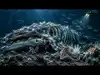
Science says a dead whale can feed an entire ecosystem for decades, what happens after it reaches the seafloor is extraordinary
The massive bones of a whale can hold significant amounts of lipid-rich material. In the low-oxygen environment around a whale fall, microorganisms gradually decompose this organic matter. As part of that breakdown, sulfate-reducing microbes can produce hydrogen sulfide, creating a chemical energy source that helps sustain specialized deep-sea communities.
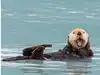
In 1980s, sea otters gradually returned to California's coastlines after being nearly extinct. Their return restored kelp forests, reduced carbon emissions and flooding
Once hunted to extinction for their pelts, sea otters gradually returned to the Californian coastlines. Their comeback reduced the sea urchin and crap populations allowing kelp forests and coastal marshes to heal. These ecosystems help prevent carbon emissions to the ecosystem and also provide natural protection against flooding. Helping one small predator have a stale habitat can also help the environment recover in various ways.
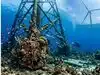
How Southern New England wind turbines are turning into artificial reefs where crabs thrive?
Once they reach the end stage of their lives, wind turbines could become home to various marine life. Recent reports suggest that wind turbines which have been submerged in the seabed have become artificial reefs for sea organisms such as algae, mussels, and barnacles.

In 2012, Jason Mraz began farming 5 acres in California with organic practices. 14 years later, his family farm had grown thousands of trees while promoting regenerative agriculture
Singer Jason Mraz has beautifully transformed his San Diego orchard into a thriving regenerative avocado farm. Since acquiring the property two decades ago, he's established Mraz Family Farms, promoting organic and fair trade practices. The farm grows delectable avocados and passion fruit while enhancing land health and fostering sustainable food production. Beyond farming, Mraz advocates for eco-friendly touring practices and embracing a plant-based diet.
- Go To Page 1
Since 1990s, amount of living heat sensitive coral has gone down shockingly, this indicates warmer ocean which means worse storms, hotter nights
El Nino is already as big as recent ones and is still growing with it expected to reach unprecedented levels at its peak. It's responsible for a good chunk of the heat in the oceans

In June 2026, El Niño weakened Pacific trade winds, shutting down nutrient-rich upwelling; satellites then watched phytoplankton decline, threatening anchovies and seabirds as the ocean food chain began to unravel
El Niño has returned to the Pacific Ocean in June 2026, impacting marine ecosystems. Weakened trade winds are reducing nutrient upwelling, starving phytoplankton populations. This decline affects anchovies and seabirds, leading to coastal food scarcity. NASA satellites are monitoring these changes with unprecedented detail. Scientists anticipate a potential rebound in marine life after the event.

In 1979, old salmon cans were stored in an Alaskan cannery, and decades later, when scientists cracked them open, a rising worm count revealed something unexpected about changing ocean food webs
Old canned salmon from Alaska reveals a significant increase in parasitic worms. Scientists studied cans dating back to 1979. This rise in worms is linked to the recovery of marine mammal populations and potentially climate change. The findings offer a unique historical record of ocean health. Consumers of canned salmon face no risk as the canning process eliminates parasites.

Giant octopus fossil proves Kraken was real? Sea monster bigger than most dinosaurs lived 100 million years ago: Study
Giant octopus fossil: A new study published in Science reveals that giant octopus-like creatures up to 19 metres long lived as apex predators in the ancient oceans 100 million years ago. Fossilised beaks show they crushed bones and rivalled mosasaurs. The discovery suggests these intelligent invertebrates dominated marine food webs long before modern legends of the Kraken.
Scientists Say the Ocean Has a Living “Skin”, And Most People Never Notice It
The ocean's surface, a thin layer known as the sea surface microlayer, is a vibrant, living community called the neuston. This zone, enriched with organic material, hosts microscopic organisms and larger drifters, playing a crucial role in gas exchange and climate regulation. Scientists are now recognizing this delicate surface as a distinct habitat, increasingly impacted by plastic pollution.
130-million-year-old oceans dominated by super predators at unprecedented trophic levels, far surpassing modern marine apex species
Ancient oceans teemed with massive marine reptiles, some over ten metres long. These creatures occupied a previously unknown seventh level in the food chain. This indicates a highly complex ecosystem unlike today's seas. Researchers reconstructed this lost world from fossils in Colombia's Paja Formation. The findings reveal an intense evolutionary battle between predators and prey millions of years ago.
Blue whales' mysterious silence leave scientists worried as it sends a dire warning to humanity
Alarming reports indicate a significant decline in blue whale vocalizations due to devastating heatwaves. These heatwaves have triggered toxic algae blooms, disrupting the whales' food sources like krill and anchovy. Researchers observed a nearly 40% drop in whale song, coinciding with a massive marine heatwave known as "The Blob. Scientists have raised an alarm over the ghostly silence of blue whales.
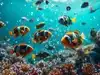
The plastic you can’t see is flooding the Atlantic, and entering your body
A staggering 27 million tons of nanoplastics, invisible to the naked eye, now pollute the North Atlantic Ocean, posing a significant threat. These particles, originating from plastic waste breakdown and atmospheric deposition, infiltrate the marine food web and potentially human tissues. Due to their microscopic size, prevention is the only viable solution to curb this pervasive pollution.

World's strongest ocean current is slowing down rapidly; Scientists warn it could have a scary effect on Earth
Scientists warn that the Antarctic Circumpolar Current is slowing down due to climate change. This could lead to sea level rise and ocean warming. The current might slow by around 20 percent by 2050, altering Antarctic ecosystems and influencing food webs. Melting ice shelves contribute to these changes, posing severe global climate risks.

Warming, deep-sea mining cause stress in midwater animals
A recent study conducted by scientists at the GEOMAR Helmholtz Centre for Ocean Research Kiel has provided insights into the stress response of a deep pelagic jellyfish to ocean warming and sediment plumes caused by deep-sea mining. The study highlights the potential environmental disruption caused by deep-sea mining and the vulnerability of midwater species to sediment plumes. The researchers emphasize the importance of understanding the impacts of deep-sea mining on midwater ecosystems.
Oceans are changing colour and climate change may be to blame
Over the past 20 years huge swathes of the world's oceans have changed colour, displaying a subtle greening towards the tropics that researchers say points to the effect of climate change on life in the world's seas. In the new research published on Wednesday, scientists said they had detected shifts in colours across more than half of the world's oceans -- an expanse bigger than Earth's total land area.
Over 5,500 new viruses identified in the ocean, including a missing evolutionary link
RNA viruses are best known for the diseases they cause in people, ranging from the common cold to Covid-19.

United States is world's biggest plastic polluter, Report finds
Overall, the US contributed around 42 million metric tons (MMT) in plastic waste in 2016 -- more than twice as much as China and more than the countries of the European Union combined, according to the analysis.

Why increased rainfall in the Arctic is bad news for the whole world
The Arctic water cycle is expected to shift from a snow-dominated one towards a rain-dominated one during the 21st century, although the timing of this is uncertain. Now, a team of scientists have published a study in the journal Nature Communications which suggests that this shift will occur earlier than previously projected.

Scientists find evidence of virus-eating microorganisms
The findings, published in the journal Frontiers in Microbiology, go against the currently predominant views of the role of both viruses and these groups of single-celled organisms called protists in the marine food webs.
NASA space laser maps polar ocean plants key to life
Washington, Dec 22 (IANS) A NASA satellite instrument orbiting Earth that can see through fog, clouds and darkness has given scientists their first continuous look at the boom-and-bust, or peak and decline, cycles of phytoplankton - foundation of the ocean's food web vital for life to exist on earth.
El Nino's impact may disrupt marine food chain: NASA
El Nino years can have a big impact on phytoplanktons - the tiniest plants in the ocean - disrupting the marine food chain, NASA scientists said.
Focus on coasts to clean up plastics in ocean: Study
The patch is enclosed by ocean currents that concentrate the plastics into an area estimated to be larger than twice the size of the UK.
Everyday plastics spell doom for the oceans
The ubiquitous plastic that is easy to use and easy to discard and forms part of our everyday lives is unwittingly spelling doom for the oceans and its myriad creatures.

Rising CO2 levels causing 'tooth decay' in sea organisms: Scientists
Rising carbon dioxide levels in the atmosphere are having a catastrophic effect on microscopic marine life, according to scientists.
Load More