
OCEAN POLLUTION
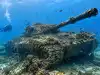
In 1994, Florida deployed seven retired M60 tanks as reefs off Pensacola; a 2000 inspection found them still in their original positions on the seafloor
The state of Florida creatively utilized retired M60 tanks by turning them into artificial reefs for marine habitats. This innovative initiative began in 1994 and involved extensive preparation before deploying the tanks underwater. Marine life benefits from these structures, which provide stability and protection as they develop ecosystems over time. Inspections revealed that the tanks remained in their original locations, enhancing local biodiversity.
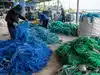
In 2012, a Philippine coastal project began turning discarded fishing nets into carpet tiles; six years later, UNEP reported 61 tonnes collected and 41 tonnes recycled
Old fishing nets pose a significant environmental threat as they contribute to ocean plastic pollution and ghost fishing. The Net-Works project has recycled around 41 tonnes of these nets into new carpet tiles since 2012. It partners with local fishing communities to collect and repurpose used nets, which are turned into nylon thread. Despite this innovative solution, only a fraction of the total waste is being processed effectively.
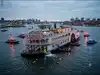
Alabama has the largest artificial reef system; ship containing 1,700 slot machines and 100 military tanks provides shelter to marine life and attracts eco-tourism
In July 2026, the Argosy VI, previously a floating casino, was intentionally sunk to create an artificial reef as part of Alabama's commitment to fostering marine ecosystems. The state has been building a robust network of underwater habitats utilising diverse materials, such as decommissioned military tanks and retired ships. Meticulous measures were taken to prioritise environmental safety during the sinking process, supporting marine life and boosting regional tourism.

Goodbye to sunrise for 4 months: Scientists are living on Arctic ice to discover what lives beneath it; you won't believe what they saw
A team of twelve ambitious researchers is embarking on a remarkable four-month journey into the depths of the Arctic, devoid of sunlight. Their mission focuses on studying resilient marine organisms that thrive in perpetual darkness and freezing temperatures. The Tara Polar Station, drifting alongside sea ice, provides them with a unique vantage point to explore the frigid ocean ecosystem.

From being bedridden for months to an over 90,000 kilometres journey across Amazon to Antarctica, one man is rewriting what travel could look like
David Bossek is undertaking a global expedition to explore responsible travel and environmental awareness. He began his journey from Germany in 2024 after recovering from a cycling accident. Following a primarily overland route, he has already traveled through diverse landscapes and cultures. His experiences challenge conventional travel methods while contributing positively to local communities. Bossek plans to return to Germany in 2028, embracing unexpected opportunities along the way.
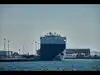
How Australia built world’s biggest battery-powered ferry
The electric ferry China Zorrilla has launched its operations between Buenos Aires and Uruguay, marking a significant milestone in eco-friendly maritime transport. This initiative showcases advancements in battery technology aimed at curbing environmental impact.
- Go To Page 1
Hawaii’s abandoned fishing nets once trapped marine life; now they are being turned into electricity
Since 1996, Hawaii has successfully collected 848 metric tons of abandoned fishing nets, significantly reducing marine pollution. These nets are skillfully processed at an energy plant, transforming waste into usable electricity. This innovative initiative, supported by collaboration among government and fishermen, not only cleans our oceans but also promotes renewable energy. Moving forward, it is essential to focus on preventing marine debris and improving waste management practices.
Almost all coral reef ecosystems face risk of collapse in 50 years, study warns
The world’s coral reefs are critically endangered due to rising ocean temperatures and climate change. This poses a significant threat to marine biodiversity and coastal communities. Nearly all shallow-water reef systems could collapse by 2075 without intervention. Experts emphasize the need for ambitious emissions reductions and improved protection efforts. The IUCN report serves as a crucial reminder of the urgent action needed to protect coral ecosystems.
Money managers say there’s nowhere to hide as Super El Niño forms
Investors are preparing for the impacts of an unprecedented El Niño cycle affecting global markets. The weather phenomenon is linked to rising food prices and inflation estimates, heightening economic concerns. Analysts identify several vulnerable nations, including Indonesia, Brazil, and Colombia, likely to experience spillover effects. Strategies to cope include focusing on businesses developing technologies for extreme weather resilience. The widespread effects of El Niño necessitate adaptations spanning various sectors globally.

Florida scientists use ‘coral IVF’ to save dying reefs as 1.5 million embryos offer new hope: How this process works
Florida scientists are using a technique called “coral IVF” to restore damaged reefs, producing more than 1.5 million coral embryos in a major 2026 effort. The scientists are utilizing coral IVF to rejuvenate coral reefs. By skillfully harvesting and fertilizing coral gametes, they've produced resilient embryos. These embryos thrive in carefully monitored settings until they develop into healthy young corals.
Apple Fellow Phil Schiller and his wife donate $25 million to help protect coral reefs across the world; How their gift will fund new research
Phil Schiller and Kim Gassett-Schiller announced a $25 million donation to the Woods Hole Oceanographic Institution. This funding aims to establish the Schiller Centre for Reef Solutions, which focuses on protecting coral reefs. Researchers will investigate reef health and test practical interventions for better conservation results. The donation addresses the urgent environmental pressures facing coral ecosystems today.

A $3.5 million Jeff Bezos Earth Fund grant targeted LA’s Concrete Wash in 2023; 3 years later, it became a greenway
Pacoima Beautiful, a local nonprofit, funded the work using a $3.5 million grant from the Bezos Earth Fund awarded in 2023. That funding directly supports climate resilience in an area facing extreme temperatures.
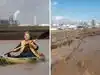
In 2019, a Texas fisherwoman won the largest ever settlement of $50 million in a citizen suit in the history of US Clean Water Act in fight against a plastic giant
Diane Wilson, a Texas fisherwoman and a passionate advocate for the environment, has been at the forefront of the battle against plastic pollution instigated by Formosa Plastics. In 2019, she achieved a significant legal victory, securing a settlement that mandated no plastic waste discharge from the company’s Point Comfort factory on Texas' Gulf Coast.

At 12, he took a $500 loan in North Carolina; how a Hawaii trip inspired his six-figure swimwear brand Coastal Cool
A North Carolina teenager turned a $500 loan from his parents into a six-figure sustainable swimwear business. Holden Bierman, now 19, launched his entrepreneurial journey at 12 after a family trip to Hawaii sparked an idea. He taught himself e-commerce through online resources and eventually built Coastal Cool, a beachwear brand that also aims to tackle plastic pollution.

In 2019, Amsterdam began using bubble barriers to catch river plastic. Now the US wants to bring the technology to the Great Lakes
Lansing is considering implementing the Bubble Barrier technology, initially developed in Amsterdam, to address plastic pollution. This innovative system uses air bubbles to direct plastic waste towards collection points in waterways. Installation in the Grand River aims to prevent waste from reaching the Great Lakes. Local researchers are studying the ecological impact and effectiveness of the system before installation. Community engagement and ongoing maintenance are crucial for the project's success.

In 2016, a California teenager discovered thousands of golf balls underwater, two years later, combined cleanups had recovered 50,681
Weber discovered the golf balls while exploring a small cove near Pebble Beach. She found thousands of them lying underwater and began collecting them with her father. They continued their efforts over several months. When conditions allowed, they could recover between 500 and 5,000 golf balls during a collection session.

894 pieces of plastic were found inside one seabird. The bigger warning came from what happened next, the finding has researchers deeply concerned about the ocean
A recent study revealed that sable shearwater chicks on Lord Howe Island are ingesting alarming amounts of plastic. Researchers recorded a chick with 894 plastic items in its stomach, highlighting a significant increase in pollution. This increase in plastic ingestion from 2023 to 2026 shows the worsening state of ocean pollution. Parents unknowingly feed plastic waste to their chicks, mistaking it for food.

Saturn comes closest to Earth this week: Here is the best time, date and direction to see the ringed planet without a telescope, plus what else to expect in the night sky
On October 4, 2026, Saturn reaches opposition, creating ideal conditions for skywatchers to observe the planet. Saturn will rise at sunset, reach its highest point around midnight, and remain visible until sunrise. The planet can be seen without a telescope as a bright point of light, although its rings require a telescope to view. Skywatchers should locate Saturn between the constellations Pisces and Cetus for the best views.
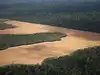
Earth’s 7 of 9 Planetary Boundaries have been breached: Amazon, oceans and climate are among systems under pressure as situations continue to worsen
Earth's natural systems face mounting pressures, with seven of nine planetary boundaries now breached. The Planetary Health Check 2026 highlights ongoing risks from climate change and biodiversity loss. While two boundaries remain within safe limits, recovery signs for the ozone layer are slowing. Scientists emphasize the interconnectedness of ecosystem changes and their impacts on human livelihoods, indicating urgent action is necessary.
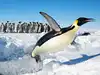
Since 2014, 49,520 registered volunteers have classified penguins, chicks, and eggs in Antarctic photos; more than 6 million classifications helped build a colony dataset
The Penguin Watch initiative witnessed enthusiastic participation from citizen scientists who contributed to penguin counting efforts in Antarctica. By scrutinizing vast amounts of imagery, volunteers played a critical role in helping researchers obtain essential data regarding penguin populations and their reaction to ecological threats. This unique blend of public engagement and scientific inquiry not only supports traditional counting methods but also emphasizes the valuable role of community in wildlife conservation.
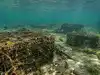
North Carolina removed 4 to 7 tons of abandoned crab pots from coastal waters; fishermen recycled the metal into 700 feet of new oyster-reef structure
Abandoned fishing traps contribute significantly to the deaths of marine life, notably in Chesapeake Bay. A North Carolina initiative creatively transformed derelict traps into new oyster reefs, helping local ecosystems. The project, which included voluntary efforts from fishermen and students, removed several tons of ghost gear. The restoration aims to counteract the long-term decline of oyster populations in many regions.
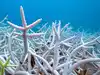
The island that is disappearing: India's race to build a reef before the sea wins
Kariyachalli island is implementing restoration efforts to counteract severe coastal erosion and rising sea levels. This includes the installation of artificial reefs and restoration of coral and seagrass ecosystems. Local residents, including saltpan workers, are also involved and benefiting economically from the conservation project. However, ongoing climate change poses challenges for the success of these restoration efforts.

Delhi's current pleasant weather likely to dissipate soon
New Delhi is experiencing pleasant weather currently, but temperatures are set to rise soon. According to the India Meteorological Department, this change is expected from October 1. Maximum temperatures will range from 33 to 35 degrees Celsius, while minimum temperatures may be between 23 and 25 degrees Celsius. This trend is influenced by El Nino conditions, expected to persist through early 2027.

Florida Keys homeowner shocked to find 64 baby turtles in backyard pool trapped in chlorinated water : The surprising reason they took a wrong turn
A Florida Keys resident recently discovered 64 baby sea turtles swimming helplessly in their pool. These tiny creatures, disoriented by the allure of artificial light, lost their way towards the ocean. The Turtle Hospital staff swiftly stepped in, rehabilitating the turtles before releasing them back into their natural habitat. Baby turtles can take a wrong path in the ocean due to artificial lightning.
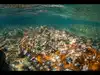
Oysters disappeared from Ireland's Dublin Bay for 200 years; now 18,000 of them are restoring water purity and reducing coastal erosion
Oysters are more than fine dining choices; they can also restore ecosystems and purify water. After disappearing from Dublin Bay for over 200 years, these oysters have found their way back through conservation efforts, and aside from cleansing water, they can also do their bit, restoring marine life and creating habitats for fish and crustaceans.

UK, France and other European countries dumped 200,000 radioactive waste barrels in the Atlantic from 1946 to 1993. What happens now?
From 1946 to 1993, several European nations including the United Kingdom, France, Belgium, the Netherlands, Sweden, Switzerland, and Germany, regularly dumped radioactive waste in the North Atlantic, eventually totaling 200,000 barrels. Now, a months-long analysis is underway to determine the extent of the pollution’s impact and scientists are investigating the potential radioactive threat.
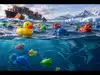
In 1992, a container ship lost 28,800 unsinkable plastic bath toys in the North Pacific, helping oceanographer find oceans' invisible highways from Alaska to Scotland
In 1992, a cargo ship lost 28,800 plastic bath toys in the North Pacific. Their unexpected journey across the ocean gave researchers valuable data on currents, helping them understand how floating debris moves across vast distances. Some toys reached Alaska, while others may have travelled through the Arctic toward the Atlantic and Europe.

Bittu Tabahi cleans Delhi's Yamuna after Ajnar River in Madhya Pradesh: 585 kg waste cleared in 4.5 hours; watch video
Bittu Tabahi on Sunday took the initative of cleaning Yamuna River in Delhi. He started his cleanliness drive from Ajnar River in Madhya Pradesh. In Delhi he took up 3 days for his drive. After cleaning Yamuna River in Delhi which was his first stop, his next stop was Gurugram’s Kherki Daula. Many people on Sunday came to support him and make the drive a successful one. I almost 4.5 hours he managed to clean 585 kg of waste.
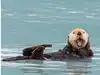
In 1980s, sea otters gradually returned to California's coastlines after being nearly extinct. Their return restored kelp forests, reduced carbon emissions and flooding
Once hunted to extinction for their pelts, sea otters gradually returned to the Californian coastlines. Their comeback reduced the sea urchin and crap populations allowing kelp forests and coastal marshes to heal. These ecosystems help prevent carbon emissions to the ecosystem and also provide natural protection against flooding. Helping one small predator have a stale habitat can also help the environment recover in various ways.
Load More

