
NATANZ NUCLEAR FACILITY
The next Iran war could be bigger, wider and harder to contain
Iran is actively preparing for potential military engagements that could provoke a major regional conflict. The escalation of Houthi attacks on Saudi territory complicates the situation for US allies in the Gulf. American military assets are being deployed in the region, anticipating possible Iranian reprisals. The interplay between ongoing conflicts could threaten critical infrastructure and international shipping lanes.
The status of Iran's uranium enrichment programme | Explained
Iran has enriched uranium to 60% purity, which is near weapons-grade, causing significant concern internationally. Following US-Israeli airstrikes, several of Iran's enrichment facilities were either destroyed or damaged last year. The International Atomic Energy Agency has not been informed about the current status of Iran's enriched uranium stocks or sites. US Vice President JD Vance emphasizes the need for Iran to reduce its enrichment capacity significantly.

Trump’s ‘little war’ with Iran just got a lot bigger
Trump’s strategy of economically strangling Iran may be increasing rather than reducing the risk of a wider Middle East war. As Tehran and its Houthi allies threaten shipping around both the Strait of Hormuz and Bab el-Mandeb, the conflict could outlast Trump’s presidency and reshape the regional balance of power.
Houthis seize key Yemeni Red Sea port, sources say, threatening global energy flows
Houthi militants seized Yemen's Mocha port, threatening vital global energy supplies. This escalation occurs as Iran and the United States engage in tit-for-tat attacks. President Trump expects the war to end after the upcoming mid-term elections. Saudi Arabia has warned Iran to control its Houthi allies to prevent further crisis. Oil prices remain elevated due to disrupted shipping routes through the Red Sea and Hormuz.
Iran’s secret underground nuclear site is busier than ever: Satellite images reveal major construction surge at Pickaxe Mountain amid US war
Satellite imagery reveals significant construction increases at Iran's Pickaxe Mountain site. This underground facility near Natanz is undergoing internal construction and reinforcement. The International Atomic Energy Agency has sought access but Iran has not granted it. The United States is exploring ways to strike deeply buried targets. Pickaxe Mountain remains under intense scrutiny as Washington weighs its response.
- Go To Page 1

Trump threatens US might 'hit' Iranian nuclear site Pickaxe Mountain 'very soon'
US President Trump warned of a potential strike on Iran's underground nuclear site. He stated the United States aims to prevent Tehran from acquiring nuclear weapons. US forces recently conducted strikes against Iranian military targets in the region. These operations targeted facilities associated with Iran's Islamic Revolutionary Guard Corps. Iran condemned the American strikes, accusing Washington of violating its sovereignty.

The dreaded 'N' word is back again as Trump runs out of Iran options
Recent US and Iran military exchanges have revived discussions about a nuclear option. These attacks follow a period of relative calm and highlight a strategic stalemate. Former officials have raised concerns about limited conventional choices available to Washington. The debate centers on Iran's deeply buried nuclear facilities and their vulnerability. Such discussions reflect growing frustrations with the ongoing conflict's resolution.

Why is it called Pickaxe Mountain, Iran's underground nuclear facility? Its significance, depth and challenges Donald Trump faces if he decides to bomb it
Pickaxe Mountain mountain's name originates from its Persian name Kuh-e Kolang Gaz La. The mountain has come into focus as US President has threatened to strike the mountain, linked a Iran's nuclear program. According to security experts, the deep structures are designed to withstand aerial attacks and powerful weapons

IAEA confirms damage to Iran's nuclear fuel enrichment plant, no radiological impact
The International Atomic Energy Agency has released a statement acknowledging the destruction at Iran's Natanz Nuclear site. Recent satellite photos reveal extensive damage to the entrance structures, yet officials assure there is no risk of radiological fallout. Initial reports suggest that strikes from US and Israeli forces were responsible.

Iran’s Natanz nuclear plant shows damage at entrance, IAEA says no radiological risk
Iran-Israel War: The IAEA has confirmed recent damage to the entrance buildings of Iran’s Natanz Fuel Enrichment Plant (FEP), but said no radiological consequences are expected and no further impact has been detected at the main facility.

'Pray it doesn't escalate into WW3,' says Former J-K DGP SP Vaid on US strikes in Iran
Former Jammu and Kashmir DGP, Shesh Paul Vaid, voiced concerns over the escalating conflict between Israel and Iran, particularly after the US strikes on Iranian nuclear facilities. Vaid fears a potential World War III if Iran retaliates against US assets, given the US military's capabilities demonstrated in the strikes.
Iran’s nuclear sites: What the US strikes hit and why they matter
US military strikes targeted key Iranian nuclear sites, including Natanz, Fordo, and Isfahan, prompting claims from President Trump of "obliterated" enrichment facilities. Iran denies nuclear weapon ambitions, despite IAEA reports indicating a significantly increased enriched uranium stockpile, nearing weapons-grade levels. These sites, subject to IAEA inspections, include uranium enrichment, conversion, and research reactors, as well as a nuclear power plant.
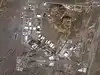
US strikes Iran: Saudi Arabia says 'no radioactive effects' detected in Gulf
Following US airstrikes on Iranian nuclear facilities, Saudi Arabia reports no nuclear effects in the Gulf. Iran confirms no contamination at Isfahan, Fordo, and Natanz. Despite Iran's condemnation and warnings of retaliation, initial assessments indicate no radioactive release. US President Donald Trump calls the operation successful. Evacuations from Israel begin amid rising tensions and threats from Iran-backed groups.
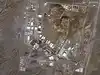
US bombs Iran's nuclear sites: All you need to know about the Iranian facilities that are hit by American strikes
Former U.S. President Donald Trump confirmed that American forces carried out airstrikes on three key Iranian nuclear sites—Natanz, Fordo, and Isfahan—marking a sharp escalation in the ongoing Israel-Iran conflict. Trump described the operation as “very successful,” with Fordo named as the primary target.

Radiological contamination possible inside Iran's main nuclear enrichment facility after Israeli strikes: UN top agency issues big warning
The IAEA chief Rafael Grossi confirmed possible radiological and chemical contamination at Iran’s Natanz nuclear site after Israeli strikes, though radiation levels outside remain normal. Uranium hexafluoride gas inside poses major risks if inhaled. Grossi stressed the need for technical updates from Iran and warned military escalation could delay diplomatic solutions.

IAEA says no damage seen at Iran's Fordow or Khondab nuclear sites
The U.N. nuclear watchdog reports on Iranian nuclear sites. Fordow and Khondab facilities show no damage. Natanz sees no further damage after strikes. However, Isfahan suffers damage to four critical buildings. These include a uranium conversion facility. Also damaged is a fuel plate fabrication plant. No increase in off-site radiation is expected at Natanz or Isfahan.

No sign of breach at key N-site at Natanz: IAEA
Iranian authorities told the IAEA they haven't observed higher radiation doses at the Natanz facility, located about 300 kilometers south of Tehran. Israel hasn't carried out raids against Iran's Bushehr nuclear power plant on the shore of the Persian Gulf, the authorities said. Neither Iran's heavily-protected enrichment site at Fordow, 200 kilometers south of Tehran, or its uranium-conversion facility, 400 kilometers south of the capital, were hit, IAEA Director General Rafael Mariano Grossi said in a statement.

Israel–Iran War: Did Israel level Iran’s main Natanz nuclear facility? Here’s what reports say
Israel's military asserted a decisive strike, Operation Rising Lion, against Iran's Natanz nuclear facility, a critical uranium enrichment site. The IDF claims the operation, involving a 1,500 km flight, aimed to neutralise Iran's nuclear ambitions. However, Iranian officials deny significant damage or casualties in the nuclear facility.

'We are at critical juncture to prevent Iran from acquiring nuclear weapons': Israel Defence Minister
Israel's Defence Minister Israel Katz said the military had built exceptional capabilities to counter Iran's nuclear threat, calling it a top priority. Addressing IDF officials ahead of strikes on Iran, he warned the country was at a critical point to prevent Tehran from acquiring nuclear weapons.
Has Israel’s attack on Iran failed? Fordow nuclear fuel enrichment plant untouched
Israel’s June 13, 2025, attack targeted Iranian nuclear facilities but failed to strike Fordow, a critical enrichment site. Iran’s nuclear program remains resilient without Fordow’s destruction. The strike hit Natanz and killed scientists, but Fordow’s untouched status limits long-term damage to Tehran’s nuclear ambitions.
Iran begins military drills near Natanz nuclear site
Iran's military has commenced nationwide drills, including near the Natanz nuclear facility, involving the IRGC and the army to defend against air threats. This follows heightened tensions over Iran's nuclear program, which has seen increased uranium enrichment, and US suggestions of potential strikes on Iran's nuclear sites.
Here's how CIA and Mossad disrupted Iran's nuclear program using a computer virus
In 2009, the CIA and Mossad launched a cyber operation using the Stuxnet malware to disrupt Iran's nuclear program. The sophisticated virus targeted centrifuges at the Natanz facility, causing significant delays. However, its spread beyond Iran led to global cybersecurity concerns, including in India.
Iran says it enriches uranium to 60% purity at Fordo site
Nonproliferation experts have warned in recent months that Iran now has enough 60 per cent-enriched uranium to reprocess into fuel for at least one nuclear bomb.

Iran names suspect in Natanz attack, says he fled country
Iran named a suspect on Saturday in the attack on its Natanz nuclear facility that damaged centrifuges there, saying he had fled the country before the sabotage happened.
Iranian Foreign Minister says Israel made a 'very bad gamble' by sabotaging Natanz site
Tehran has said an explosion on Sunday at its key nuclear site was an act of sabotage by arch-foe Israel and vowed revenge for an attack that appeared to be latest episode in a long-running covert war. Israel, which the Islamic Republic does not recognise, has not formally commented on the incident.
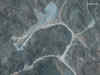
Attack on Iran's Natanz plant muddies US, Iran nuclear talks
Neither Iran nor the U.S. say the incident will crater the negotiations. But the attack and the destruction of a significant amount of Iran's uranium enrichment capability add uncertainty to the discussions set for Tuesday in Vienna.
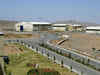
Explained: Iran atomic sites targeted by diplomacy and sabotage
The attack Sunday at Natanz comes as world powers try to negotiate a return by Iran and the U.S. to Tehran's atomic accord. The sabotage threatens to upend those negotiations and further heighten regional tensions across the Mideast.
'Suspicious' blackout strikes Iran's Natanz nuclear site
As Iranian officials investigated the outage, many Israeli media outlets offered the similar assessment that a cyberattack darkened Natanz and damaged a facility that is home to sensitive centrifuges. While the reports offered no sourcing for the evaluation, Israeli media maintains a close relationship with the country's military and intelligence agencies.
Load More

