
MINERAL WATER

Bisleri cites independent lab tests to dispute FSSAI findings in Bengal case
Bisleri International has disputed regulatory findings by FSSAI regarding its water sample quality from West Bengal. While FSSAI found coliform bacteria and sanctioned prosecution, independent tests showed compliance with safety standards. The company recalled the affected batch but urged FSSAI to investigate discrepancies between findings. This case comes after a similar issue in Goa involving bromate levels. FSSAI has intensified surveillance of packaged drinking water manufacturers across the country.

FSSAI finds second Bisleri water sample unsafe, asks firm to stop batch sale: Report
Indian authorities have identified unsafe levels of coliform bacteria in a batch of Bisleri water. Following this finding, Bisleri has recalled the affected batch per government instructions. The company claims independent tests show their water meets safety standards. The Food Safety and Standards Authority of India plans further testing on bottled water companies. Bisleri continues to work with regulators to clarify the discrepancies in test results.

Bisleri in fresh trouble after FSSAI finds bacteria in West Bengal sample
Food regulator FSSAI has taken legal action against Bisleri International for unsafe drinking water samples collected from its plants. The West Bengal facility tested positive for coliform bacteria, which can contaminate water supplies. This marks the second prosecution instance this week as an earlier Goa sample was also deemed unsafe. FSSAI is intensifying scrutiny of packaged drinking water across the country to ensure compliance with safety standards.

Govt orders tougher surveillance of packaged water, scrutiny set to cover PepsiCo, Coca-Cola
India's food regulator has issued a directive to strengthen oversight and surveillance of the packaged water industry. The decision follows reports of unsafe conditions in Bisleri, the top bottled water brand. State officials are instructed to conduct routine inspections and enforce compliance for safe drinking water. Bisleri is facing prosecution for violations of food safety laws and the scrutiny will extend to other major brands.

Govt panel bats for GST, corporate data to sharpen state, district GDP numbers
A government-appointed panel has recommended using state-wise GST returns, corporate filings and government expenditure records to improve state and district GDP estimates. The proposed overhaul seeks to replace fixed ratios and proxies with direct data, while incorporating household consumption surveys, labour force statistics and local production indicators.

FSSAI collects packaged drinking water samples for quality checks; action not for creating panic: CEO
FSSAI is conducting nationwide sampling and quality checks of packaged drinking water, with laboratory results expected in one to two months, CEO Rajit Punhani said. The drive follows a failed Bisleri sample that led to prosecution being sanctioned. The regulator said its enforcement measures aim to ensure compliance, not create panic.

FSSAI tells states to step up sampling, enforcement against packaged water firms
FSSAI has directed state authorities to enhance monitoring of packaged drinking water for quality compliance. The recent regulatory action followed concerns regarding Bisleri International's packaged drinking water quality. Authorities must conduct inspections and maintain detailed records of sample testing. FSSAI emphasizes the importance of adhering to the FSS Act to ensure food safety. Bisleri International has claimed that their product is safe and will work with regulators.

FSSAI on pan-India enforcement drive on packaged drinking water, lab test to take 1-2 months: CEO
FSSAI is collecting samples of packaged drinking water from across India, with laboratory testing expected to be completed within one to two months, CEO Rajit Punhani said on Wednesday. The regulator will also begin inspecting food packaging materials to ensure they meet food-grade standards.
Bisleri action puts packaged water industry's quality standards under scrutiny
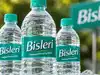
FSSAI has initiated prosecution against Bisleri after a non-compliant sample was found, raising industry concerns. Increased scrutiny now extends to other packaged water brands, including Coca-Cola's Kinley and PepsiCo's Aquafina. Experts suggest this regulatory action may enforce stronger quality controls and improve consumer safety across the sector. Regulatory oversight has been historically weak, allowing substandard products to enter the market.

In 1985, Minnesota began burying shredded old tires beneath weak logging roads; by 1994, seven test sites had shown the waste could work as lightweight road fill
In Minnesota, engineers have utilized shredded tires as a lightweight material for road construction over unstable soil. This innovative approach addressed the dual issues of waste management and road stability, allowing for better support on weak ground. Seven test sites demonstrated significant reductions in road settlement compared to conventional materials, leading to improved performance in damp conditions.
How to identify unsafe packaged drinking water: What to check before buying and simple tests to do at home
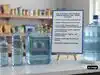
How to check your packaged drinking water for impurities: Following food safety action against Bisleri over a sample that reportedly failed laboratory testing, questions have emerged about how consumers can identify safe packaged drinking water. From checking FSSAI licence numbers and bottle seals to understanding TDS readings and laboratory tests, here are the precautions to take before buying bottled water.

FSSAI tests samples of major water brands, warns of action against violators
FSSAI has inspected major packaged drinking water brands, including Bisleri International, for compliance. They collected samples for lab testing, revealing violations of safety regulations. The authority declared some water unsafe due to bromate limits and contamination by polynuclear aromatic hydrocarbons. Bisleri International insists its water is safe but is cooperating with the investigation process.

Bisleri drinking water safe or not: FSSAI finds bromate level 20% above limit; what are the possible cancer risks? what consumers need to know
FSSAI has sanctioned prosecution against Bisleri International after a water sample from its Goa facility was declared unsafe following tests for bromate and PAHs. Bisleri says subsequent independent tests found bromate within limits. Here is how bromate can form in drinking water, why regulators set a limit and what is known about its health effects.

Bisleri says Goa water sample met safety limits in independent tests after FSSAI flags violations
Bisleri International said independent laboratory tests found bromate levels in a water sample collected from its Goa facility within prescribed limits, contesting FSSAI's findings that declared the sample unsafe. The regulator has sanctioned prosecution against the company after tests flagged bromate and polynuclear aromatic hydrocarbons (PAHs) in the sample.

FSSAI sanctions prosecution against Bisleri after water sample fails safety standards
The Food Safety and Standards Authority of India has taken action against Bisleri International for safety violations. A sample of its packaged drinking water was found unsafe due to high bromate levels. The presence of polycyclic aromatic hydrocarbons was also detected in the product. This action follows laboratory testing conducted on the company's premises for regulatory compliance. Bisleri International is now facing prosecution under the Food Safety and Standards Act.

FSSAI sanctions prosecution against Bisleri International over unsafe packaged water
The Food Safety and Standards Authority of India has sanctioned prosecution against Bisleri International for unsafe drinking water. This action highlights increased scrutiny of packaged drinking water manufacturers by food safety authorities. Inspections and testing have been intensified to ensure compliance with quality standards. The prosecution sanction is a step towards initiating legal proceedings, following violations of food safety norms.

Mineral Marshal: Asim Munir's great grab for Pakistan's resources
Pakistan's military, under Field Marshal Asim Munir, is increasingly involved in mineral resource management. The military seeks to attract foreign investments, particularly from the United States, in the mining sector. Recent political changes in Khyber Pakhtunkhwa have raised concerns about military control over mineral wealth. The military's direct involvement may undermine provincial authority and transparency in resource deals.

In 1909, Kentucky coal camp Barthell had about 350 residents and 41 buildings; after a 1943 fire closed Mine No. 1, the camp was dismantled from 1952 to 1961
Founded in 1902 as a coal mining camp by the Stearns Coal and Lumber Company, Barthell thrived until a devastating fire at the tipple in 1943 led to its decline and eventual dismantling by 1961. Miners were commonly paid in scrip, a currency only valid at company stores. Through oral history and archaeology, Barthell's story is revived, allowing visitors to experience reconstructed buildings and uncover the town's rich history.

India exposes Pakistan's resource exploitation at UN; cites army chief's "mineral box" display
India accused Pakistan's military establishment of exploiting the country's mineral wealth for personal gain and fomenting regional conflict, during a UN Security Council meeting on natural resources and conflict. India's envoy Parvathaneni Harish also linked military involvement in resource extraction to political turmoil in Pakistan and called for greater community participation in resource governance.
Load More


