
MICROGRAVITY EFFECTS ON BACTERIA
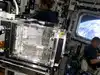
In 2006, NASA launched 75 fruit flies on STS-121 for 13 days; Discovery returned with about 3,000, including a new generation that developed in space
NASA's experiments with fruit flies in zero gravity unveiled significant weaknesses in their immune systems. Observations indicated these flies produced fewer specialized immune cells and exhibited a diminished ability to combat bacteria. Further investigations demonstrated that their responses to fungal infections were also altered in space. These discoveries illuminate potential immune function disruptions among model organisms during spaceflight, raising important concerns for upcoming long-duration human space missions.
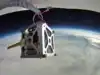
In 2010, NASA launched a 12-pound, loaf-of-bread-sized satellite with two Bacillus populations; radiation exposure reached about 15 times that of the ISS orbit
NASA's O/OREOS mission embarked on an exciting journey to observe how bacteria withstand the rigors of space radiation. The compact satellite, about the size of a loaf of bread, zipped around Earth’s magnetic poles, subjecting dried bacterial spores to intense radiation over several months. While initial germination and growth were sluggish and ultimately showed abnormalities, the mission confirmed that nanosatellites are viable platforms for conducting autonomous biological research in space.
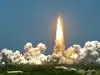
NASA sent Pseudomonas aeruginosa on shuttle Atlantis to space, where it formed denser biofilms with an unusual “column-and-canopy” structure
In groundbreaking space experiments, bacteria grown in synthetic urine were sent aboard the Atlantis space shuttle on two occasions. These microbes exhibited enhanced colony density and distinctive formations not observed on Earth. Spaceflight significantly amplified biofilm development in Pseudomonas aeruginosa, presenting major challenges for prolonged space missions and life support systems. Studying these bacterial modifications is crucial for future human exploration beyond Earth.
In 1968, two Afghan tortoises who beat humans to the Moon lost 10% of their weight - They flew around the moon on Soviet Zond 5 and returned alive 3 months before Apollo 8
In September 1968, two tortoises made history as the first animals to orbit the Moon and safely return to Earth aboard the Soviet Zond 5 spacecraft. Their remarkable journey proved that living beings could endure the harsh conditions of deep-space travel, although they experienced a ten percent body weight loss. This pioneering mission laid the groundwork for human exploration beyond our planet.
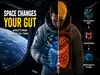
52 astronauts left Earth for months in orbit, and within weeks their gut bacteria changed how they processed food, revealing why spaceflight can trigger constipation and potentially affect brain health
Constipation in space is more than an uncomfortable side effect. Astronauts often face it during long missions, but scientists have not fully understood why. Now, blood tests from 52 astronauts reveal a possible clue. Their gut bacteria began fermenting more protein within weeks of reaching the International Space Station. The finding links microgravity, slower intestinal movement and gut microbiome changes, offering new clues for future Moon and Mars missions.
In 2006, NASA grew Salmonella in space; the bacteria returned more virulent than genetically identical germs cultivated on Earth
In a striking discovery, researchers found that Salmonella bacteria cultivated in space exhibited a heightened level of aggression, proving to be three times more hazardous than those on Earth. The unique microgravity environment mimics human digestive processes, providing insights into how these pathogens evolve. This vital research is poised to enhance the development of effective vaccines and treatments for various infections, marking a leap forward in medical science.
- Go To Page 1
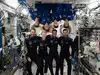
Axiom-4 Mission: Day-to-day update of what Shubhanshu Shukla “Shux” and crew did in space
Axiom-4 Mission: Shubhanshu Shukla and crew are preparing to leave the International Space Station on July 14. They will return to Earth after their Axiom-4 mission. The mission involved extensive space research and experiments. Commander Peggy Whitson led the Ax-4 mission. The crew conducted studies on muscle degradation, plant growth, and brain function.

Indian astronaut Shubhanshu Shukla to grow crops, study water bears at space station next month
Indian astronaut Shubhanshu Shukla will conduct seven experiments at the International Space Station during the Axiom Mission-4. These experiments, in collaboration with NASA, ESA, and others, will study water bears' resilience, microgravity's impact on algae and muscle regeneration, and the feasibility of growing crops in space.
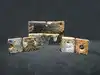
IISc team's bacteria-based method may help repair cracked bricks on Moon
Researchers from the Indian Institute of Science (IISc), Bengaluru have developed a method using Sporosarcina pasteurii bacteria to repair cracks in bricks used on the Moon. The bacteria-based slurry strengthens the bricks by converting urea into calcium carbonate and guar gum, making the structures more resilient to extreme lunar temperatures.

IISc researchers develop bacteria to repair bricks in space; samples to be sent onboard Gaganyaan
A sample of the bacteria may now be sent to space as part of the Gaganyaan mission to study its behaviour in microgravity. With India planning future manned lunar missions, this development could play a crucial role in developing sustainable, self-repairing habitats on the moon.
SpaceX rocket carrying AI research blasts off for space station
Washington, June 29 (IANS) A SpaceX Dragon spacecraft loaded with about 2,600 kgs of research and supplies, including experiments investigating cellular biology, Earth science and Artificial Intelligence (AI), lifted off on a Falcon 9 rocket on Friday from Cape Canaveral Air Force Station in Florida.
NASA to launch E. Coli into space to study antibiotic resistance
Washington, Nov 11 (IANS) To study microgravity's effect on bacterial antibiotic resistance, scientists are set to send E. coli, a common bacterial pathogen linked to urinary tract infections and foodborne illnesses, to the International Space Station (ISS).
'Superbug on ISS will help NASA understand its mutation'
New York, Feb 19 (IANS) Sending an antibiotic-resistant superbug to a zero-gravity environment like the International Space Station (ISS) will help NASA better understand how superbugs mutate to become resistant to available antibiotics, an India-origin researcher has said.
Load More

