
LOW SUGAR BEVERAGE
India's non-alcoholic beverage market to grow 13% annually to Rs 2.56 lakh crore by FY30: Report
India's non-alcoholic ready-to-drink beverage market is projected to grow at around 13% annually to reach Rs 2.56 lakh crore by FY30, according to a Dolat Capital report. Rising demand for energy drinks, protein-based beverages and advanced hydration products is driving the shift towards functional and health-focused drinks, prompting consumer goods companies to expand their portfolios.

SC tells FSSAI to tighten food labels, sets four-month deadline for draft rules
The Supreme Court mandated that FSSAI create a single-phase front-of-pack nutrition labeling regime. It ordered separate hexagon-shaped warning labels for high salt, sugar, and fat on food packaging. Each hexagon must occupy a specific portion of the display panel to ensure visibility. The court also emphasized the importance of evidence-based nutrient thresholds to improve consumer awareness. Lastly, nutritional literacy initiatives should be integrated into school curricula to enhance understanding.

Hexagon makeover: SC directs FSSAI to implement new front-of-pack warning labels for packaged food
The Supreme Court instructed the FSSAI to implement nutrition labelling. This labelling is targeted at packaged products that contain high levels of sugar, salt, and fat. The court emphasized the need for a structured timeline to ensure compliance from food companies. Furthermore, FSSAI must clearly define ultra-processed foods to avoid confusion. The regulations aim to assist consumers in making informed dietary choices while shopping.
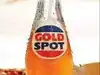
Coca-Cola to bring Gold Spot back in low-sugar form
Coca-Cola India has announced the return of its orange carbonated drink, Gold Spot, after 26 years. The brand will be re-launched as a low-sugar beverage for consumers. Gold Spot is aimed at appealing to a new generation, according to Coca-Cola's category head for sparkling flavors. Coca-Cola originally acquired Gold Spot, along with other brands, in 1993 from Parle Bisleri owner Ramesh Chauhan.

MS Dhoni takes his car out for a hill drive, Sakshi shares photo with Gold Spot cans: What connects the two viral pictures?
MS Dhoni's scenic drive through Jharkhand's Patratu Valley and a Gold Spot can featured in wife Sakshi's 38th birthday Instagram post have caught fans' attention. While the video offers a glimpse of the former India captain's outing with Sakshi, the nostalgic orange drink has sparked curiosity amid reports of its return to India after 26 years. What connects the two viral moments, and why is Gold Spot back in the spotlight?
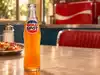
Coca Cola plans a fanta-stic move to hit the Gold Spot in fight with Reliance's Campa
Coca-Cola is set to relaunch Gold Spot, the orange-flavored drink, after 26 years of discontinuation. The new version aims to avoid competing directly with Coca-Cola's existing product, Fanta. The company plans to introduce a low-sugar or no-sugar formulation in response to changing consumer preferences. Market dynamics have shifted significantly, allowing room for new and returning brands. Coca-Cola's strategy includes distinguishing Gold Spot to appeal to evolving consumer choices.
- Go To Page 1
After 26 years, Coca-Cola to revive orange fizzy drink Gold Spot
Coca-Cola plans to relaunch Gold Spot as a low-sugar beverage after a 26-year hiatus. The revival aims to meet the growing demand for healthier drink options among consumers. Sales of Coca-Cola's low-sugar drinks have more than doubled in this past year. The Indian beverage market is facing intense competition from new entrants and established rivals. Gold Spot is expected to hit the shelves starting next week after anticipation builds.

Caught between costly inputs and cautious buyers, India Inc takes a hit
Companies in India's consumer goods, automobile, and paints sectors are increasing prices to offset rising costs. The West Asia conflict has severely impacted input and logistics expenses across various industries. While some companies have raised prices, they are still absorbing part of these costs to maintain demand. Consumer giants like Hindustan Unilever and Asian Paints report pressure on their margins despite price hikes.
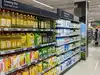
Front-of-pack labelling: Food CEOs rush taste tweaks as new rules loom
Packaged food companies in India are responding to regulatory pressures by introducing no-added-sugar and low-salt alternatives. Executives recognize the challenge of maintaining taste while making these healthier options. The Food Safety and Standards Authority of India plans a major change in food packaging regulations. These changes could significantly impact the sale of everyday packaged products. Companies will likely expand their product variants to meet health demands.

These mid-caps have ‘strong buy’ & ‘buy’ recos and upside potential of up to 28%, according to analysts
Global markets on Wednesday celebrated the outcome of the US mid-term election as well as a sharp drop in oil prices. Oil prices, which at the end of last week were at about $118 to the barrel, are now under $95. The hope clearly is that Democrat control of both chambers of the US Congress will pressure the Trump administration to pursue a diplomatic end to the conflict with Iran in the Gulf.

Coca-Cola HBC raises 2026 revenue growth forecast on strong demand
Coca-Cola HBC has upgraded its annual organic revenue growth outlook, driven by successful pricing strategies and heightened consumer demand. In the third quarter, the company achieved a notable 9% organic revenue growth, surpassing the anticipated 8%. This surge was propelled by effective promotional initiatives tied to the FIFA World Cup and increased summer demand.
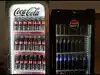
Zero-sugar drinks hit the sweet spot as sales double for PepsiCo and Coca-Cola in Sept qtr
During the July-September 2026 quarter, consumer demand for zero-sugar and low-sugar beverages significantly increased across India. PepsiCo reported that sales of its low-sugar drinks doubled, while Coca-Cola also experienced similar gains. Companies are prioritising the production of low-sugar beverages to meet the rising market demand.

ITC flags illicit trade pressure on cigarettes; digital-first businesses grow over 70%
ITC Ltd has reported a significant increase in its digital-first and organic FMCG portfolio, achieving over 70% year-on-year growth. However, the company is facing considerable pressures due to rising illicit cigarette trade and increased taxation impacting legal volumes. The fresh food segment has also expanded significantly, reflecting ITC's focus on organized markets. Additionally, challenges in West Asia have disrupted agricultural exports, although value-added products showed better performance.

Varun Beverages Q3 net profit rises 13% YoY, but margins fall
Varun Beverages recorded a substantial net profit increase of 13.5% for the quarter ending September 2026. Although there was strong revenue growth attributed to both local and international sales, the company's shares dropped because of shrinking operating margins. Challenges arose from heightened packaging costs and sugar price surges affecting gross margins. Additionally, Varun Beverages solidified its partnership with PepsiCo, extending their licensing agreement through 2049.

Max Healthcare to add 209 beds with Rs 415 crore capex; Q2 network profit rises 10% to Rs 448 crore
Max Healthcare has approved a significant capital expenditure to expand bed capacity at its hospitals. The investments include adding 209 beds at three different locations to meet healthcare demands. BLK-Max Hospital will also feature a new multi-level parking tower as part of the expansion. In addition, the network's operational bed capacity has increased substantially over the past year. This expansion reflects the growing need for quality healthcare services across India.
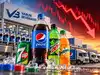
Varun Beverages shares fall over 4% as Q3 margin pressure weighs despite a 33% YoY revenue growth
Varun Beverages reported strong Q3 CY2026 revenue, profit and volume growth, but its shares fell as higher packaging costs weighed on margins. EBITDA margin declined 140 basis points year-on-year, while the company announced an interim dividend of Rs 0.50 per share.

Low-sugar fizz, high-cost squeeze: Varun Beverages battles margin pressure
Varun Beverages reported a contraction in gross and EBITDA margins during Q3 CY2026 despite strong revenue growth. The company's revenue from operations increased significantly, driven by robust sales volumes and premium product offerings. Higher packaging costs and a rise in costs of raw materials negatively impacted their margins. However, the shift towards low-sugar products positively influenced sales volume contributions.

These large-caps have ‘strong buy’ & ‘buy’ recos and an upside potential of over 25%, according to analysts
At this juncture, what companies say about their Q2 results, and their outlook for Q3 and Q4, matters a great deal – but only to a certain extent. A company can plan only for what is in its control. No management can predict what the US President will decide, or which way the trouble in the Gulf will turn next.

Is your favourite diet soda really safe? How it effects weight loss in comparison to water, revealed in new study
A new two-year study has challenged concerns about diet soda and weight gain, finding that adults who drank diet beverages lost a similar amount of weight to those who drank water. But does that mean your favourite sugar-free drink is safe? Research has also linked artificial sweeteners to potential health risks, including diabetes and cardiovascular problems. Here is what the latest findings reveal and why the debate over diet soda is far from over.

Harvard experts recommend 7 foods to reverse your pre-diabetes and prevent it from turning it into diabetes in long term
Prediabetes signals elevated blood sugar that can progress to Type 2 diabetes. To counter this, experts recommend adding seven key foods to your diet. Focus on non-starchy vegetables, lean proteins, fresh fruits, and whole grains to help regulate blood sugar. Including low-fat dairy and healthy fats can enhance insulin sensitivity. Moreover, staying hydrated through water and unsweetened beverages promotes overall metabolic wellness.

FMCG revenues to rise in Q2, but costs could dent margins
India's FMCG sector is poised for a substantial revenue boost in the upcoming September quarter, with growth projected in double digits. This rise is attributed to an increase in both product volume and strategic pricing tactics across diverse categories. However, the ongoing surge in raw material costs, particularly for items like sugar and edible oils, may exert pressure on profit margins.

These large- and mid-cap stocks can give more than 20% return in 1 year, according to analysts
The mayhem in the market is likely to continue, at least for the short-term. Nothing has changed in terms of the known headwinds: The US-Iran war continues in fits and starts, oil prices are still elevated, US bond rates remain high, and global supply chains continue to be disrupted. With the calendar year-end approaching, however, there is a technical factor that has entered the mix.

Looking beyond 2026: 5 mid-cap stocks from different sectors with upside potential of up to 22%
After a long run of red days, the screen finally turned green on Tuesday. And for once it is not just the big names, the broader market joined in too. One or two companies have put out early numbers for the quarter, and those have been better than expected. After weeks of watching stocks drop, it is the most natural thing in the world to look at a day like this and feel that the worst is behind us. That would be a mistake, however.
Starbucks sued over 'sugar-free' claims for protein beverages
Consumers accused Starbucks of trying to capitalize on the desire of 75% of Americans to reduce or eliminate sugar consumption. They also said Starbucks failed to provide federally required disclaimers that the protein beverages are not low-calorie food or meant for weight control.
Caffeine clash: Starbucks slayer now brews a global coffee blend
Luckin Coffee is looking to expand into Gulf countries with a focus on local tastes and preferences. The company's recent $1 billion investment from Mubadala signals strong institutional support for its growth strategy. After previously overcoming an accounting scandal, Luckin aims to replicate its successful model from China. The venture into the Gulf marks a strategic test of its adaptability in different markets.

Rs 4 lakh crore loss! Why India's storied consumer stocks are languishing near the bottom in 2026
In India, major consumer stocks have suffered a staggering drop, with market values plummeting by nearly Rs 4 lakh crore. Even with an uptick in demand, FMCG firms like ITC and Hindustan Unilever are facing profound losses in market cap this year. Rising input costs, despite signs of consumption recovery, are tightening margins.

460-calorie coffee vs 415-calorie breakfast: Delhi nutritionist shares morning breakfast swap that can keep you full for hours
A balanced breakfast offers better daily energy and focus than sugary coffee, claims Delhi nutritionist Lovneet Batra. Nutrient-rich meals provide essential vitamins and minerals alongside calories. Complex carbohydrates and fibere promote sustained energy release and fullness. Protein from sources like sprouts and yoghurt enhances meal satisfaction. Prioritizing whole foods creates a healthier start to the day.
Sustainability programme driving growth, India key to global expansion, says PepsiCo
PepsiCo is taking its sustainability push deeper in India, from helping farmers and cutting water use to shifting packaging and transport. Its PepsiCo Positive programme now spans 36,000 farmers across 14 states, while EV trucks, low-sugar beverages and regenerative farming show how the company is trying to make sustainability part of everyday business.

Food and beverage cos rush to revise recipes ahead of warning labels
Food and beverage makers are proactively reducing sugar, salt, and fats in their products. This reformulation effort is happening well before the government's final labelling verdict. Companies are accelerating these changes, fearing negative sales impacts from proposed warning labels. Multinational corporations are also reducing ingredients ahead of global headquarters' mandates. This strategic shift aims to comply with upcoming regulations and consumer expectations.
Load More

