
LANTIDRA
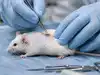
MIT scientists implanted oxygen-producing devices with insulin-making cells in mice and rats; the cells remained active for at least 90 days and helped control blood sugar
A groundbreaking study reveals a new wireless device aimed at improving diabetes treatment by fostering the functionality of insulin-producing cells. This innovative technology enables these cells to effectively produce insulin for as long as 90 days in rodents. Enhancements in waterproofing and electronics have boosted the device's performance, with researchers striving to extend its operational life to two years, paving the way for advanced cellular therapies in diabetes management.
A cure for type-1 diabetes is within reach: Breakthrough stem cell therapies show promise in 2025
Hope is on the horizon for Type-1 diabetes patients. New stem cell therapies are showing remarkable progress. These treatments aim to replace damaged insulin-producing cells. Landmark approvals and advanced trials are underway. Patients may soon achieve insulin independence. This offers a future free from daily injections. Challenges remain, but optimism for a cure is high.

