
IRANIAN OIL SANCTIONS
Iranian officials say midterm results show US voters have rejected Trump's war
Concerns about the war's effects, particularly frustration over rising prices for fuel and other goods in the U.S., helped Democrats win control of both chambers of Congress in Tuesday's vote.

Thousands mock Trump's midterm setback at Tehran rally
Thousands participated in an anti-American rally in Tehran following the recent US midterm elections. Demonstrators chanted slogans and displayed banners denouncing the US and Israel, highlighting ongoing tensions. Iranian officials connected the results of the elections with the rising cost of living and the conflict with Iran. The annual event commemorates the 1979 takeover of the US embassy in Tehran.
Iran US War to resume in full scale in Middle East? American strikes in Strait of Hormuz on Midterm election results day raise fears
Iran US war: Thousands of U.S. troops remain in the waters off Iran to maintain a naval blockade aimed at preventing tankers carrying Iranian oil from reaching the global market. Another aircraft carrier and thousands of additional troops are also on their way to the Middle East.
Trump set for midterm test: What's in store for India, Iran, Ukraine after November 4?
US midterm election 2026: American voters' sentiments about rising prices could affect Trump's standing in trade discussions. Congressional control will determine the scrutiny over Trump's actions regarding Iran and Ukraine. India will, however, continue navigating uncertainties in trade relations regardless of the election results.

Iran's Khamenei gives Pezeshkian government ‘certain powers’ for US peace talks: Report
Iranian President Masoud Pezeshkian announced the Supreme Leader granted the government powers for talks with the United States. Following foreign ministry comments, Iran indicated communication with Washington via mediators is underway. Reports emerged of secret US strikes on Iranian positions to deter aggression in the region. Iran proposed a two-day plan for reopening the Strait of Hormuz while setting conditions for negotiations.
Tehran's negotiators leave Doha with no breakthrough in talks
Amid fears the conflict could reignite after Tuesday's midterm elections in the United States, China and Russia both spoke out on Monday against the possibility of renewed military action in a war that has hit the global economy.
- Go To Page 1

Araghchi says Iran, Qatar propose reopening Strait of Hormuz within two days if US meets Tehran's conditions
Iran is currently in talks with Qatari mediators to reopen the Strait of Hormuz in two days. The country's Foreign Minister Abbas Araghchi outlines several conditions related to sanctions and military presence. Tehran insists that these conditions must be met before any negotiations can proceed. Washington's communication with Iran has reportedly shown a positive shift, indicating a possible framework for dialogue.
Iran-US war to erupt again? Iranian Supreme Leader Warns US, Israel but Tehran offers Strait of Hormuz deal
Iran’s Supreme National Security Council head said that he has not responded to a letter from U.S. Vice President JD Vance and that “the tone has completely changed.”

EAM Jaishankar slams sanctions, chokepoints disrupting global energy trade, holding prices hostage
S Jaishankar highlighted the challenges posed by disruptions in global oil supplies during the G20 meeting. He pointed out that the current energy crisis results from unpredictability and significant disruptions. Jaishankar emphasized the need for the G20 to ensure that energy markets remain open and predictable. He also mentioned India's efforts in critical minerals and the necessity for reliable energy supplies.
Mediators from Qatar return to Tehran to broker peace
Qatari mediators arrived in Tehran to support ongoing negotiations between the US and Iran regarding nuclear issues. US President Donald Trump expressed optimism that the conflict with Iran would conclude soon. However, he did not elaborate on how the resolution would take place during the upcoming elections. Iran maintains its stance on nuclear demands while seeking relief from economic sanctions imposed by the US.
Who sent $2 bn military equipment to Iran past US blockade? More than 5,000 agencies
Iran has developed a clandestine network involving over 5,000 agencies to import military equipment and evade sanctions. This network functions despite ongoing US naval blockades and sanctions since the war began. Extensive investigations reveal significant transactions and military logistics supporting their activities. The secretive agencies have been linked to the Islamic Revolutionary Guard Corps and elite controlled businesses.
US Iran war: Tehran says discussing plan with mediators to end war, reopen Strait of Hormuz
Iran's Foreign Minister Abbas Araghchi stated that Tehran is negotiating a seven-day plan for peace and stability. The plan aims to reopen the strategic Strait of Hormuz and involve crucial conditions like enforced ceasefire. Regional mediators, particularly Qatar, are facilitating communication to revitalize US-Iran discussions and prevent ongoing conflict. The proposal also includes demands for sanctions relief and asset unfreezing, which remain unresolved.
Iran security chief meets Supreme Leader after talks with Mecca pact countries
Mohsen Rezaei recently met with Ayatollah Mojtaba Khamenei following discussions with representatives from Saudi Arabia, Turkey, and Pakistan. These high-level talks aimed to de-escalate the ongoing Middle East conflict initiated by US and Israeli attacks on Iran. Khamenei emphasized the need to safeguard Iran's interests and control over the Strait of Hormuz during their conversation.
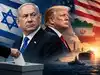
If Netanyahu loses, what happens next in the US-Israeli war on Iran?
Benjamin Netanyahu's upcoming election holds significant implications for Israel's policy on Iran. Depending on the election's result, the country's military posture towards regional adversaries could drastically change. Gadi Eisenkot might keep applying pressure on Iran, but a new leadership could prefer a diplomatic stance. This fluid political atmosphere presents opportunities for potential negotiations, underscoring the nuanced relationship between military action and foreign diplomacy in the region.

Iran claims Strait of Hormuz control, warns US warships against entering Persian Gulf amid fresh strike threat
Iran has declared full control over the strategic Strait of Hormuz and warned against US military entry. Meanwhile, US officials hinted at the possibility of an imminent strike on Iran amid ongoing diplomatic efforts. Iranian military leaders have dismissed claims of weakened military capabilities and questioned US assertions about Iran's nuclear facilities. Reports indicate that two supertankers recently experienced accidents in the region, although details remain unverified.
Oil exports from Persian Gulf 'surpassed pre-conflict levels', claims US Treasury Secy Bessent
US Treasury Secretary Scott Bessent announced that oil exports from the Persian Gulf have exceeded pre-conflict levels. This development occurred despite ongoing Iranian threats to disrupt energy shipments to global markets. Iranian state media reported two supertankers struck a naval mine near the crucial Strait of Hormuz. The situation escalated with US Ambassador Tom Barrack indicating a potential military strike against Iran.

US sanctions have India cornered. BRICS charts an escape route
US sanctions have significant implications on international trade, especially concerning countries like India. As BRICS countries explore alternative payment systems, the renminbi could become an attractive option. This change might reduce reliance on the US dollar and offer nations more strategic autonomy. The recent discussions emphasize the importance of cross-border interoperability and local-currency settlements among BRICS members. These developments highlight a potential shift in global economic power dynamics.
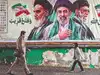
Iran asks US to prove it wants peace by lifting blockade
"Iran is prepared to give diplomacy another chance if we see strong evidence of a sincere desire on the part of the US to achieve a just and honourable solution to permanently end this conflict," Foreign Minister Abbas Araghchi wrote in an op-ed in the Financial Times.
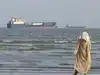
Iran keeps Strait of Hormuz reopening offer on table, says path depends on US
Iran's Foreign Minister Abbas Araqchi confirmed that an offer to reopen the Strait of Hormuz is still valid. This proposal involves several conditions, including the lifting of US sanctions on Iran's oil exports. Araqchi emphasized that negotiations have stalled due to Washington's focus on Iran's nuclear program. US officials have called for Iran to reduce uranium enrichment to satisfy their demands.
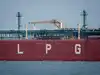
Iran ships some LPG, jet fuel despite US blockade, data shows
Iran has managed to export limited liquefied petroleum gas and jet fuel despite ongoing US naval blockades. The Iranian methodology involves concealing cargoes among shipments from other Gulf producers off Oman, making it challenging to monitor. Shipping data indicates that a limited number of gas tankers have left the Gulf of Oman since mid-July. The US military maintains that its blockade is effective, consistently monitoring vessel activities.
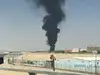
How are Yemen's Houthis attacking Saudi Arabia so effectively?
Houthi attacks on Riyadh airport and Saudi Aramco’s headquarters have exposed vulnerabilities in Saudi Arabia’s air defences, threatening its ambitions to attract foreign investment and diversify its economy. Experts cited by Reuters point to Iran-backed weapons development, increasingly self-sufficient Houthi production capabilities, depleted US interceptor stocks and the group’s growing combat experience.
US considers removing sanctions on some shadow fleet vessels to cut freight rates, official says
Discussions are ongoing regarding potential sanctions relief on shadow fleet vessels transporting legal oil and products. Companies would need to apply to the US Treasury for approval to buy these vessels. Although sanctions may be eased, freight rates are not expected to drop significantly. High tanker freight rates remain a concern for the administration amid inflation and supply issues.
US announces new Iran-related sanctions targeting 16 people, 10 entities
The United States has imposed sanctions on 16 individuals and 10 entities connected to Iran's financial operations. US Treasury Secretary Scott Bessent stated that these measures target Iran's military funding sources and financial networks. The sanctions aim to dismantle offshore banks and shadow financiers aiding Iran's economy. Entities like the International Development Bank for Investment and Finance have been implicated in supporting Iranian activities.
Trump's shadow fleet loophole: Easing US sanctions on oil tankers may not lower fuel costs
In an effort to address soaring shipping costs, the Trump administration is evaluating the possibility of easing restrictions on sanctioned vessels. These limitations have heavily influenced rising tanker freight rates, affecting the dynamics of global oil markets. The proposed changes aim to clarify the vessels eligible for transporting legally traded crude and refined products, though challenges may arise that could undermine the effectiveness of this initiative.

Pump price before politics: Is Trump's Russian diesel purchase a necessary compromise or blatant hypocrisy?
Recent actions by Donald Trump to secure Russian diesel imports highlight the complexities of US energy policy, balancing domestic fuel prices against geopolitical strategies. Despite urging allies not to buy Russian oil, the US continues to navigate a delicate landscape where affordable fuel remains a political priority ahead of the midterm elections.

Iran shifting tactics to step up attacks on shipping before US vote: Officials
Iran has begun using new offensive tactics against vessels in the Strait of Hormuz and nearby waters. This strategy aims to limit oil shipping and influence the upcoming US midterm elections. Reports indicate an increase in maritime attacks near the strait, signaling a potential escalation of tensions. Iranian officials have warned of possible complete closure of the strait to violating vessels.
Iran-US War to escalate before US midterm elections in November? Experts claim Tehran's new tactics to control Strait of Hormuz
Iran-US War: US President Donald Trump has been weighing next steps against Iran, but has said he will not attack again before the vote. The war — and its $3 billion monthly price tag — has become a key issue on the US campaign trail for November's midterm elections, which will decide control of Congress.
Trump and Iran agree on one thing. The US election calendar isn't driving their decisions on the war
Trump and Iran both say the November 3 US midterms are not driving their decisions on the seven-month war, even as the conflict weighs heavily on American voters through high fuel prices and inflation. Talks have resumed indirectly, but Iran is demanding sanctions relief and an end to the US oil blockade, while Trump continues to alternate between negotiation and threats of renewed military action.
US imposes fresh Iran sanctions, targets two Mumbai-based firms, 5 Indian nationals
On Thursday, the US sanctioned two Mumbai-based firms and five individuals involved in Iranian petroleum trade. These firms allegedly facilitated imports from Iran. Individuals linked to these companies are blocked from conducting transactions. The sanctions are part of Operation Economic Outcast aimed at curbing Iranian revenue streams. The US also authorized temporary wind-down transactions for Samudra Marine Services until October 23.
Load More

