
IRAN ECONOMY

RBI finally gets uppity, takes a hike
In a proactive move to tackle soaring inflation, the RBI has raised the interest rates by 25 basis points to 5.5%. Despite facing obstacles like fluctuating energy prices, India's economy is projected to show resilience. The central bank's strategy is now one of calibrated tightening, allowing adjustments based on fresh economic insights.
Iraq devalues its currency as Mideast war disrupts oil shipping routes
Iraq has officially devalued its currency from 1,300 dinars to 1,500 dinars to the US dollar. The Central Bank announced this decision following a Cabinet meeting, which aimed to address financial, economic, and monetary needs. There has been a noticeable gap between the official and market rates, which widened due to regional conflicts. The market rate increased significantly after the announcement, reflecting ongoing economic challenges.

World Bank raises India FY27 growth forecast to 7.1%, flags oil, El Niño risks
The World Bank has upgraded India's economic growth forecast to 7.1% for fiscal 2026-27. This change reflects strong domestic consumption, despite ongoing inflationary pressures. Other major forecasters, including Moody's and S&P Global Ratings, have also revised their projections upward. However, elevated oil prices and potential climate-related challenges pose risks to this outlook. The World Bank emphasizes the need for accelerated AI adoption in the region for sustained economic growth.

US services sector cools in September, price pressures building
The US-Israeli war with Iran has raised prices of energy and related products and led to shortages of commodities shipped through the Strait of Hormuz. Diesel prices are at record highs, hitting farmers and truckers. Economists warned that higher prices could soon spill over to other sectors and broaden inflation pressures.
- Go To Page 1
Global Market: OPEC+ keeps November oil output steady as Brent tops $100
Seven major OPEC+ producers agreed to keep November crude output unchanged as the Iran conflict disrupted supplies and pushed Brent above $100 a barrel. Meanwhile, G7 nations plan to release 100 million barrels of oil and refined products, including diesel, to ease energy-market pressures and cushion consumers from soaring fuel costs.
'Iran signed NPT, India did not...situation is very different': Jaishankar highlights distinctions, deepening global energy crises amid West Asia turmoil
External Affairs Minister S Jaishankar said India's non-signatory status under the NPT gives it a different position from Iran, which is an NPT signatory, while stressing that India's immediate concern is the impact of the West Asia conflict on energy and trade. He called for restoring uninterrupted supply and trade flows.

India may be best placed to fill a China-sized hole in fuel exports
India could emerge as a key swing supplier of refined fuels as China suspends October exports, helped by recovering Middle Eastern crude imports and lower Indian fuel-export taxes. With large refining capacity and an export-oriented industry, Indian refiners may be able to step up diesel, petrol and jet-fuel shipments to Asian markets facing tighter supplies.

Iran airlines resume flights to Iraqi holy city after US exemption
Iranian airlines have resumed flights to Najaf, Iraq, following a US exemption allowing sanctioned carriers to operate. The agreement permits 40 daily flights to and from Najaf, excluding Mahan Air, which remains banned. The resumption is crucial for Shia pilgrims traveling to sacred sites in Iraq and Iran.

Nirmala Sitharaman calls for open, rules-based global economic ties amid geopolitical tensions
At the Kautilya Economic Conclave, Nirmala Sitharaman spoke about fostering international trade policies that are not only open but also predictable. She underlined the critical need for nations to communicate effectively to dissolve geopolitical trade barriers. Highlighting the importance of resilience in the global economy, she introduced the National Critical Minerals Mission, stressing strategic autonomy to reduce single-source dependencies amid ongoing global economic turmoil.

G7 nations agree to release 100 million barrels of oil, including diesel, a boost for Trump
G7 nations have agreed to release 100 million barrels of oil over four months to ease soaring fuel prices, with a substantial amount of diesel to be released within the first 20 days. The International Energy Agency will coordinate the releases.
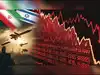
In Graphics: How the cost of Iran war piled up
As crude oil prices rose, India paid more for this critical import even though it got less of it, data shows. Trade with major partners in the region remains affected, households and companies are staring at high inflation, and the govt is footing an elevated subsidy bill.
Iran offers to allow nuclear inspectors if sanctions are eased
Iran's foreign minister Abbas Araghchi proposed nuclear inspectors' access to bolster stalled peace talks with the US. While discussions continued at the UN, Iran faced severe economic challenges due to sanctions and a US naval blockade. Reports indicated the Iranian economy is struggling with high inflation and currency depreciation. President Donald Trump denied offering sanctions relief during these negotiations, emphasizing the US's firm stance.

Donald Trump approval ratings fall to alarming level ahead of November 2026 US midterm elections: Only 17 per cent of American adults now approve Republican President
Donald Trump approval ratings: Only 17 per cent of U.S. adults approve of the Republican president's handling of the cost of living. Just 26 per cent approve of his handling of the economy overall, marking a new low.

US sanctions Iran’s major automakers, rail firms under new rules from October 1
Washington’s latest Iran squeeze runs on wheels: The United States has imposed new sanctions targeting Iran's automotive and rail industries as of October 1. Major Iranian automotive companies such as Iran Khodro and Saipa are on the sanctions blacklist. Additionally, Iranian railway entities including the Islamic Republic of Iran Railway Company have also been sanctioned. This framework allows blocking sanctions on designated companies and individuals in these sectors.
Most Americans blame Trump for high prices as his economic approval hits new low, AP-NORC poll shows
A recent survey reveals that a rising number of Americans are unhappy with how Trump is managing the economy and increasing prices. Citizens attribute the high cost of living to his policies, creating worries about affording essential items. Approval ratings for Trump's economic strategies have plummeted, leading to disappointment even among Republicans.
Warning signs multiply for Trump just a month before the midterms
The Republican Party is entering a challenging political environment as midterm elections approach. Issues related to tariffs and the Iran war are causing economic concerns among voters. Recent polling reveals low approval ratings for Trump's handling of the economy and cost of living. Early voting data indicates stronger Democratic participation compared to previous elections. Republican candidates may struggle to distance themselves from Trump while addressing economic dissatisfaction.

US waives rights curbs on Egypt military aid over Iran war role, clears $320 mn funds
The US State Department waived human rights conditions for Egypt's military aid of over $300 million. This decision aligns with Egypt's support during the US military operation in Iran. For years, Egypt has received about $1.3 billion annually in military aid from the US. There have been previous tensions over human rights issues concerning Egypt's record.

Iran readies harder retaliation if attacked as diplomacy faces long odds
Iran is intensifying its military response planning amid fears of US military escalation in the region. Senior commanders are considering broader targets beyond US-linked assets in their strategic discussions. Diplomatically, Iran has proposed a plan through Qatari mediators to halt fighting and resume oil exports. Economic pressures and fears of unrest within Iran complicate the situation for the leadership.
Trump says he has done a 'bad job' explaining his economic record
Donald Trump admitted to a crowd that he has not effectively communicated his economic achievements to the public. He blamed worsening approval ratings on high gasoline prices and public dissatisfaction with his economic management. Trump argues that the country is performing well despite these challenges, including increased consumer pessimism. His upcoming campaign tour is aimed at reversing unfavorable polling before the November elections.
Iran indicates it received official US response to its latest offer on ending war
The US has formally responded to Tehran's recent war proposal, challenging Iranian officials amidst ongoing economic sanctions that severely impact the nation. Traders indicate a notable dip in the value of the Iranian rial. Iranian Foreign Minister Abbas Araghchi has initiated dialogues about the conditions for reopening the crucial Strait of Hormuz. Yet, the Trump administration's relentless economic campaign against Iran poses significant hurdles to negotiations.

Explained: How the US controls Iraq's oil revenues
US troops are set to leave their last bases in Iraq, but Washington will retain significant economic leverage through Iraq’s oil revenues, which remain held at the Federal Reserve Bank of New York. The arrangement supports financial stability and dollar access, but has also given the US influence over Baghdad and helped enforce pressure on Iran-linked financial networks.

Iran's medicines soar in price as US blockade, sanctions squeeze pharmaceutical supplies
Medication prices in Iran have surged drastically due to US sanctions and ongoing conflict, creating significant hardships. Families are struggling to find essential medications, impacting their financial stability and well-being. Pharmaceutical imports have become increasingly difficult due to naval blockades and sanctions against airlines. The Iranian government is facing pressure to manage healthcare supplies amid concerns regarding shortages.
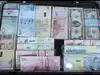
Iran Rial hits record low
Iran's currency, the rial, has fallen to over 2.5 million rials against the US dollar recently. This decline reflects the negative impact of the ongoing conflict in West Asia on Iran's economy. The rial previously hit a record low of 2.2 million to the dollar just 27 days ago. Iranian diplomats indicated that negotiations with the United States concerning the Strait of Hormuz are gaining seriousness.

Trump says US will ‘win’ Iran war soon, leaves door open to strikes before midterms
President Donald Trump is optimistic that the ongoing conflict with Iran will come to a swift conclusion. He indicated that the resolution could lead to a significant reduction in global oil prices. Trump also stated that both military action and economic sanctions are proving effective against Iran. Iranian Foreign Minister Seyyed Abbas Araghchi expressed readiness for a potential war and emphasized Tehran's willingness for diplomacy.
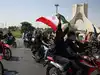
US Iran war: Tehran insists on diplomatic solution after Trump rejects peace plan
Iranian Foreign Minister Abbas Araqchi emphasized that diplomatic solutions are essential for resolving tensions with the US and Israel. US President Donald Trump rejected Iran's proposal for reopening the Strait of Hormuz, suggesting they are desperate for a deal. Despite this, Iranian officials remain hopeful that mediators will convey a definitive response from the US.
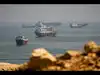
Strait of Hormuz open or closed? What are latest standpoints of Iran and Donald Trump's U.S.?
Tehran has spent long weeks in discussions with Oman, on the other side of the strait, on how to manage shipping traffic. Its new rush for a deal with Washington, analysts said, reflects its eye on the midterms.

Where things stand after Iran's new pitch for deal to open Strait of Hormuz
Iran's president and foreign minister proposed a deal to the US to end fighting and assist diplomacy. They seek the lifting of sanctions, access to funds, and the opening of the Strait of Hormuz. Ongoing indirect talks indicate both sides are willing to negotiate despite rising tensions. The urgency for Iran reflects its economic struggles and the upcoming US midterm elections.
Load More

