
IMMUNE SYSTEM

Why scientists call PJ.2.1 a ‘jump’ variant: The COVID strain that arrived with dozens of mutations at once and spreads by gripping your cells more tightly
A new variant of SARS-CoV-2, named PJ.2.1, was detected in Canada and has spread globally. It has over 25 mutations in its spike protein, which enhance its binding to human cells. Researchers are observing its spread in countries like the US, Spain, and Australia among others. Currently, there is no evidence linking PJ.2.1 to increased severity of illness or hospitalization.

Donald Trump says he sleeps just 4-5 hours a night. What does science say about sleeping less, and how much sleep do Americans need?
Donald Trump reportedly operates on just four to five hours of sleep each night. Research indicates that most adults require seven to eight hours for optimal health. Sleep deprivation raises health risks and affects daily functioning for millions of Americans. Studies show that inconsistent sleep patterns can worsen heart health and increase the risk of serious conditions. Prioritizing a consistent sleep schedule is crucial for maintaining overall well-being.

Can cold showers stop you from getting sick? The 29% finding has a catch
A Dutch trial found that adults who ended their showers cold reported 29% fewer days off work due to illness. They did not report a clear drop in the number of days they felt ill.A 2025 review found no clear short-term effect on the immune measures it examined

'Liquid biopsy can ease financial burden for cancer patients': Scientists on how a $1,000 test could save $10,000 in treatment costs
Liquid biopsy, a blood-based test that detects and analyses cancer-related biomarkers, is gaining ground as a tool to monitor disease progression and guide treatment decisions. Scientists Catherine Alix-Panabieres and Klaus Pantel, who coined the term in 2010, spoke to ET about its growing role in cancer care, the potential to reduce treatment costs through personalised medicine, and the need for more clinical trials to establish its benefits for patients.
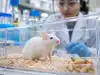
Scientists gave mice an existing asthma drug before exposing them to peanut extract; 95% were protected from severe allergic reactions in the experiment
Researchers at Northwestern University found that the asthma drug Zileuton reduces allergic reactions in mice fed peanut extract. The study indicates that Zileuton could block the inflammation that leads to anaphylaxis. While it works in mice, clinical trials in humans are just beginning. This research highlights a new biological pathway related to food allergies and the immune response.

Walked into a room and forgot why? Harvard-trained doctor shares 8 silent signs your body is under stress
Chronic stress manifests through various subtle indicators, claims Harvard-trained gut doctor Dr Saurabh Sethi. Among the notable symptoms are impaired concentration, a persistent craving for sugary foods, and an increase in abdominal fat. Furthermore, many individuals experience heightened heart rates and occasional memory lapses, alongside digestive irregularities, which highlight the detrimental effects of stress. Early recognition and intervention can mitigate long-lasting health issues.
- Go To Page 1
Ousted Paraguayan President Santiago Pena placed under house arrest after bank collapse; Pedro Alliana sworn in as sudden successor
Santiago Pena, the ousted President of Paraguay, was placed under house arrest on charges of misconduct. His removal follows the collapse of Ueno Bank, affecting nearly half of Paraguay's population. Vice President Pedro Alliana has assumed presidency amidst public outcry for accountability. Regulators seized Ueno Bank, locking depositors out of their accounts and triggering a political crisis. Lawmakers allege Pena abused his political influence regarding Ueno's operations and regulatory oversight.

Buffett reveals what a company director is paid for 6 meetings a year, then asks one question that explains everything
Warren Buffett sat on the boards of 21 companies over 62 years, and in this letter he explains how the people who are supposed to guard your money actually get chosen. He then reveals what the job pays for a few days of work a year, points out that the word independent has come to mean close to its opposite, and names the one thing he looks for in the directors of companies he owns. By the end you will have two questions to ask of any annual report, and nobody in the governance business is going to ask them for you.

Budget 2027–28: ASSOCHAM calls for tax reforms to boost investment, manufacturing, ease of doing business and tax certainty
ASSOCHAM has called for a series of Direct and Indirect Tax reforms in the Union Budget 2027–28 to boost investment, strengthen domestic manufacturing, attract foreign capital and improve ease of doing business.

His grandfather died of pancreatic cancer: This Hyderabad startup founder is using AI to develop a personalised cancer vaccines
Hyderabad-based biotech startup PopVax, founded by Soham Sankaran, is developing AI-powered personalised cancer vaccines using mRNA technology. Inspired partly by his family's experience with pancreatic cancer, he aims to help the immune system identify and attack cancer cells using treatments designed around individual patients' tumour genetics.

Smart fridge, security camera, video doorbell, router, car, thermostat: Everyday devices hackers can exploit and how to protect them
Cyberattacks involving supermarket refrigerators and freezers have raised concerns about the security of everyday internet-connected devices. From smart appliances and security cameras to routers, thermostats and connected cars, several products could be vulnerable to hacking. Here is what cybercriminals could do after accessing these devices and the precautions users can take to protect themselves.
Australian outback data centre pulls timeline after regulator stalls
Startup Energy North, which says it has finance lined up for a sprawling gas and solar-powered data centre on a cattle ranch in the country's remote north, 683 km (424 miles) from the nearest city, had given a "first power" date of June 28, 2028, in regulatory filings four months ago.

Horoscope Today, November 1, 2026: Capricorn Strengthens Partnerships, Aquarius Improves Workflows, Pisces Unlocks Creativity
The Moon transits into Cancer today, activating houses governing public partnerships, daily work routines, and creative self-expression. While Jupiter in Leo inspires confidence and ambitious visions, retrograde Mercury and Venus in Libra call for extra care with joint contracts, daily expenses, and emotional diplomacy. Debilitated Mars urges patience during workplace discussions. Today highlights joint venture alignment for Capricorn, operational workflow efficiency for Aquarius, and creative intellectual focus for Pisces.

Alvin K. Hellerstein, a federal judge who handled Trump, Maduro and 9/11 cases, dies at 92
Alvin K. Hellerstein, a prominent federal judge in Manhattan, has died at the age of 92. He presided over notable cases involving public figures like Donald Trump and Nicolas Maduro. Judge Hellerstein served on the federal bench for nearly three decades after his appointment by Bill Clinton in 1998. He was remembered for his commitment, empathetic approach, and significant rulings regarding 9/11-related lawsuits.

PHP scare sparks calls for urgent corp DPDP audits to plug all gaps
The incidents underline the need to identify gaps in companies’ security practices and clarify what constitutes reasonable safeguards before the law takes effect, they said. The DPDP Act is being implemented in phases, with a May 2027 deadline for full compliance obligations.

Rs 1 lakh to Rs 30,000: Cancer immunotherapy gets cheaper, but will patients get the price benefit?
Cheaper nivolumab biosimilars are expanding access to cancer immunotherapy in India, with one Mumbai oncologist reporting a more than 50% rise in prescriptions over six months. Prices have fallen from over Rs 1 lakh to around Rs 30,000 per cycle, but hospital stocking practices could determine whether patients benefit from lower costs.

Research: Navigating the Business Risks of Changing Pro-America Sentiment
U.S. firms increasingly operate in a marketplace where “Made in USA” is no longer a neutral provenance claim but a charged political signal. A new study analyzing 5,355 companies over twenty years found that pro-America marketing has increasingly shifted from pride-based patriotism to grievance-fueled, us‑versus‑them nationalism. While this can create upsides—new customers, loyalty, pricing power—it also exposes companies to narrative capture, boycotts, and legal scrutiny. To avoid risk, companies must examine their exposure along two axes: domestic embeddedness and symbolic intensity. Leaders must align operations and symbolism, set clear guardrails, and proactively manage meaning drift before others define their loyalties.

Rogue AI agents exposing India’s data law blindspots
As companies edge closer to the May 2027 enforcement deadline for the Digital Personal Data Protection (DPDP) law, AI’s emerging cybersecurity risks are creating tension over what might constitute adequate compliance just six to seven months from now.

Around 5,000 J-K Congress workers to attend 'Vote Bachao, Desh Bachao' rally in Delhi
Around 5,000 Congress members from Jammu and Kashmir are gearing up for a significant national rally at Ramlila Maidan, New Delhi, on November 1. This rally, part of the 'Vote Bachao, Desh Bachao' initiative, aims to confront issues of alleged electoral manipulation, with party officials asserting that the government is compromising the electoral integrity through its control over the Chief Election Commissioner.

Horoscope Today, October 25, 2026: This Full Moon, Libra Must Control Spending, Scorpio Could Find Love and Creative Success, Sagittarius Focuses on Home
The Moon transits from Pisces to Aries at night, shifting focus toward workplace productivity, creative projects, and domestic stability. While Jupiter in Cancer supports long-term growth, the debilitated Sun and retrograde Mercury and Venus in Libra advise reviewing personal spending and agreements. Debilitated Mars in Cancer urges patience. Today highlights operational efficiency for Libra, creative energy for Scorpio, and domestic comfort for Sagittarius.

Arjun Prajapati: This 5-year-old with Vadodara roots started reading before turning 2, has an IQ of 141, ranks in the top 2% and has read 3,000 books
Five-year-old Arjun Prajapati has drawn attention for his exceptional learning abilities, scoring 141 on an IQ test and qualifying for Mensa International and Intertel at the age of four. He reportedly began reading independently at 18 months and has explored more than 3,000 books on subjects including mathematics, astronomy, genetics and human physiology. Despite his advanced interests, his parents want him to learn at his own pace and enjoy his childhood without academic pressure.

Shamonda virus reported in France as patient dies: Why is it deadly, what are its symptoms, treatment and prevention methods?
Shamonda virus: France has reported the first known human case of the Shamonda virus after a patient died in October, raising questions about the potential risks of the infection. Previously associated mainly with livestock, the virus is transmitted by biting midges and has been detected in animals across parts of Europe, Africa and Asia.

Nestle India submits response to FSSAI over Lactogen Pro 1 digestion claim
Nestle India has submitted a response to the Food Safety and Standards Authority of India regarding its product Lactogen Pro 1. The regulator requested scientific evidence for the claim related to whey protein being easy to digest. This follows FSSAI's broader actions against potentially misleading health claims by food manufacturers. The authority raised concerns about claims related to immune support and nutrition for infants.

FSSAI issues notices to Nestle, Zydus over 'misleading' claims
FSSAI flagged Nestle's claim that "5 HMOs helps support normal immune system", saying it could imply that the product was suitable for supporting immunity in relation to a specific physiological condition.

America's $1 trillion annual interest bill is growing as national debt surges, so why isn't the US facing a debt crisis like France?
The United States continues to finance its national debt more effectively compared to France. While both countries face rising borrowing costs, the US dollar's global status provides crucial advantages. Increased federal interest costs are currently impacting public funding for services in America. France's debt challenges are worsened by political divisions and economic stagnation, which restrict fiscal reforms.

Christina Applegate misdiagnosed: What is multiple sclerosis that Christina Applegate was misdiagnosed with?
Christina Applegate was misdiagnosed with multiple sclerosis, a condition affecting her health. Following her original diagnosis in 2021, Applegate has undergone numerous medical evaluations, including MRIs and a spinal tap. Recently, her doctor confirmed she does not have MS, which left her feeling confused and back at square one. Despite this news, she continues to struggle with debilitating symptoms and mobility issues.

'Have courage, and be kind': Sahara Ray's personal mantra that helped her fight back after being hit by a truck travelling at 80 miles per hour
Sahara Ray, an Australian model and swimwear designer, has died at the age of 34. She welcomed her first child, a daughter, shortly before her passing. Ray was known for her swimwear designs and social media presence. Earlier, she faced serious health challenges, including Guillain-Barré syndrome, after a car accident in 2024. Family members confirmed she passed away on October 18.

Who was Sahara Ray? Justin Bieber's ex-girlfriend dead at 34. What did she do for a living?
Sahara Ray, an Australian model and swimwear designer, passed away at 34 years old. Her family confirmed her death on October 19, 2026, to TMZ. Sahara first gained attention in 2016 when photographed with Justin Bieber in Hawaii. She launched her own swimwear label, Sahara Ray Swim, using social media for promotion. Further details regarding the cause of her death have yet to be announced.

Meet Roger Chen and Amit Lakhani, who started Onyx Bio to build a 'virtual immune system'; in 2026, the startup raised $8 million
Onyx Bio is based in Berkeley, California. It announced the funding on October 8, 2026. The round was led by Dimension Capital. It had participation from Haystack, Refactor Capital, Standard and Robot Ventures. The biotechnology startup began in early 2025. The aim was to study how immune systems change over time.
Load More

