
HOUSEHOLD EMERGENCY PREPAREDNESS

'Save yourself': Japan launches new disaster agency, urges citizens to stockpile food and water for seven days
Japan has urged its citizens to stockpile food and water in preparation for potential natural disasters. The government emphasizes individual preparedness due to possible delays in emergency services. Authorities recommend maintaining at least three days' worth of supplies, ideally extending this to one week. The new Disaster Prevention Agency will coordinate disaster management efforts nationwide, focusing on earthquake risks and other emergencies.
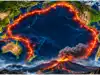
Nearly 200 earthquakes recorded in Pacific Ring of Fire in 7 days: Should you be worried?
Seismic activity is on the rise around the Pacific Ring of Fire, prompting countries to issue emergency preparedness warnings. Within the last week, close to 200 earthquakes measuring 4.5 or greater have been reported. Authorities are advising households to gather essential supplies in anticipation of potential natural disasters. Although guidance is being updated, no direct correlation has been established between these advisories and recent seismic events.
Is the world preparing for war? Why US, UK, Japan and Europe are ringing emergency alarm bells
World War 3 coming? Is the world preparing for war? The governments across the world in the US, UK, Japan and Europe are strengthening emergency preparedness amid rising geopolitical tensions, cyber threats and fears of conflict. Here's what their plans mean and whether the world is preparing for war.

US, Europe, Japan urge households to prepare emergency stockpiles from 7 to 10 days. Here's what you need
In response to various uncertainties, nations such as the United States, the UK, and Japan are encouraging families to build emergency stockpiles. The suggested duration fluctuates from three days to two weeks. Crucial supplies include water, canned foods, medications, and hygiene essentials. Those living in colder regions or with pets may need additional provisions. These preparedness strategies are designed to help households cope during emergencies and social upheaval.

After US's FORTRESS plan and UK's 'Be Ready' campaign, Japan issues advisory for households to prepare for emergencies. Here's all we know
In light of potential natural disasters such as earthquakes, Japan's government encourages its citizens to stock essential supplies for up to three days, emphasizing self-sufficiency during emergencies. Simultaneously, the UK has reintroduced its 'Be Ready' campaign to raise awareness about preparedness for various crises. The US Pentagon is also accordingly planning military bases for 90 days of self-sustainability, highlighting the crucial need for household readiness in unpredictable situations.

UK's chilling 3-day warning: No power, water or internet? Government tells households to prepare for 72 hours without essential services
The UK's new 'Be Ready' initiative aims to boost awareness about emergency preparedness among households for the next three years. Citizens are encouraged to ensure they have sufficient food and water on hand. Additionally, registering for the Priority Services Register is recommended for access to vital support. Over five hundred organizations will collaborate to spread essential emergency preparation tips and strategies.
- Go To Page 1
UK Emergency Alert: Why Andy Burnham's govt is asking people to store food, keep cash at home & prepare for 3 days without essential services
The UK government has launched a three-year 'Be Ready' campaign urging households to prepare for emergencies such as extreme weather, wildfires and cyberattacks. The guidance advises Britons to keep three days' worth of essential supplies, including bottled water, non-perishable food, cash, a torch, spare batteries and a radio, in case essential services are disrupted.

Bottled water, tinned food, radio, cash: UK tells Britons to prepare for emergency
UK Prime Minister Andy Burnham has launched the 'Be Ready' initiative, encouraging households to prepare for emergencies. The initiative recommends keeping essential supplies to last for three days during disruptions. Households are advised to have sufficient food, water, hygiene products, and medical supplies prepared. This campaign responds to concerns regarding extreme weather events and cybersecurity threats affecting essential services.

Don't panic: UK govt tells Britons to 'be ready' for emergencies
UK leader Andy Burnham emphasized the need for better emergency preparedness for citizens during a wildfire summit. The new 'Be Ready' campaign encourages households to stockpile essential supplies for unexpected disruptions. This initiative aligns with ongoing concerns regarding food security and recent cyberattacks impacting major supermarket chains. Burnham's statements follow the approval of controversial drilling plans in a North Sea gas field.
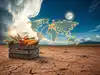
Could a global food crisis take a big bite out of your plate? What the warnings mean for Americans
International leaders are warning of a possible global food crisis. Could American households feel the impact at the grocery store? May, 2026 JP Morgan report quotes: 'Fertilizer shortages can hurt harvests because the timing is unforgiving. A brewing El Niño could layer on additional seasonal climate and weather stress, shifting rainfall and temperature patterns, and bringing weather extremes.'

MacKenzie Scott gave $60 million for disaster recovery. Here's why the years after the headlines matter most
MacKenzie Scott has made a significant $60 million donation to the Center for Disaster Philanthropy for long-term recovery efforts. This unrestricted funding allows the Center to allocate resources as needed based on community requirements. Donations for recovery efforts make up a small percentage of overall philanthropic contributions despite the urgent need. Recovery often takes years, as seen in disasters like the Maui wildfires.
What spooked Europe last week? The rumbles of Russia war grow louder
European nations now discuss potential Russian conflict in new terms. Intelligence suggests hybrid drone and missile strikes could target Ukraine supporters. Leaders are planning for sabotage and cyberattacks below traditional war thresholds. This shift reflects a fear of Russia exploiting grey areas between peace and war. European governments are building resilience and defence capabilities to deter Moscow.

Safebox raises $1.11 million seed round to build India’sfamily wealth protection category
Safebox has successfully secured $1.11 million in seed funding to revolutionize wealth management for Indian families. By focusing on consolidating and protecting diverse financial assets, Safebox tackles the prevalent issue of unclaimed wealth stemming from poor record-keeping. This funding will bolster product capabilities and expedite distribution, ultimately creating a new paradigm in Family Wealth Protection across India.

Psychology says people who keep emergency cash in multiple places may think about future uncertainty differently
Keeping emergency cash in several places may reflect a particular way of managing uncertainty. The person may not expect anything to go wrong. Instead, they feel more secure knowing that if something unexpected happens, they have a backup and more than one option available.

Financial wellbeing at workplace: Planning for retirement, child's education still top challenge for employees; here's how it can change
Financial action is moving faster than financial preparedness among employees, with many investing, exploring new opportunities, and thinking about long-term goals, but still seeking clarity on fundamentals. A survey by financial education firm Finsafe sheds light on this paradox and the role employers can play.

You are probably using Aluminium foil wrong; these clever household uses may surprise you
Aluminum foil is a household hero, providing creative solutions for various tasks. It keeps bananas fresh longer and makes cleaning up after painting much easier. Its multifunctional abilities include reducing static in dryers, stopping grease from causing sink clogs, expediting ironing, and revitalizing dull scissors. Moreover, foil serves to protect outdoor items and enhances radio signal quality.

Household savings rise to 21.7% of GDP in FY25: Govt
Household savings increased to 21.7 percent of GDP in 2024-25. Government and RBI measures aim to boost incomes and financial security. RBI enhanced financial system resilience by adjusting consumer credit risk weights. Income tax exemptions and GST rationalization support household disposable incomes. Focus on ease of doing business fosters overall income growth.

Psychology says people who store food, groceries or supplies for any kind of lockdown-like situation aren't always overreacting: What this preparedness behavior can reveal
Psychology says people who store food, groceries or supplies for any kind of lockdown-like situation aren't always acting out of fear. Psychology explains that this behavior can come from planning, past experiences, uncertainty management, and a desire to stay prepared. Research shows that people often stock essential supplies because they want to reduce future stress, feel more in control, and protect themselves and their families during uncertain situations.

The adaptation imperative: Subnational action and India’s heat challenge
At present, more than three-quarters (76%) of India’s population is at high or very high risk of extreme heat.

The biggest financial mistake NRIs make is assuming distance equals preparedness
Earning abroad and sending money home consistently fosters a false sense of security for NRIs. This confidence becomes a blind spot, as financial capacity doesn't equate to family preparedness. Emergencies reveal the gap, highlighting the need for accessible wealth and clear communication, not just remittances.

DRDO chief inaugurates CBRN training lab in Delhi to tackle threats know what they are
The Defence Research and Development Organisation has opened a new Chemical, Biological, Radiological and Nuclear field training centre in Delhi. This facility aims to boost India's readiness for emergencies involving these hazardous materials. Equipped with advanced technology, it will train personnel from various government agencies. The centre is a significant step in enhancing national security and crisis response capabilities.

Cash-free Sweden backpedals on banknotes
Sweden is reversing its move towards a cashless society. Citizens are now advised to keep cash for emergencies. Grocery stores and pharmacies will be required to accept banknotes. This change comes as the nation strengthens its preparedness. Digital exclusion, especially among the elderly, is a key concern. Sweden is enhancing its civil defense measures.

UN warns of rising displacement in Iran as war escalates
Ongoing violence in the Middle East has triggered a humanitarian crisis, leading to the displacement of around 3.2 million individuals within Iran, as reported by the United Nations refugee agency. With the conflict showing no signs of abating, this number is likely to grow. Families are leaving bustling urban centers in search of refuge in the more tranquil countryside.

In a first, Taiwan to distribute security handbook to all households as China threat rises
Taiwan is distributing civil defence handbooks to all households. This initiative prepares citizens for emergencies, including a potential Chinese attack. The handbook offers guidance on bomb shelters and emergency kits. It emphasizes Taiwan's resolve to defend itself. This effort highlights ongoing tensions and China's pressure on the island.

Family management app SuperFam raises $400,000 from Fundamental VC
SuperFam looks to distinguish itself from existing consumer productivity apps by using AI-driven tools to ensure safe storage and sharing of asset information between families, collaborative household management, and emergency preparedness through a secure digital vault.

Hiring freezes. Pay cuts. Layoffs. CA explains how salaried employees can make it a bit less stressful
In a challenging economic landscape marked by job insecurity, Chartered Accountant Nitin Kaushik advises working professionals to prioritize financial preparedness. He emphasizes the critical need for an emergency fund covering at least twelve months of household expenses, split between liquid assets and safe, short-term investments, to navigate potential job loss and economic downturns effectively.

World War III on the horizon? Why European nations are preparing for war—And what it means for the world
World War III: As global tensions rise, Europe is preparing for the unthinkable: war. The Middle East is once again a flashpoint, with Israeli airstrikes on Gaza and US involvement in Yemen raising fears of regional escalation. Meanwhile, Russia's continued aggression in Ukraine has led NATO to sound the alarm, warning that a full-scale European conflict could erupt by 2030. With growing military cooperation between Russia, China, North Korea, and Iran, experts fear the world may be inching towards a Third World War. Governments across Europe are urging citizens to prepare—because the next global conflict may not be far off.

Why are Nordic nations preparing for war? Sweden, Finland, Norway, and Denmark say you should be...
Nordic countries, including Sweden and Finland, are proactively preparing their citizens for potential crises, including war. These nations are distributing pamphlets and launching digital platforms with advice on stockpiling essential supplies and handling emergencies. This heightened state of preparedness comes in response to Russia's invasion of Ukraine and the changing security landscape in Europe.

Sweden, Finland urge residents to be ready for war
Sweden has begun distributing five million pamphlets to its residents advising them on how to prepare for potential emergencies, including war. This initiative comes as Sweden, along with neighboring Finland, recently joined NATO following Russia's invasion of Ukraine.
Load More

