
FSSAI FOOD LABELING REGULATIONS

Food companies welcome SC push for nutrition labels, distributors flag cost burden on small manufacturers
The Supreme Court has directed the Food Safety and Standards Authority of India to establish new nutrition labeling regulations. These new rules will feature pictorial warnings for foods high in sugar, salt, and saturated fats. While larger companies support the initiative, smaller manufacturers may struggle with compliance costs and inventory issues. Effective implementation of these guidelines will be essential for maximizing their positive impact on public health.

Bisleri cites independent lab tests to dispute FSSAI findings in Bengal case
Bisleri International has disputed regulatory findings by FSSAI regarding its water sample quality from West Bengal. While FSSAI found coliform bacteria and sanctioned prosecution, independent tests showed compliance with safety standards. The company recalled the affected batch but urged FSSAI to investigate discrepancies between findings. This case comes after a similar issue in Goa involving bromate levels. FSSAI has intensified surveillance of packaged drinking water manufacturers across the country.

FSSAI finds second Bisleri water sample unsafe, asks firm to stop batch sale: Report
Indian authorities have identified unsafe levels of coliform bacteria in a batch of Bisleri water. Following this finding, Bisleri has recalled the affected batch per government instructions. The company claims independent tests show their water meets safety standards. The Food Safety and Standards Authority of India plans further testing on bottled water companies. Bisleri continues to work with regulators to clarify the discrepancies in test results.

Bisleri in fresh trouble after FSSAI finds bacteria in West Bengal sample
Food regulator FSSAI has taken legal action against Bisleri International for unsafe drinking water samples collected from its plants. The West Bengal facility tested positive for coliform bacteria, which can contaminate water supplies. This marks the second prosecution instance this week as an earlier Goa sample was also deemed unsafe. FSSAI is intensifying scrutiny of packaged drinking water across the country to ensure compliance with safety standards.

SC tells FSSAI to tighten food labels, sets four-month deadline for draft rules
The Supreme Court mandated that FSSAI create a single-phase front-of-pack nutrition labeling regime. It ordered separate hexagon-shaped warning labels for high salt, sugar, and fat on food packaging. Each hexagon must occupy a specific portion of the display panel to ensure visibility. The court also emphasized the importance of evidence-based nutrient thresholds to improve consumer awareness. Lastly, nutritional literacy initiatives should be integrated into school curricula to enhance understanding.

Hexagon makeover: SC directs FSSAI to implement new front-of-pack warning labels for packaged food
The Supreme Court instructed the FSSAI to implement nutrition labelling. This labelling is targeted at packaged products that contain high levels of sugar, salt, and fat. The court emphasized the need for a structured timeline to ensure compliance from food companies. Furthermore, FSSAI must clearly define ultra-processed foods to avoid confusion. The regulations aim to assist consumers in making informed dietary choices while shopping.
- Go To Page 1

Govt orders tougher surveillance of packaged water, scrutiny set to cover PepsiCo, Coca-Cola
India's food regulator has issued a directive to strengthen oversight and surveillance of the packaged water industry. The decision follows reports of unsafe conditions in Bisleri, the top bottled water brand. State officials are instructed to conduct routine inspections and enforce compliance for safe drinking water. Bisleri is facing prosecution for violations of food safety laws and the scrutiny will extend to other major brands.

FSSAI to complete nationwide packaged water safety tests in 1-2 months
In a proactive move, the FSSAI is carrying out laboratory tests on bottled water samples to ensure they meet safety standards. This follows alarming reports of a Bisleri batch surpassing bromate limits and containing hazardous substances. Legal actions against Bisleri are being initiated based on insights gained from their Goa operations.

FSSAI collects packaged drinking water samples for quality checks; action not for creating panic: CEO
FSSAI is conducting nationwide sampling and quality checks of packaged drinking water, with laboratory results expected in one to two months, CEO Rajit Punhani said. The drive follows a failed Bisleri sample that led to prosecution being sanctioned. The regulator said its enforcement measures aim to ensure compliance, not create panic.

FSSAI tells states to step up sampling, enforcement against packaged water firms
FSSAI has directed state authorities to enhance monitoring of packaged drinking water for quality compliance. The recent regulatory action followed concerns regarding Bisleri International's packaged drinking water quality. Authorities must conduct inspections and maintain detailed records of sample testing. FSSAI emphasizes the importance of adhering to the FSS Act to ensure food safety. Bisleri International has claimed that their product is safe and will work with regulators.

FSSAI on pan-India enforcement drive on packaged drinking water, lab test to take 1-2 months: CEO
FSSAI is collecting samples of packaged drinking water from across India, with laboratory testing expected to be completed within one to two months, CEO Rajit Punhani said on Wednesday. The regulator will also begin inspecting food packaging materials to ensure they meet food-grade standards.
Bisleri clarifies water safe across 143 plants after FSSAI flags Goa batch
Bisleri International reassured consumers about the safety of its bottled water following FSSAI's concerns. The Food Safety and Standards Authority of India tested samples from the Goa facility, issuing a warning about bromate levels. Of the six samples collected, five passed quality standards while one slightly exceeded bromate limits. The company confirmed that the flagged batch was no longer available in the market.
FSSAI prohibited sale of only one Goa batch, no stocks in market: Bisleri
Bisleri International confirmed that the Food Safety and Standards Authority of India prohibited one batch of its water. This prohibition affects batch GO 270, manufactured in September 2025 at its Goa plant. Subsequent tests showed that bromate levels were within permissible limits after an appeal. The FSSAI found that five other water samples from the facility complied with safety standards.
Bisleri action puts packaged water industry's quality standards under scrutiny
FSSAI has initiated prosecution against Bisleri after a non-compliant sample was found, raising industry concerns. Increased scrutiny now extends to other packaged water brands, including Coca-Cola's Kinley and PepsiCo's Aquafina. Experts suggest this regulatory action may enforce stronger quality controls and improve consumer safety across the sector. Regulatory oversight has been historically weak, allowing substandard products to enter the market.

No false health claims on supplement labels, gyms must get FSSAI licence: Maharashtra FDA chief
Maharashtra Food and Drugs Administration Commissioner Tukaram Mundhe has issued a warning regarding health supplements. Gym operators and sellers must ensure that all products sold are legitimate and properly labelled. Misleading health claims about supplements, including protein powders, are currently being scrutinised. New regulations cover the entire supply chain, including manufacturers, distributors, and online retailers. Sellers must comply with FSSAI standards to avoid penalties and ensure consumer safety.

Centre widens scrutiny of packaged water brands, even as Bisleri disputes claims
India's packaged water category is being scrutinized following allegations against Bisleri for unsafe products. The FSSAI found high levels of bromate in a sample, which is potentially harmful. Bisleri disputes these claims, stating independent tests show their water is safe for consumption. The FSSAI also suspended licenses of five health product manufacturers for various violations. Industry representatives stress that safety measures and testing protocols are being reinforced across bottling plants.
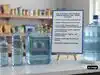
How to identify unsafe packaged drinking water: What to check before buying and simple tests to do at home
How to check your packaged drinking water for impurities: Following food safety action against Bisleri over a sample that reportedly failed laboratory testing, questions have emerged about how consumers can identify safe packaged drinking water. From checking FSSAI licence numbers and bottle seals to understanding TDS readings and laboratory tests, here are the precautions to take before buying bottled water.

FSSAI tests samples of major water brands, warns of action against violators
FSSAI has inspected major packaged drinking water brands, including Bisleri International, for compliance. They collected samples for lab testing, revealing violations of safety regulations. The authority declared some water unsafe due to bromate limits and contamination by polynuclear aromatic hydrocarbons. Bisleri International insists its water is safe but is cooperating with the investigation process.

Bisleri drinking water safe or not: FSSAI finds bromate level 20% above limit; what are the possible cancer risks? what consumers need to know
FSSAI has sanctioned prosecution against Bisleri International after a water sample from its Goa facility was declared unsafe following tests for bromate and PAHs. Bisleri says subsequent independent tests found bromate within limits. Here is how bromate can form in drinking water, why regulators set a limit and what is known about its health effects.
Bisleri says Goa water sample met safety limits in independent tests after FSSAI flags violations
Bisleri International said independent laboratory tests found bromate levels in a water sample collected from its Goa facility within prescribed limits, contesting FSSAI's findings that declared the sample unsafe. The regulator has sanctioned prosecution against the company after tests flagged bromate and polynuclear aromatic hydrocarbons (PAHs) in the sample.

FSSAI sanctions prosecution against Bisleri after water sample fails safety standards
The Food Safety and Standards Authority of India has taken action against Bisleri International for safety violations. A sample of its packaged drinking water was found unsafe due to high bromate levels. The presence of polycyclic aromatic hydrocarbons was also detected in the product. This action follows laboratory testing conducted on the company's premises for regulatory compliance. Bisleri International is now facing prosecution under the Food Safety and Standards Act.
FSSAI sanctions prosecution against Bisleri International over unsafe packaged water
The Food Safety and Standards Authority of India has sanctioned prosecution against Bisleri International for unsafe drinking water. This action highlights increased scrutiny of packaged drinking water manufacturers by food safety authorities. Inspections and testing have been intensified to ensure compliance with quality standards. The prosecution sanction is a step towards initiating legal proceedings, following violations of food safety norms.

Maharashtra govt withdraws plea against Centre over food safety enforcement powers
The Maharashtra government recently withdrew its legal plea regarding food regulation against the Centre and the FSSAI. This withdrawal occurred during a hearing at the Bombay High Court before a division bench. The state had initially claimed that amendments by the Union Health Ministry undermined the decentralisation of food regulation. Advocate General Milind Sathe did not provide a reason for the withdrawal during the court proceedings.

FDA suspends 23 food business licences across Maharashtra, seizes stock worth Rs 2.23 crore
In a statement, FDA said the action followed inspections that revealed several violations, including unhygienic preparation, improper storage of food, presence of cockroaches and flies, unclean equipment and failure to maintain mandatory records.

Old Monk maker’s revenue halves in H1 on sales curbs
In the first half of this fiscal year, Mohan Meakin's operations revenue took a heavy hit, plummeting by 64% to ₹288 crore. This downturn follows the Food Safety and Standards Authority of India halting sales of specific Old Monk variants due to concerns over their classification. While the company is contesting the order, it will also modify product labels to comply.

FSSAI scrutinises Red Bull's sugar levels as 'energy drink' dispute escalates
India is investigating the nutritional composition of Red Bull due to health concerns over added sugar. The Food Safety and Standards Authority of India warns that the energy drink label could mislead consumers. Red Bull has been given seven days to justify its labeling after receiving a notice from the FSSAI. Legal challenges have arisen from Red Bull and its competitors regarding regulatory actions.

Milk, curd and paneer packs to look different soon: Food regulator FSSAI orders dairy manufacturers to add new logo across products
FSSAI has mandated a new blue-and-white droplet logo on all milk and milk products, including milk, curd and paneer, from July 1, 2028. The standardised symbol, featuring a white droplet inside a blue square, aims to help consumers identify dairy products more easily and bring uniformity to food labelling. The new rules also prescribe logo sizes based on packaging dimensions.

Front-of-pack labelling: Food CEOs rush taste tweaks as new rules loom
Packaged food companies in India are responding to regulatory pressures by introducing no-added-sugar and low-salt alternatives. Executives recognize the challenge of maintaining taste while making these healthier options. The Food Safety and Standards Authority of India plans a major change in food packaging regulations. These changes could significantly impact the sale of everyday packaged products. Companies will likely expand their product variants to meet health demands.

FSSAI accuses PepsiCo of ‘duping’ consumers by marketing Sting, Adrenaline Rush as 'energy drinks'
FSSAI has told the Delhi High Court that PepsiCo India deliberately markets its Sting Energy and Adrenaline Rush beverages as energy drinks to mislead consumers, despite the absence of prescribed standards for the category. The regulator has opposed the company's request for a 12-month extension to exhaust existing packaging material, citing public health concerns.
Load More

