
FERRY SYSTEM FUNDING
How Australia built world’s biggest battery-powered ferry
The electric ferry China Zorrilla has launched its operations between Buenos Aires and Uruguay, marking a significant milestone in eco-friendly maritime transport. This initiative showcases advancements in battery technology aimed at curbing environmental impact.
Maine’s state ferries need about $15.8 million a year to run, while fares can cover only half; state law treats the boats as the only vehicle link to six islands
Linking six island communities with the mainland, the Maine State Ferry Service offers essential transportation for locals. Projected operational costs for the 2024 fiscal year stand at approximately $15.78 million, funded through a combination of user fares and state funding. The increasing expenses have resulted in fare escalation, adversely affecting island residents and local businesses. This ferry service functions within the framework of the state’s highway network, facilitating vital connections.
Alaska ferry fares covered just 31% of operating costs over 10 years, while the state put in $82.6 million a year to keep coastal communities connected
Alaska's ferry system serves as a lifeline for 28 isolated communities, offering the only reliable transportation year-round. Currently, ticket sales only cover about 31 percent of operational costs, necessitating long-standing support from the general fund. With an aging fleet projected to require around $3 billion for updates, continuing to connect these coastal areas remains vital, even amidst financial difficulties and dependency on subsidies.
NYC Ferry carried 7.4 million passenger trips in FY2025, while the city subsidised each trip by an average of $8.33 across six routes serving all five boroughs
New York City's ferry service has seen significant growth, now serving around 7.4 million passengers. To keep fares affordable amidst increasing demand, public funding remains essential. Over the years, rising ridership and fare revenues have lowered the subsidy needed per trip. NYCEDC is committed to balancing operational costs with equitable access, offering seasonal services and discounts to boost passenger numbers from diverse income groups.
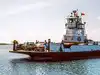
North Carolina collected about $2 million in ferry fares but spent $1.4 million collecting them; a new state law requires tolls on all ferry routes
The ferry system in North Carolina is vital for community connectivity and goods transportation, but it is currently facing significant financial hurdles. Fare collection expenses are considerable, compromising a major share of revenue and sparking sustainability concerns. New legislation has enforced tolls across all ferry routes—including the historically free Hatteras-Ocracoke route—with proposed toll rates aimed at funding vessel replacements. However, these may fall short in covering ongoing operational costs.
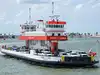
Since 1950, Texas has run the Galveston-Port Bolivar ferry toll-free, 24 hours a day; its 18-minute crossing carries about 1.5 million vehicles each year
Transporting nearly five million passengers annually, the Galveston-Port Bolivar ferry has been operating toll-free since 1950. Initially established in 1930, it became a public service in just twenty years. The fleet, continually updated with significant vessels, includes a new addition from 2023. This ferry is not just a means of cross-bay transport but also a crucial segment of State Highway 87, facilitating essential local travel.
Since 1950, Texas has run the Galveston-Port Bolivar ferry for free, 24 hours a day; its 18-minute crossing carries about 1.57 million vehicles a year
Since 1950, the Galveston-Port Bolivar ferry has been a toll-free transit option, allowing for easy travel across Bolivar Roads. This model stands out in an era of climbing transportation expenses in the U.S. Studies show that removing fares often boosts ridership while maintaining service quality. Despite facing congestion during busy periods, this ferry highlights the benefits of offering free public transport, showcasing a commitment to prioritizing accessibility over revenue.

In 1976, New York suspended a tram over the East River because another subway tunnel was too expensive; the Roosevelt Island Tram still links the island to Manhattan
Constructed in 1976, New York City's Roosevelt Island Tramway began as a temporary fix meant to serve until a new subway line was completed. However, even after the subway’s arrival, local residents advocated for the tram's continued operation. It not only persisted but also received vital upgrades, establishing itself as a unique and useful component of the city’s transport system, still active today.

22-year-old school dropout steals Rs 23,45,67,77,750 in crypto, buys 30 cars, custom Porsches, Lamborghinis and Ferraris, and a watch worth about Rs 20 crore
A Singaporean man admitted his role in a cryptocurrency racketeering operation. This enterprise allegedly stole and laundered over $245 million in digital assets. Social engineering tactics were used to target cryptocurrency holders for theft. The stolen funds were used for luxury purchases like cars and mansions. Lam faces up to twenty years in prison for his involvement.

HDFC's search for a new CEO may go beyond its inner circle
HDFC Bank's board faces a difficult CEO succession task with a thin internal leadership pipeline. Regulatory tenure limits may push the bank towards a wider external executive search. Analysts suggest candidates from other banks and NBFCs could be considered. Jagdishan's exit offers an opportunity for a strategic reset and narrative change. The bank's strong franchise and financial profile should mitigate transition risks.
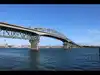
In 1959, Auckland opened its Harbour Bridge after 3 years of construction. 10 years later, clip-on sections doubled its capacity from 4 lanes to 8 lanes for city traffic
Auckland Harbour Bridge's initial construction prioritized affordability over immediate full capacity. The bridge was later expanded with clip-on lanes to meet growing traffic demands. This staged approach allowed the city to finance infrastructure as its economy grew. The expansion doubled the bridge's traffic capacity at a relatively lower cost. This strategy enabled Auckland to develop its harbour crossing over time.

Kochi Water Metro ferries over 10,000 on Sunday with tourists making beeline for joyride
"While there was a footfall of 8,415 on Saturday, the Water Metro service ferried over 10,000 on Sunday as per initial reports," said a Kochi Water Metro Ltd (KWML) official. The official said the mainly tourist crowd used the Metro along the Vypin-High Court route.

How will Kochi Water Metro work? Here’s all you need to know
Passengers of Kochi Water Metro can buy tickets at Rs 20 minimum and Rs 40 maximum. Weekly, monthly, and quarterly passes are also available at Rs 180, Rs 600, and Rs 1500, respectively.

Assam CM flags off four steel catamaran vessels at Pandu Port
These vessels are launched under a World Bank funded project to integrate high quality passenger and vehicle ferry services into the state’s wider transport network system. Out of the four vessels, two will ply over river Brahmaputra at Majuli and one each in between Guwahati-North Guwahati and Uzanbazar -Umananda ferry ghats.

Assam initiates Rs 90 crore scheme to make inland water transport system more safe
Out of these vessels, three Steel catamaran vessels, namely MV Lohitwill ply between Nimatighat and Kamalabari, MV Sonai from Guwahati to Kuruwa and MV Pratima (dedicated to renowned folk singer Pratima Baruah Pandey) at Dhubri Ferry Service. T

Centre signs $500 mn loan agreement with NDB for Delhi-Meerut RRTS project
Executed by the National Capital Region Transport Corporation (NCRTC), the 82 km-long corridor is estimated to cost $3.7 billion. The project is aimed at reducing traffic congestion on the Delhi-Meerut route which in turn would reduce pollution in the capital, according to a finance ministry statement.

Indian solar ferry flies flag for cleaner, cheaper water transport
The Aditya's green credentials have attracted international attention and earned it a win last month in awards sponsored by international electric boat journal Plugboats.

Delhi government to give more ads on odd-even scheme: Gopal Rai
Rai, who met BJP MP Vijay Goel in the morning to request him to not to violate the scheme which he did later and paid a fine of Rs 2000, alleged that BJP was trying to "fail" Delhi and its people.
Public transport set for 70mm makeover
From pot-holes to pot-boilers, the public transport system is all set for a 70mm makeover, Bollywood style. Instead of stretch limos pulling up at red carpet dos, India’s top stars may soon be seen using city buses.
Load More

