
FECAL COLIFORM
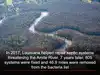
In 2017, Louisiana helped repair septic systems threatening the Amite River. 7 years later, 805 systems were fixed and 46.9 miles were removed from the bacteria list
Significant strides in water quality have stemmed from proactive home septic system inspections and educational initiatives. The Amite River now aligns with primary contact recreation standards, a remarkable turnaround following years of pollution. Capital RC&D has carried out extensive inspections and repairs, resulting in reduced bacteria levels and the delisting of a river segment. Regular inspections are set to uphold these improvements in the watershed for the future.

In 2011, Illinois' Algonquin secured $1 million for a Woods Creek watershed plan. 10 years later, 27 projects costing $4.8 million had reduced pollution and improved the watershed for residents
The Woods Creek watershed in Illinois became the focus of a long-term restoration effort after the Village of Algonquin received more than $1 million in CWA Section 319 funding in 2011. A comprehensive watershed-based plan followed in 2013, guiding projects designed to address nonpoint source pollution, improve stormwater management, restore natural areas, and protect water quality. Over the next decade, at least 27 projects costing $4,800,200 were completed by municipalities, public entities, and private and nonprofit partners. Work included streambank stabilization, wetland restoration, and naturalization.
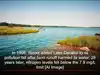
In 1996, Illinois added Lake Decatur to its pollution list after farm runoff harmed its water. 28 years later, nitrogen levels fell below the 7.8 mg/L limit
Lake Decatur's water quality improved after implementing agricultural best management practices. Efforts to reduce nutrient and sediment runoff continue to protect this vital resource. Grants funded watershed plans and structural best management practices for farmers. Monitoring shows promising trends for nitrogen and phosphorus levels in the lake. Continuous effort is needed to maintain water quality improvements for the future.

In 1995, North Dakota's Richland County SCD began monitoring Antelope Creek for bacteria. 10 years later, a watershed project tackled septic, livestock and farm sources to cut bacteria
Antelope Creek and Wild Rice River saw reduced bacteria levels after conservation efforts. Best management practices addressed animal feeding operations and failing septic systems. These efforts included septic repairs, well decommissioning, and livestock facilities. Water quality data showed declining bacteria trends over two decades. This indicates progress toward restoring recreational uses in the waterways.

In 2006, Virginia flagged the Rapidan River for failing swimming standards. 18 years later, DEQ removed it from the impaired list after BMPs restored water quality
Rapidan River water quality in Virginia has finally turned a corner after nearly two decades of concern. A section once flagged for failing swimming standards is now off the state’s impaired-waters list. Virginia DEQ made the change after monitoring showed bacteria levels had improved. Years of best management practices helped reduce pollution entering the river. The result offers a rare example of long-term water restoration working.
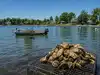
In 1998, HHPC launched a pollution-control plan for New York's Hempstead Harbor. 13 years later, its northern segment reopened to shellfishing after being closed for more than 40 years
The restoration of northern Hempstead Harbor in Nassau County, New York, demonstrates how long-term cooperation and pollution-control measures can improve water quality. After shellfish harvesting was restricted in 1966 because of water quality concerns, elevated fecal coliform levels contributed to the harbor being placed on the state’s 1998 impaired waters list. The Hempstead Harbor Protection Committee, New York State Department of Environmental Conservation, Nassau County, municipalities, and community partners coordinated efforts addressing stormwater, boater waste, wastewater, and other pollution sources. Following years of monitoring and improvement, DEC reopened shellfish harvesting areas in June 2011 after more than 40 years.
- Go To Page 1

As Yamuna chokes, political heat rises in Mathura ahead of 2027 UP elections
The deteriorating condition of the Yamuna river in Mathura is becoming a significant political issue ahead of the 2027 Uttar Pradesh assembly elections. Opposition parties are criticizing the ruling BJP, which highlights ongoing clean-up measures. Alarming pollution levels, particularly high turbidity and bacterial contamination, have been reported, making the water unsafe for consumption and bathing.

The Bathroom Spot That Almost No One Cleans Properly
Researchers highlight that the underside of the toilet rim is a breeding ground for bacteria, often missed during regular cleanings. Biofilms containing harmful microbes can thrive here, leading to potential health risks like gastrointestinal disorders and UTIs. Proper cleaning techniques focusing on these hidden areas are crucial for a truly hygienic bathroom.

Froth returns to Yamuna river after temporary cleanup for Chhath Puja
Froth has returned to the Yamuna river after a temporary cleanup for Chhath Puja. Increased water flow from Hathnikund barrage had briefly improved its appearance. However, the river is now frothing again, indicating pollution from untreated sewage. Delhi's environment minister blames poor sewage treatment plant functioning and promises upgrades. Experts call for long-term solutions and consistent river flow.

Kumbh 2025: CPCB report finds Ganga, Yamuna water fit for bathing despite variability
The CPCB report submitted to the NGT confirms that water quality in Prayagraj during the Maha Kumbh was fit for bathing, based on statistical analysis. Despite significant fluctuations in water parameters, the median values of pH, DO, BOD, and fecal coliform were within permissible limits.

Fake reporting: UP CM Adityanath rejects pollution claims at Sangam during Maha Kumbh
Chief Minister Yogi Adityanath dismissed pollution reports at the Sangam during the Maha Kumbh, asserting water quality remained clean throughout. Independent labs and monitoring showed levels within safe limits, countering false reporting and concerns raised by organizations like UNESCO.

Maha Kumbh 2025, the world’s largest religious gathering, ends today after holy dip for Maha Shivaratri: 10 big moments
The Maha Kumbh 2025, concluding today with the final sacred dip, witnessed an unparalleled 63.36 crore devotees. The event featured extensive measures for crowd management and security, amidst challenges including a stampede and a water quality controversy.

Maha Kumbh: Uttar Pradesh CM Yogi Adityanath refutes claims of faecal contamination at Sangam
Addressing concerns in the state Assembly, Uttar Pradesh CM Yogi Adityanath assured that continuous monitoring and purification ensure the water quality at Triveni Sangam. Recent readings indicate the water is safe for bathing and ritualistic usage, despite claims of contamination being misleading.

Think your office coffee mug is safe? It might be full of germs, finds study
A recent study reveals that up to 90 per cent of office coffee mugs are covered in germs, with 20 per cent of them carrying fecal matter. Researchers, led by Dr. Charles Gerba from the University of Arizona, found that kitchen sponges, which are rarely cleaned, play a major role in spreading bacteria. The study showed that after wiping mugs with a dishcloth or sponge, 100 per cent of the cups tested positive for coliform bacteria, and 20 per cent contained E. coli.

Ganga's cleansing of utmost importance to govt: Jal Shakti minister Gajendra Shekhawat
Shekhawat said India is a diverse country and rivers like Ganga bind and unite people so our commitment towards them is necessary. "Earlier, the work to clean Ganga was being undertaken in silos and efforts were not made at the desired intensity," he said.
NGT forms Central Monitoring Committee to prepare national plan for polluted rivers
The NGT directed the Central Monitoring Committee to give its report by July 31.

They hail the PM Modi, but no takers for Namami Gange
From purohits to hawkers, all fume at the mention of Namami Gange, the Centre's clean-Ganga mission launched with fanfare in 2014.

Dismal picture on solid waste management, by some civic bodies: Environment Ministry
A recent inspection has brought out a "dismal" picture of negligence by some civic bodies in dealing with the issue of solid waste management.

Deadly metals found in fish from Ennore creek
The seafood you eat could have toxic elements like mercury, arsenic, lead and cadmium, a study has found.
Centre approves Rs 990 crore fund for setting up sewage treatment plants in Pune
To check river pollution in Pune, Centre today approved a Rs 990 crore fund for setting up sewage treatment plants in the city.

Your toothbrush may be contaminated with faeces
If you are using a shared washroom there is a 60 per cent chance your toothbrush is covered in fecal matter from someone else, a new study suggests.
Sufficient waterflow can help solve Ganga's pollution woes
The Ganga, declared National River in 2009, is still battling with pollution and people's apathy.The Inter-Ministerial Group (IMG) admits that the challenge the Ganga is facing is grim.
Ecological time bomb ticking in Chitrakoot
The holy city Chitrakoot in Madhya Pradesh’s Satna district is sitting on an ecological time bomb.
Uttarakhand tops Planning Commission's green ranking
Uttarakhand has been rated top in the Planning Commission's green ranking based on quality of air and water, waste management, forest cover and climate change.

Uttarakhand tops Planning Commission's green ranking
Uttarakhand has been rated top in the Plan Panel's green ranking based on quality of air and water, waste management, forest cover and climate change.
Ganga water contamination exceeds permissible limit
Bacterial contamination in the Ganges has exceeded the maximum permissible limit at a number of locations even as 80 per cent of pollution in the river is due to discharge of sewage.
Water quality in Ganga at Haridwar poor: NGO
Water quality of the river Ganga in Haridwar is below the standards set by the Central Pollution Control Board for bathing, a recent study by an NGO says.
Load More


