
EUROPE HACKERS

India’s cooling systems face Europe-style cyber risks, say experts
The concerns follow cyberattacks on supermarket refrigeration systems across Europe, with stores in Sweden, Belgium, Estonia, the Netherlands, Finland and Luxembourg reporting disruptions. Attackers reportedly manipulated refrigeration controls, raising freezer temperatures and switching equipment into defrost mode, forcing stores to discard food stocks. The incidents follow similar attacks on hundreds of supermarkets in France in October.
Are Russia, China, Iran planning to carry out large scale cyberattacks bigger than Europe supermarket fridges hacking? Top Britain official reveals shocking details
Moscow, Beijing and Tehran have all repeatedly denied similar accusations of malevolent cyber actions in the past.

Hackers are targeting something the world can't do without: Food
A series of cyberattacks have affected supermarket refrigeration systems in multiple European countries, leading to food spoilage. These attacks, described as deliberate attempts to disrupt the food supply chain, raised concerns among retailers and consumers alike. Various security vulnerabilities in connected refrigerated systems have been exploited, underscoring the need for better cybersecurity measures. No group has claimed responsibility for the attacks; however, state backing is being investigated.

Why are supermarket fridges connected to the internet, and how are hackers exploiting them?
Recent cyberattacks on supermarket refrigeration systems in Belgium and France have exposed significant vulnerabilities. Around 40 Delhaize supermarkets and several others lost food worth about €100,000 due to the incidents. Researchers found nearly 13,000 vulnerable refrigeration management services accessible online across various countries. Many of these systems have outdated security measures, which increases the risks of unauthorized access.

IKEA store in Belgium hit by fridge cyberattack; refrigeration systems impacted as supermarkets across Europe face issues
IKEA's store in Mons experienced temperature rises in refrigeration systems due to a cyberattack. Several European supermarkets, including Carrefour and Coop, also reported similar issues affecting their refrigeration control systems. A broader cyberattack targeted grocery retailers across Belgium, Estonia, Finland, Luxembourg, and Sweden, leading to food waste concerns. Investigations are ongoing regarding the causes and potential future impacts on food supplies.

Europe under cyberattack: Who is behind the supermarket fridge hacks? Sweden, Belgium, Luxembourg and Estonia hit as attacks follow the same pattern seen in France
Europe is facing a fresh wave of supermarket cyberattacks, with Sweden, Belgium, Luxembourg and Estonia reporting problems with their refrigerators and freezers. The incidents follow a similar attack in France last month. But investigators have yet to identify who is behind the attacks or whether all cases are connected.
- Go To Page 1
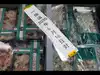
'New Cold War'? Supermarket freezers hacked in six European countries, food worth millions spoiled. Who's behind it?
A wave of cyberattacks has struck supermarket refrigeration systems across several European nations, including Belgium, Sweden, Luxembourg, and Estonia, raising serious food safety alarms. These breaches allowed unauthorized access to cooling units, causing hazardous temperature increases that threaten product integrity. Experts are voicing concerns about the rising risks associated with connected technologies, while investigators work diligently to pinpoint the perpetrators and safeguard against future breaches.

Global Market Today: Asian shares bend under AI stress; Apple earnings loom
Concerns about negative cash flow and the sheer scale of AI capex saw the cost of insuring against corporate defaults blow out last week, while gold hit a one-year low amid talk stressed investors were selling to raise money for margin calls.

Are your freezers safe? Military commissary refrigeration cyberattack probe, French supermarkets systems crash raise fears
Cyberattack latest: Refrigeration plays a critical role in the distribution of fresh food and the sabotage of cold storage facilities over the internet has long been seen as a nightmare scenario, alongside the loss of electricity or water plants.
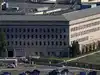
Pentagon treating military base freezer malfunctions as suspected cyberattack, officials say
In August, military commissaries in the United States experienced freezer malfunctions that resulted in significant food spoilage. Investigators are exploring these incidents as possible cyberattacks, with updates being shared with French counterparts. A similar attack in France impacted hundreds of commercial freezers, causing significant financial losses. The vulnerability of refrigeration systems to cyber threats poses risks to food safety and supply chains.

Pentagon treating military base freezer malfunctions as suspected cyberattack
The Pentagon is treating the spate of mysterious freezer malfunctions that spoiled food at military bases across the United States in August as a suspected hack, according to four officials familiar with the matter.
The code turns cold as AI scripts a black October
While some attacks highlight how AI is helping hackers look for security gaps and exploit them, others expose weaknesses in the digital infrastructure businesses and governments rely on every day. The financial toll of many of these incidents remains unknown, but the scale of exposure is raising concerns.
AI-discovered bugs may soon trigger fresh disruptions, cyber experts say
AI helped drive a doubling of the number of digital flaws discovered year-on-year, according to research due to be published in the coming days by VulnCheck, a Massachusetts-based threat intelligence firm.

Revolut will cover costs for customers hit by data hack, Western Europe CEO says
Revolut, Europe's most valuable startup, said it had sent the customers' personal data to hackers who had taken control of an Italian government agency email address, in an incident first disclosed last month.

Sleeper cells and lone wolves. The West could be Iran’s next front
The arrest of five British men near RAF Fairford has revived concerns over Iran’s ability to retaliate beyond the Middle East. No Iranian link has been established, with investigators examining multiple possibilities. Western security officials have warned Iran could use proxies, covert networks, lone actors or cyberattacks.

Tech pilgrims flock to China as global innovation race heats up
Investors and entrepreneurs are paying thousands of dollars for rare access to Chinese factories, seeking a front-row seat to what many believe could be the next technological revolution.

FBI warns of Russian hacks targeting US critical infrastructure
Russian FSB hackers are exploiting a Cisco software vulnerability to target critical infrastructure IT systems. They're extracting device configuration data from thousands of networking devices across sectors like telecommunications and manufacturing. The FBI and Cisco warn that this access enables reconnaissance and potential long-term control, particularly targeting industrial control systems.

Hackers abuse modified Salesforce app to steal data, extort companies, Google says
The hackers use voice calls to trick employees into visiting a purported Salesforce connected app setup page to approve the unauthorized, modified version of the app, created by the hackers to emulate Data Loader. If the employee installs the app, the hackers gain "significant capabilities to access, query, and exfiltrate sensitive information directly from the compromised Salesforce customer environments," the researchers said.

Hackers-for-hire are targeting law firms: French, UK watchdogs
In a pair of reports published over the past week, the cyber watchdog agencies of France and the United Kingdom cataloged an array of digital challenges faced by law firms, including threats posed by ransomware and malicious insiders.

Russian, Chinese hackers targeted Europe drug regulator
The Amsterdam-based European drug regulator in December reported a cyberattack in which documents relating to COVID-19 vaccines and medicines were stolen and leaked on the internet.

As Microsoft email hack spreads, experts brace for more impact
Experts say it is only a matter of time before the break-in tools are cloned by other spies or cybercriminals, with the potential to compound the problem for users of Microsoft's widely used Exchange email and calendaring software.

US intel agencies warn cyber attack on government 'ongoing'
"This is a developing situation, and while we continue to work to understand the full extent of this campaign, we know this compromise has affected networks within the federal government," the FBI, the director of national intelligence and CISA said.

Chinese hackers step up attacks on Indian shores
These attacks are often carried out through difficult to-trace proxy servers in North Korea, Africa, Eastern Europe and Russia.

HackerEarth now seeks coders across seven seas
"Most of the programming community comes from India, US and Europe. We have decided to tap into lesser known markets of coders like Brazil or Mexico," says Sachin Gupta, CEO and cofounder, HackerEarth.

How Indian financial outfits have been facing numerous cyber attacks from Pakistan
In the world of cybercrime, such attacks, which could be mistaken as normal traffic overload on the Net, are known as "distributed denial of service", or DDOS.

Hacker attack that makes you grind your teeth
A dental practice was hit last year by a strain of malicious software that sought out X-ray images and encrypted them on the clinic's computer system.

Apple just patched a security flaw in iCloud that could've been used to hack celebrity accounts
Engadget reports that Apple has fixed a major bug in its Find My iPhone software that allowed hackers to gain access to iCloud accounts.

Coding startup HackerEarth raises seed funding from AngelPrime
HackerEarth, a start-up which helps multinational companies such as Symantec and Citrix hire programmers, has raised seed funding from incubator Angel-Prime.
Microsoft CEO says concerned about Europe contagion
Microsoft Corp Chief Executive Steve Ballmer said there are concerns that a debt crisis in the euro zone will not be restricted to the region.
Load More

