
EURASIAN BEAVERS
Could beavers help slow flash floods? A reintroduction project in England shows how their dams can hold back water
Eurasian beavers returned to the UK after centuries. Then came a five-year trial that reshaped their future, along with the English landscape. Dive into the story to find out more.
In 2019, 2 beavers were released in Yorkshire’s Cropton Forest. 5 years later, 6 dams are slowing floodwaters and reviving wildlife
A five-year experiment in North Yorkshire shows how beavers can reshape ecosystems while helping manage floodwater. Two beavers built six dams in Cropton Forest, creating wetlands and boosting habitats for plants, amphibians, mammals and insects. Researchers found the dams reduced peak water flows by nearly half, highlighting how natural engineering could complement wider flood-management and restoration efforts.
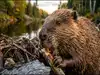
After 400 years, beavers are back in England; 9 dams are estimated to store 3 million litres of water and slow flood flows
Beavers are altering England's waterways by building dams and canals. These structures increase water storage and slow down river flows significantly. Studies show reduced peak flows after beaver reintroduction in several locations. The Essex Beaver Project stored millions of litres of water in new ponds.
Conservationists spent £29,000 making 20 wildlife ponds in England. Two beavers created twice as many in half the time for free
Two beavers created numerous ponds at Helman Tor nature reserve. This natural construction occurred much faster than human efforts. Conservationists spent significant funds and time digging fewer ponds. Beavers are ecosystem engineers that transform landscapes by building dams. Their work creates habitats and natural flood defenses for wildlife.
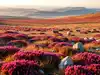
England’s hidden 7,500-acre wilderness could become the ‘Yellowstone of Britain’ — a £8.5 million rewilding project aims to bring back rare wildlife over the next 20 years
Emblehope Moor in Northumberland is undergoing a significant nature restoration over twenty years. This ambitious project aims to rewet peatlands and reintroduce native species like beavers. Exmoor ponies will manage dense vegetation, and Sitka spruce plantations will be removed. Restore plans to repay investors and transfer land to community ownership eventually. This initiative could create Britain's largest connected wildlife landscape.
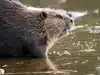
In 1930s, Finland brought back beavers but accidentally introduced the wrong species. The mistake still affects wildlife today
During the 1930s, Finland's attempt to reestablish its native beaver population took a turn when North American beavers were unwittingly introduced. The species distinction was only uncovered in 1973 through chromosome analysis. As these newcomers flourish in eastern and central Finland, they are now in direct competition with the native Eurasian beavers, complicating the country's wildlife management strategies.

