
EDIBLE OIL COMPANIES

Tamil Nadu bags Rs 58,214 crore investment commitments in 78 pacts
On Wednesday, Tamil Nadu signed numerous investment agreements totaling Rs 58,214 crore with various companies. Among the investors are Brazilian motor maker WEG and Indian two-wheeler maker TVS Motor. This initiative is part of Tamil Nadu's strategy to attract fresh investments across multiple sectors. Previous agreements have seen significant progress with land allotment or further developments. Competing states like Andhra Pradesh are also securing substantial investments for their own growth.

Wedding season drives sales growth across sectors, from automobiles to apparel
India's $130-200 billion wedding economy is driving double-digit sales growth across automobiles, electronics, staples and apparel, with strong demand extending beyond the festive season amid improving consumer sentiment.

Quick commerce profitability matches kiranas as players lose margin edge for consumer companies
Consumer goods companies are experiencing a decline in profit margins from quick commerce due to rising costs. Previously, they earned significantly more from quick commerce compared to traditional kirana stores. Advertising costs and promotional spending have notably increased for these companies within the sector. As a result, profitability in quick commerce is now comparable to general trade profitability.

'Bahut hui mehengaai ki maar': Congress seeks white paper on inflation
The Congress has demanded that Prime Minister Narendra Modi issue a white paper on inflation and spell out measures to control rising prices. Party general secretary Jairam Ramesh cited October's retail inflation of 6.09% and food inflation of 8.94%, along with wholesale inflation rising to 12.29%. He also flagged proposed price hikes in everyday goods, rising household expenses and the possibility of higher EMIs, alleging that poor and middle-class families are facing mounting financial pressure.

Phones, TVs, groceries: Diwali over, consumer goods cos ready a price-hike dhamaka now
Consumer goods companies are planning to raise prices across smartphones, televisions, and household appliances to maintain profitability. Xiaomi and Samsung have already increased their prices by up to 18% for handsets and tablets recently. Fast-moving consumer goods manufacturers are also facing pressure to pass on rising costs to consumers. The authorities expect overall price increases to exceed 40% for smartphones and 20% for TVs this year.

Patanjali Foods reports muted rural demand amid inflation, banks on wedding season and winter demand for H2 growth
Patanjali Foods reported muted rural demand and more resilient urban markets due to rising inflation. The company anticipates that upcoming festive and wedding seasons will boost product consumption. Revenue increased significantly in both edible oils and FMCG sectors amid fluctuating commodity prices. The oil palm plantation business is expected to enhance profitability as maturation progresses.
- Go To Page 1

Patanjali Foods Q2 Results: Net profit falls 19% YoY to Rs 420 crore, revenue rises 16%
The FMCG company’s revenue from operations meanwhile increased 15.55% YoY to Rs 11,322.58 crore during the second quarter of FY27, from Rs 9,798.84 crore in the corresponding quarter of the previous financial year. Its total expenses rose around 18% YoY to Rs 10,997.51 crore during the quarter under review, from Rs 9,344.98 crore in the year-ago period.

Caught between costly inputs and cautious buyers, India Inc takes a hit
Companies in India's consumer goods, automobile, and paints sectors are increasing prices to offset rising costs. The West Asia conflict has severely impacted input and logistics expenses across various industries. While some companies have raised prices, they are still absorbing part of these costs to maintain demand. Consumer giants like Hindustan Unilever and Asian Paints report pressure on their margins despite price hikes.

Mother Dairy raises milk prices by Rs 2-4 per litre, effective Thursday
Mother Dairy has raised milk prices by Rs 2-4 per litre from November 12, citing higher procurement costs. The hike affects several milk variants in Delhi-NCR, with full cream milk now costing Rs 76 per litre and toned milk Rs 62. The company last increased prices in May 2026.

Diwali 2026 Gift Ideas: What India Is Actually Buying This Year — From Gourmet Hampers to Smart Gadgets
In 2026, Diwali gifting trends are shifting towards practical and personalized choices, moving away from the classic sweets. Gifts in demand now include gourmet food, home décor, electronics, and items reflecting personal style. Additionally, many are opting for wellness products and experiential gifts. It’s important to align gifts with the recipient's tastes and budget, as meaningful selections carry more weight than opulent choices.

Trusted names, new game: India's FMCG giants reload old guns for changing tastes
India's FMCG companies are expanding into new product categories by leveraging the trust associated with their established brands. Hindustan Unilever has launched Horlicks Protein Powder, targeting consumers seeking protein-rich products. Emami is introducing new products across baby care and specialized scalp care under its existing brands. Marico has entered the shampoo market with Parachute Advansed Protein Shampoo, capitalizing on its hair-care equity.

Marico profit jumps 31%, flags rising input costs amid West Asia woes
Marico has reported a 13% increase in consolidated revenue, driven by strong volume growth in India and international markets. The company highlighted challenges from rising input costs due to geopolitical tensions and adverse weather circumstances. Managing director Saugata Gupta expressed awareness of potential inflation effects, especially in rural areas. Marico aims for mid-20% EBITDA growth by FY27 and expects annual revenue to exceed ₹15,000 crore.
Maharashtra FDA suspends 19 food licences; acts against Patanjali distributor over 'adulteration'
In a recent operation, the Maharashtra FDA suspended licenses of 19 food business operators for violations. They seized food articles worth over Rs 9 crore across multiple divisions in the state. This included significant amounts of Patanjali cow ghee found to be misbranded and adulterated. Further, the FDA registered FIRs, arrested several individuals, and sealed multiple establishments for serious hygiene issues.

Marico Q2 Results: Net profit jumps 31% YoY to Rs 550 crore, revenue rises 12%
Marico reported a 31% YoY rise in Q2FY27 net profit to Rs 550 crore, while revenue grew 12% to Rs 3,897 crore. EBITDA increased 27%, margins expanded to 18.2%, and management expects double-digit growth during FY27.
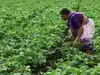
IIT Kharagpur and Absolute launch Smart Scout AI project for soybean farming
Absolute and IIT Kharagpur are developing an early warning system for soybean farmers to minimize crop losses. The Smart Scout project aims to detect lodging risks, assess damage, and estimate yields using artificial intelligence. This initiative is part of the Quad-backed AI-ENGAGE program focusing on agricultural innovations. Pilot trials will be conducted across major soybean-growing states in India over the next three years.

Hindustan Unilever looks to stronger FY27, but commodity inflation threatens to squeeze margins
Hindustan Unilever expects commodity inflation to continue impacting margins in the near term. The company anticipates better growth in FY27 due to strategic portfolio and channel transformations. In its recent financial result, HUL reported a 15% underlying sales growth and an 8% increase in EBITDA. The Home Care and Beauty segments led the growth with double-digit increases in sales and volume.

AWL Agri Business experiences 2% profit drop, emphasises growth in packaged food and exports
AWL Agri Business has reported a 2% decline in consolidated net profit for the September quarter. Revenue from operations, however, increased by 26.1%, reaching ₹22,270 crore. The company's food and FMCG business saw significant growth, with a 32% year-on-year rise in revenue. AWL plans to focus on expanding its packaged food offerings and entering new markets. Additionally, the company aims to develop the pulses category, which presents attractive profit margins.

The grease hunters of Bengaluru want Leftover fryer oil to fuel India’s Jets
Bengaluru has become a hub for innovative biofuel initiatives as collectors harvest old cooking oil from restaurants for energy production. With India’s substantial reliance on imported crude oil, the drive to tap into domestic energy sources grows stronger. Major oil enterprises are setting lofty targets for integrating sustainable aviation fuel and biodiesel into their operations.

India's a call-out market, but there's room to grow: Nestle
Nestle SA reports that 37% of urban households in India purchase Maggi noodles monthly. The instant noodles segment is outpacing overall food sector growth in the country. Nestle is investing in its Maggi and KitKat brands as they capture consumer preferences for convenience and diversity. Despite a revenue increase, food inflation remains a significant concern for the company. Regulatory scrutiny on Nestle India's labeling practices has also emerged recently.

The food Indians buy is changing, and so is the scrutiny of what companies promise
India's Food Safety and Standards Authority of India has issued over 150 notices to various food and beverage companies. These notices address misleading advertisements, false claims, and labeling violations concerning multiple products. Regulatory actions involve well-known brands like ITC, AWL Agri Business, Dabur, and Hindustan Unilever. Additionally, serious food-safety violations have been flagged against companies like Priyagold and Dodla Dairy.

BL Agro heads to Africa with Rs 7,000 crore Tanzania bet; targets edible oil, dairy
BL Agro plans to invest Rs 7000 crore in Tanzania over the next ten years for international expansion. The company will focus on edible oils, dairy, animal husbandry, agriculture, and manufacturing. This investment aims to build an integrated ecosystem, leveraging Tanzania’s agricultural resources with Indian technology.

India Inc eyes a festive boom, but the bottom line holds a twist
Festive shopping is currently gaining momentum with significant sales in both online and offline markets. Companies are experiencing increased demand but are also facing rising costs that impact profitability. Many consumers are driven by discounts and affordable payment options during this festive season. Businesses are adapting pricing strategies to balance consumer affordability with input cost pressures.

Sweet sellers face heat over shelf life rules ahead of Diwali
Watchdog agencies in states such as Uttar Pradesh and Uttarakhand are among those that have made this mandatory. The directive aims to help consumers assess freshness as inspections have revealed that buyers were not always given clear information about when sweets were made or how long they remained suitable for consumption, the agencies said.

FMCG brands turn up the volume on ads as costs and scrutiny rise
Multiple packaged goods companies are increasing their advertising expenditures to maintain consumer demand amid rising inflation. Nestle India reported a significant rise in ad spending during the September quarter to enhance brand trust. Regulatory scrutiny from the FSSAI has prompted brands to emphasize safety and integrity in their advertising. Influencer-led marketing efforts are expected to grow significantly during the upcoming festive season.

India braces for first Diwali after Gulf war with tighter budgets
As households prepare for Diwali, rising food prices and travel expenses are impacting festive budgets significantly. Increased costs for essential items like vegetables and sweets are leading to reduced discretionary spending. E-commerce platforms have seen lower sales compared to last year, indicating a shift in consumer behaviour.

FMCG firms grapple with input cost inflation in Q2, brace for margin pressure in H2
FMCG companies are experiencing increased margin pressure as input costs continue to rise. Rising inflation is affecting profitability, forcing firms to consider price hikes after the festive season. Companies are currently absorbing some costs to maintain consumer demand in urban and rural markets. The expectations for the second half of FY27 remain cautious amidst fluctuating commodity prices. Consumer purchasing behavior may shift if food prices increase or rural incomes decline.

FMCG stocks lost their tag of defensive stocks, will they get it back? 7 FMCG stocks with an upside potential of up to 32%
Those who have been following the market for long know this: When there is nervousness on the street, money instinctively moves towards a particular sector. That is the one with companies that sell soaps, biscuits, tea – all the everyday things that people buy whether the news is good or bad. Yes, we are talking about the FMCG sector.

Edible oil refiners set to clock 10-12% revenue growth in FY27 despite duty cut: Report
Edible oil refiners are projected to achieve a revenue growth of 10-12% this financial year. The recent cut in import duties on crude edible oil is expected to temper industry realisations moderately. Elevated global edible oil prices along with strong consumption support this anticipated revenue increase. Consumer demand is expected to grow amid improving affordability and upcoming festive seasons.
Nestlé India says rising inflation, particularly food inflation, is a reality
Nestlé India has reported a strong 20.5% increase in sales for the September quarter. Profit after tax rose significantly due to robust volume growth across its product categories. Despite challenges from rising food inflation and volatile commodity prices, the company aims to enhance operational efficiencies. Investment in advertising and marketing increased as brand growth remains a priority for the organization.
Load More

