
DIWALI POLLUTION
Delhi’s Diwali pollution started before the fireworks. What five years of action have achieved
Delhi’s air was already severely polluted before Diwali, with average PM2.5 levels in the week before the festival reaching 236 micrograms per cubic metre, nearly double the 2025 level, according to CSE. The findings suggest firecrackers and stubble burning worsen an existing crisis rather than create it, with vehicles, industry, construction, waste burning and pollution from neighbouring NCR districts keeping baseline pollution high.
Delhi's air woes drive demand for hill getaways, resort stays
Hotels and alternative accommodations are reporting increased bookings from Delhi as air quality deteriorates. Popular destinations for travelers include the hills for cleaner air and cooler weather. Younger travelers are opting for short getaways to leisure destinations nearby. Remote workers are also seeking overseas trips during this polluted period. Overall, there is a noticeable rise in demand for escapes from the city.
ET Graphics: Why emergency traffic curbs in 2026 failed to clear Delhi's toxic winter air
A CSE analysis finds that Delhi's emergency traffic curbs failed to ease congestion or improve air quality in early winter 2026, while Diwali firecrackers triggered a sharp pollution spike. The report examines the contribution of transport, stubble burning and other sources, emerging pollution hotspots and the need for year-round emission control.
UP CM Yogi Adityanath defends firecrackers on Diwali; dismisses pollution concerns
Uttar Pradesh Chief Minister Yogi Adityanath expressed his support for the celebration of Diwali with firecrackers. He stated that concerns about pollution should be alleviated as they would decrease. Adityanath criticized those who focus on pollution while ignoring greater corrupt practices. He emphasized the importance of enjoying festivities without imposing prohibitions on firecrackers. He stated that it was positive for people to celebrate Diwali with enthusiasm.

Mystery of Delhi's missing PM2.5 data
If data went missing, so, too, it seems, did political will and judicial authority that were supposed to make this Diwali different. According to Indian Institute of Tropical Meteorology, more than 80% of Delhi pollution the day after Diwali was due to firecracker emissions. Despite this, politicians fell back on pointing to sources beyond Delhi's borders
Firecrackers, vehicle emissions, aerosols among top sources of Delhi pollution, IITM estimates show
IITM's source-apportionment models identified firecrackers as the largest contributor to Delhi's pollution on the two days after Diwali, though the estimates showed substantial variability. Meanwhile, CTI chairman Brijesh Goyal cited the firecracker trade's economic impact, questioned the focus on crackers and called for equal treatment of Hindu festivals under environmental restrictions.

UP CM Adityanath dismisses Diwali pollution concerns, says it will subside
Uttar Pradesh Chief Minister Yogi Adityanath has defended Diwali firecracker celebrations, playing down concerns over the resulting rise in pollution. Saying the pollution would subside, he questioned why critics were not equally vocal about those who had allegedly polluted the system through corruption, and said his government had imposed no restrictions.

Pakistan blames India's Diwali fireworks for Lahore's toxic air
The northern Pakistani city of Lahore topped Swiss group IQAir's ranking of the world's most polluted major cities for a second day on Tuesday, with an air quality index (AQI) of 263, categorised as "very unhealthy".
AQI differences with private apps due to different methodology, not data under-reporting: CPCB
The Central Pollution Control Board clarified the differences in Air Quality Index readings from private applications and its platform. It emphasized that the variations stem from differing measurement methodologies rather than under-reporting. The CPCB noted that during extreme episodes, data gaps may appear due to calibration limits of monitoring instruments. Since 2015, improvements in monitoring technology have been ongoing to enhance air quality reporting.
Delhi's Diwali pollution puzzle: Updated data shows massive spikes, gaps remain
On Diwali night, alarming gaps in air quality monitoring data raised serious concerns about pollution levels in Delhi. Some monitoring stations displayed particulate matter levels far exceeding prescribed limits. The Central Pollution Control Board revealed data omissions during the critical pollution period.
Delhi AQI today: National captial's air quality improves but remains in 'very poor' category; check IMD weather forecast and other details
Delhi pollution latest news: Delhi experienced marginal improvement in air quality as AQI levels decreased after Diwali celebrations. The Air Quality Index recorded a reading of 304 at one point, down from earlier figures. Despite this, pollution remained in the 'very poor' category according to the Central Pollution Control Board. The government's emergency action plan continues to be enforced to tackle rising pollution levels.
We had got things so wrong on pollution
Firecrackers are continuously burst during Diwali, contributing to significant air pollution in India. This practice leads to toxic air conditions that affect public health. Recent evaluations showed that 99 out of the world's 100 most polluted cities are in India. The cultural significance of these practices has overshadowed the health implications associated with them. Ultimately, the trend reveals a collective indifference toward pollution and its harmful effects.
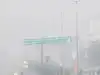
Air quality deteriorates in north India post-Diwali; Delhi records highest AQI since 2021
A significant increase in air pollution was observed across north India following the recent Diwali celebrations. The Air Quality Index (AQI) levels in Delhi, Haryana, Punjab, and western Uttar Pradesh surpassed 350, indicating poor air quality. Many cities reported severe pollution, with readings at 439 recorded at Delhi Technological University. Residents experienced health issues such as breathing difficulties and eye irritation after the celebrations.
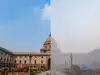
'Data eclipse': Questions over Delhi AQI data as several monitoring stations go offline on Diwali night
Delhi recorded its most polluted Diwali in five years, with the average AQI touching 376, but questions have emerged over the reliability of official data after 36 of its 59 monitoring stations stopped reporting readings at 1 am during peak pollution hours. Private platforms reported significantly higher pollution levels, with AQI.in recording a peak of 2,283.
Congress' Ajay Maken flags missing PM2.5 data at 25 Delhi stations on Diwali night
Ajay Maken raised concerns about the lack of PM2.5 data at 25 air quality monitoring stations on Diwali night. He noted that pollution levels averaged 38.4 times the World Health Organisation's limit at the remaining stations. Maken emphasized that this inconsistency affects the accuracy of pollution data and trends. The Air Quality Index in Delhi has deteriorated significantly following Diwali celebrations.
Delhi AQI today: Air pollution readings turns severe after Diwali bursts: Check area-wise levels here
Delhi AQI Live: Delhi's air quality turned into severe category on November 9, 2026, following Diwali celebrations and firecracker bursts. While the official citywide AQI stood at 372, several monitoring stations across the national capital recorded readings above 400, placing them in the Severe category. Here's a look at the latest Delhi AQI, area-wise pollution readings and reasons behind the post-Diwali deterioration.

Diwali Dabba appreciation
Mr. Sharma discovered that a box of dry fruits he received yearly from his neighbor contained old almonds, which he humorously claimed had turned into badam barfis. Meanwhile, an environmentalist attempted to celebrate Diwali pollution-free while his neighbor set off fireworks, leading to a sarcastic police response that targeted mosquitoes instead.

Diwali 2026: You can't control outdoor air pollution, but 6 things you can do to improve indoor air quality during Diwali firecracker season without an air purifier
Diwali festivities, while joyous, often contribute to heightened air pollution from firecrackers and outdoor emissions. To combat indoor air quality issues during this period, consider keeping windows shut and steering clear of incense burning to minimize smoke. Regular cleaning and maintaining home appliances can effectively reduce dust buildup. Although indoor plants add a touch of beauty, they don't significantly enhance air quality throughout Diwali.
Happy polluted Diwali! Get ready for severe air pollution as AQI monitoring agency sounds warning this year
Delhi AQI News: Get ready for severely polluted Delhi this year as the national capital is likely to face severe air pollution this year, with AQI forecast to cross 400. Stubble burning, firecracker emissions and unfavourable weather conditions could worsen the capital's air quality, raising concerns about another post-Diwali pollution spike.
Load More


