
DELISTING WATER SEGMENTS
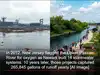
In 2012, New Jersey flagged the Lower Passaic River for oxygen as Newark built 14 stormwater systems. 10 years later, those projects captured 265,845 gallons of runoff yearly
Through a combination of education and innovative green infrastructure projects, water quality in the Passaic River has seen remarkable improvements. Led by Rutgers Cooperative Extension and various partners, these initiatives focused on managing stormwater runoff effectively, ultimately leading to the removal of the Lower Passaic River from the impaired waters list. This success highlights the effectiveness of nonpoint source pollution control in urban environments.
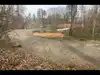
In 2023, Connecticut removed Strong Pond Dam after 20 years of planning. 3 years later, 10 upstream miles are open to fish, reconnecting 20 miles of habitat for wildlife
The removal of Strong Pond Dam in Wilton, Connecticut, marks a significant achievement in river restoration. This initiative has revitalized natural stream flows and established vital riparian buffer areas. Additionally, it has mitigated risks linked to the dam structure, enabling fish and aquatic life to access upstream habitats. Anticipated benefits include enhanced water quality and improved resilience against climate change.
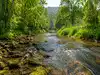
In 2006, Kentucky identified nutrient problems along 12.8 miles of Fleming Creek. 18 years later, monitoring showed the stream could fully support its aquatic life
Fleming Creek in northeast Kentucky has moved from nutrient-related impairment to full support for its warm water aquatic habitat designated use following years of monitoring, watershed planning and agricultural conservation. The Kentucky Division of Water listed miles 0.0–12.8 as impaired in the 2006 Integrated Report after monitoring identified elevated nitrate/nitrite and Total Kjeldahl Nitrogen, along with a fair fish community. Conservation projects supported through the CWA Section 319 Program, USDA Natural Resources Conservation Service and Kentucky’s Cost-Share Program continued over the following years.

In 2012, Indiana began protecting Flat Creek, a 54-mile stream affected by pollution. 10 years later, multiple stretches had recovered enough to be removed from the list
Flat Creek in Indiana experienced significant water quality issues for years. A 2012 plan initiated watershed improvement efforts and best management practices. Monitoring in 2019 showed improvements, leading to delistings in 2022. Further monitoring in 2024 revealed continued progress in biological scores.
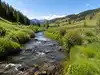
In 1994, Idaho listed Rapid Creek for sediment after grazing added excess sediment. 20 years later, 3 reaches were delisted after BMPs improved habitat and water quality
Rapid Creek in southeastern Idaho was listed for sediment impairment in 1994 after assessments found that several streams did not support cold water aquatic life. Livestock grazing, streambank erosion, sheet and rill erosion, and road erosion contributed excess sediment to the watershed. Beginning in the late 1980s, landowners and watershed partners implemented agricultural best management practices to reduce soil erosion and improve stream conditions. Later monitoring showed declines in suspended solids, Escherichia coli, and nitrogen concentrations, along with improved biological and habitat scores.
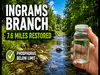
In 2006, Delaware listed Broadkill River waters as impaired for nutrients. 18 years later, BMPs helped restore 7.6 miles of Ingrams Branch, bringing phosphorus levels below the state threshold
Ingrams Branch in Delaware has reached an important water-quality milestone. The 7.6-mile stream segment was once impaired by excess phosphorus. Delaware listed the Broadkill River watershed for nutrient problems in 2006. Years of conservation work followed across nearby farmland. Cover crops, nutrient planning and other best management practices helped reduce nutrient runoff. By 2024, phosphorus levels had fallen below Delaware’s state threshold, allowing the impairment to be removed.
- Go To Page 1
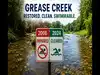
In 2008, Virginia listed Grease Creek as impaired for swimming. 16 years later, DEQ cleared it from the impaired list after watershed BMPs restored water quality in 2024
Grease Creek in Virginia has finally escaped a problem that followed it for 16 years. The creek was listed as impaired for swimming in 2008 after tests found elevated E. coli levels. Now, Virginia’s latest water-quality assessment shows a different picture. Watershed best management practices helped reduce pollution, allowing the 10.74-mile creek to meet recreational water standards and leave the impaired-waters list.

In 2006, Virginia flagged the Rapidan River for failing swimming standards. 18 years later, DEQ removed it from the impaired list after BMPs restored water quality
Rapidan River water quality in Virginia has finally turned a corner after nearly two decades of concern. A section once flagged for failing swimming standards is now off the state’s impaired-waters list. Virginia DEQ made the change after monitoring showed bacteria levels had improved. Years of best management practices helped reduce pollution entering the river. The result offers a rare example of long-term water restoration working.
In 1998, PA DEP listed 67 miles of Warrior Run for siltation and flow problems. 26 years later, 8.5 miles were delisted after farmers and agencies improved water quality
Warrior Run water quality has improved after years of work across Pennsylvania’s agricultural watershed. In 1998, the state listed 67 miles for siltation and flow problems. Now, 8.5 miles have been removed from the impaired list. Farmers, conservation groups and agencies helped reduce sediment and improve water conditions. The change took 26 years, but it offers a clear example of how steady conservation can restore damaged streams.
In 2006, Delaware listed the Broadkill watershed for nitrogen and phosphorus impairment. 18 years later, BMPs restored 7.6 miles of Ingrams Branch, ending the phosphorus
The restoration of Ingrams Branch is a powerful example of how best management practices can produce measurable improvements in water quality when they are applied consistently over time. What began with nutrient impairment concerns evolved into a coordinated watershed effort involving farmers, conservation districts, state officials, federal agencies and local partners.
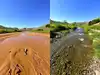
In 1994, Idaho listed Rapid Creek for sediment impairment. 18 years later, restoration improved habitat scores and Lower Rapid Creek was removed from the 2012 impaired waters list
Rapid Creek in southeastern Idaho offers a compelling example of how long-term watershed restoration can transform water quality and aquatic habitat. Rapid Creek ultimately became a useful model of how persistent conservation can restore a degraded stream. The improvement was built over approximately 18 years through agricultural conservation, erosion reduction, stream protection, technical assistance, financial investment and repeated scientific assessment.

A Florida couple bought a 45-acre swamp to save it from development; 15 years later, 275 wood storks were nesting there in a thriving wildlife haven
A Florida couple purchased a cypress swamp to protect its wildlife habitat. They actively managed the land, creating a thriving sanctuary for many species. Their efforts established a significant wood stork rookery, which is now a protected area. This private conservation initiative highlights the importance of private landowners in habitat protection. The wood stork population has since recovered and been removed from the endangered list.

Avoid Titan, go for these 2 cement stocks
In the cement bucket, ACC and Shree Cement are top picks, says Gurmeet Chadha

Did you notice? India equity market is going green & HNIs are main influencers
It has become a kind of litmus test for brands to gauge how sustainable their business practices are while adopting a socially responsible approach.

Ajay Piramal’s glass business up for grabs in likely $1 billion sale
Global buyout funds such as KKR, Advent, Carlyle, TPG and Blackstone, investment companies like Temasek and global rivals such as Saverglass and Veriscence are being tapped.

Top stocks in focus on 11 January 2018
Here is a list of top stocks that are likely to be in focus in today's trading session:

Sensex slips into red; Nifty tests 8,500; Jet Airways flies 8%
Selling in index heavyweights such as Reliance Industries, L&T, ITC and TCS, dragged down the indices. Market breadth though remained positive.
Load More

