
DEFENCE BUDGET

Pakistan's fiscal surplus plunges 40% in Q1 as spending and interest costs rise
Pakistan's fiscal position deteriorated in the first quarter of the financial year 2026. The country's budget surplus fell sharply to 0.9 percent of GDP from 1.7 percent. Total government revenue decreased to 6.004 trillion rupees despite an increase in tax collections. Government expenditures rose by 16 percent, heavily influenced by rising interest payments. Pakistan continues to face economic challenges, including public debt and limited revenue generation.

Urgent climate finance pleas at COP31 face a non-urgent response
Poor nations are calling for urgent financial support to address climate-related disasters, yet responses are sluggish. Despite past agreements, funding to vulnerable countries has not met the required targets, causing severe delays. Geopolitical issues and rising military expenditures further divert attention and resources away from climate financing.

Japan warns defence contractors of potential cuts to military orders amid fiscal constraints: Report
Japan is facing potential deep cuts to its military spending as fiscal constraints limit future investments. Finance ministry officials propose allocating only 50 to 60 trillion yen for defence over five years. This proposal falls short of the desired 80 trillion yen advocated by some lawmakers and defense officials. The government's efforts to cut the sales tax on food could further hamper funding resources.

Trump urges Senate leadership to "immediately" advance USD 350 billion defence funding bill
US President Donald Trump has urged Senate leadership to immediately advance a $350 billion defence funding bill, calling it essential to strengthening America's military capabilities. The push comes as Republicans seek to secure additional military spending through budget reconciliation before Democrats take control of Congress in January.

To achieve real peace for our time, Iran must prepare for war
The article argues that Iran should not accept a peace deal without guarantees of sovereignty and long-term security. It contends that Israel’s regional ambitions and US military and political support for it remain the biggest obstacles to lasting peace. With Tehran’s demands unlikely to be accepted by Washington, Iran must strengthen its deterrence or seek a broader settlement through BRICS to prevent another conflict.

Pharma & healthcare funds top mutual fund return charts with over 19% gains. Should investors invest now or wait for a correction?
Pharma and healthcare mutual funds have topped return charts in 2026 with over 19% gains. While strong sector growth supports the outlook, experts caution against chasing the rally and advise investors to assess valuations, risks and portfolio exposure.

Samvat 2083 outlook: 8 triggers that could turn Sensex, Nifty correction into a rally by next Diwali
Indian equities enter Samvat 2083 after a correction that has made valuations more attractive, but a sustained rally will depend on several triggers. Falling crude oil prices, easing inflation, an earnings recovery, FII buying, an India-US trade deal and continued domestic liquidity could shape the market's trajectory over the next year.

Trump's $1.5-trillion defence spending push runs into a Democratic wall after midterm rout
The recent midterm elections have heralded a major loss for Republicans, casting a shadow over President Trump's defense budget ambitions. Democrats, now in control of Congress, are resisting Trump's call for a $1.5 trillion increase in defense spending. This development poses a critical challenge as lawmakers must soon tackle the defense policy bill alongside the fiscal year 2027 budget.

Geopolitical tensions, climate finance and 1.5°C breach cloud COP31 negotiations
Kicking off in Antalya, the UN climate conference COP31 will tackle significant climate action issues. With around 160 matters on the agenda, delegates will discuss emission cuts and strategies for global adaptation. Political strains and economic challenges pose obstacles, but Turkiye and Australia are at the helm, advocating for actionable solutions and financial commitments for developing nations, striving for a unified decision on essential climate concerns.

US stocks today: Dow rallies 1,500 pts, S&P, Nasdaq over 1% as Democrats win midterm elections
Wall Street experienced a significant rally after the Democrats gained control of Congress, which eased political uncertainties. Investor sentiment was boosted, although data centre stocks faced a selloff due to potential scrutiny. Major tech companies like Amazon and Meta Platforms rose in value while AI infrastructure providers struggled. A decline in oil prices further contributed to market optimism regarding energy and clean technologies.

Budget 2027–28: ASSOCHAM calls for tax reforms to boost investment, manufacturing, ease of doing business and tax certainty
ASSOCHAM has called for a series of Direct and Indirect Tax reforms in the Union Budget 2027–28 to boost investment, strengthen domestic manufacturing, attract foreign capital and improve ease of doing business.
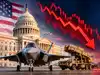
US defence stocks tumble as Democrats’ midterm victory raises Pentagon spending concerns
Defence stocks experienced a significant decline after Democrats won the midterm elections and will control Congress. Investors are concerned about potential scrutiny on Pentagon spending, affecting military programmes proposed by Donald Trump. Companies like Lockheed Martin and RTX saw their stock prices drop significantly. Analysts predict a projected defense budget closer to prior proposals rather than Trump's request.

Democratic wave in US midterm elections weakens Trump at home, opens a new front for India-US ties in Congress
The recent US midterm elections saw the Democratic Party gain significant power in the Senate and House. This shift reflects widespread dissatisfaction with the current Republican leadership and its policies. President Trump's influence over the Republican Party may decline following this electoral outcome. Key policy decisions regarding foreign affairs, including relations with Iran, could be affected by these changes.

Why did the Dow Jones jump 1,250 points today after Democrats won Congress while Tesla, SpaceX and AI stocks struggled? Will a Democratic Congress slow the AI boom?
Wall Street took the election result well on Wednesday, yet some names missed the rally. Democrats won Congress, and the Dow climbed 1,245 points, or 2.40% by 10:44 am ET. The S&P 500 rose 1.52% and the Nasdaq gained 1.82%. But Tesla, SpaceX and data centre stocks fell, as investors worry tighter rules may slow the AI boom.

US stocks today: US stocks rally after Democrats' midterm sweep as AI infrastructure stocks slide
US stocks rallied after Democrats secured control of both chambers of Congress in the midterm elections, easing concerns over major policy shifts. The Dow, S&P 500 and Nasdaq advanced, while data centre stocks declined amid AI regulation concerns. AMD gained on its upbeat 2027 growth forecast, while clean energy stocks surged.

Why are companies restricting AI access to employees
Goldman Sachs, Uber, JPMorgan and Nvidia are some of the global firms that have restricted their employees’ usage of AI tools

Fridge hacks and finance attacks flag AI insecurity
The growing use of AI in cyberattacks could pose a major threat to the global economy, financial markets and critical infrastructure, according to a Reuters commentary by Mike Dolan.

India aiming to achieve Rs 3 lakh crore defence production, Rs 50K crore defence exports by 2029: Rajnath Singh
India aims to build a self-reliant defence ecosystem to meet national security challenges effectively. Defence Minister Rajnath Singh highlighted budget increases and production goals during a recent meeting. The focus includes modernizing military capabilities and enhancing personnel preparedness for contemporary warfare. Strategic autonomy, technological advancements, and operational readiness are crucial for India's military future. The objective is a military that can handle various security challenges through continuous modernization efforts.

Dhurandhar doctrine of national security
India's Arunachal Pradesh minister Balo Raja has suggested the use of cinema to enhance national security awareness. His recommendation follows discussions regarding ongoing tensions with Chinese troops along the border. Raja referenced the success of Aditya Dhar's films in promoting India's intelligence capabilities and resilience. Historical examples from past films, particularly Mr India, highlight cinematic impact on national perception.
Load More


