
DEEPFAKE CONTENT MODERATION
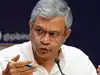
Vaishnaw puts onus on social media platforms to curb online harm, stops short of safe-harbour clarity
Vaishnaw said social media companies could no longer remain passive intermediaries as the digital ecosystem evolved and must take responsibility for the harmful consequences of content circulated through their platforms, including cyber fraud and so-called digital arrest scams.

Deepfakes muddy protest coverage as online platforms restrict individual accounts
Several AI-generated clips have gone viral on Instagram, Facebook and X, drawing millions of views and comments. A recent viral clip of a woman criticising the protests, for instance, led users to an Instagram profile that regularly posts AI-generated political content.

Oversight Board blasts 'inadequate' Meta safeguards for AI deepfakes
Meta on Thursday moved to remove AI-generated videos targeting two women, including a British politician, after the tech giant's Oversight Board blasted its "fundamentally inadequate" safeguards against proliferating deepfakes. "From politicians to private citizens, AI-generated deepfakes are increasingly being used to harass and silence women from engaging in public discourse," Oversight Board Cochair Pamela San Martin said in a statement.

Govt-Meta meeting later this week to assess progress after multiple rounds of talks on issues
A technical round of discussions followed on Friday, during which the social media company detailed how it plans to address the Centre's concerns over deepfakes, child sexual abuse material and unlabelled synthetically-generated content on its platforms. The government had asked Meta to take specific measures and report back on the outcomes.
India asks Meta to revamp algorithms, submit roadmap to fight deepfakes
MeitY has directed Meta to revamp algorithms and provide a compliance roadmap. Officials also asked Meta to tighten content moderation and act faster on takedown requests. The directive came after Meta admitted gaps in its current systems for harmful content. Discussions focused on algorithmic changes to limit propaganda and manipulated media spread.
Meta must follow Indian law, not just global rules, say government sources after MeitY talks
India's government clarified Meta platforms must follow Indian laws and not just global policies. Officials stressed the need for greater local input and language understanding for content moderation. Zero tolerance for child sexual abuse material requires stronger, proactive measures from Meta. Concerns were raised about deepfakes and the repeated reappearance of removed content.
- Go To Page 1

MeitY asks Meta to revamp algorithms, curb deepfakes and illegal content on platforms: Government sources
India's MeitY has urged Meta to revise its algorithms and provide a compliance roadmap. The government seeks stronger detection and removal of harmful and manipulated content. Meta's technical team met with MeitY officials to discuss existing content moderation systems. The company acknowledged system gaps and outlined potential technical measures for synthetic content. Discussions continue as India tightens regulations on synthetically generated information.

Government examines if Meta recommendation system deciding 'what-to-show-to-whom' fits intermediary status
If a platform determines what content gets shown to users, it amounts to publishing, and platforms would then have to take responsibility for their actions. The issue assumes significance as intermediaries enjoy certain legal protections under the Act, subject to compliance with prescribed conditions.

Meta promises stronger action on CSAM, deepfakes after meeting with Ashwini Vaishnaw
Meta representatives engaged in discussions with Minister Ashwini Vaishnaw to ensure alignment with Indian laws. Key topics included the removal of child exploitation material and the regulation of deepfake content. The company is mandated to adhere to local laws, dismissing any foreign legal standards. The government plans to scrutinize Meta's moderation policies and the accountability for paid content. Furthermore, notable Indian profiles will have safeguards against unjust removal.

Researchers unmask trade in nude images on Telegram
Campaign group AI Forensics said it found almost 25,000 active users in a six-week study of Spanish and Italian groups who were sharing images such as unclothed women, often exchanged for cash.

Decoding 3-hour deadline for companies to axe flagged AI-made posts
The latest IT rules in India now bring artificial intelligence under legal oversight for the first time. Intermediaries must act faster to remove flagged unlawful content, including deepfakes targeting women and children. The amendments also introduce a labelling mandate for AI-generated audio, visual, or audio-visual content.

UNICEF calls for criminalisation of AI content depicting child sex abuse
The United Nations children's agency UNICEF on Wednesday called for countries to criminalize the creation of AI-generated child sexual abuse content, saying it was alarmed by reports of an increase in the number of artificial intelligence images sexualising children.

Why Grok, not ChatGPT or Gemini, became epicentre of obscenity backlash
Grok’s Spicy mode has come under fire for generating non-consensual, sexually explicit images. Its deep integration with microblogging platform X has worked to its disadvantage, as Grok can be invoked directly in X posts, replies, and chats, pushing lewd images into the public feed by default.

ET Explainer: What is Trump's Take it Down Act to tackle ‘revenge porn’
President Trump has signed the Take it Down Act, a federal law criminalising the publication of non-consensual intimate images, including deepfakes. Offenders face imprisonment and fines, with harsher penalties for content involving minors. Platforms must remove illegal content within 48 hours of a victim's request, raising concerns about potential misuse and the burden on smaller platforms.

'Tool for grifters': AI deepfakes push bogus sexual cures
Holding an oversized carrot, a brawny, shirtless man promotes a supplement he claims can enlarge male genitalia -- one of countless AI-generated videos on TikTok peddling unproven sexual treatments. In some TikTok videos, carrots are used as a euphemism for male genitalia, apparently to evade content moderation policing sexually explicit language.

AI ‘Tsunami’ hits Canadian election online, but voter impact limited
Experts warn of a "dystopian" surge in AI-generated election content online, filling the news void created by the Online News Act. Despite deepfakes and fake news, the MEO finds little evidence of widespread voter manipulation. Canadians show increased awareness of online interference, engaging more with legitimate news sources

Elon Musk's X sues to block Minnesota 'deepfake' law over free speech concerns
The law replaces social media platforms' judgment about the content with the judgment of the state and threatens criminal liability if the platforms get it wrong, according to the lawsuit that was filed in Minnesota federal court.

Meta says gen AI had muted impact on global elections this year
Nick Clegg, Meta's president of global affairs said that the attempt to spread propaganda or false content in Facebook and Instagram largely failed. He said that Meta was able to quickly label or remove AI-generated misinformation. Coordinated networks of accounts attempting to spread false content are moving on to other social media and messaging apps with fewer safety guardrails.

South Korea police launch probe into whether Telegram abets online sex crimes, Yonhap reports
South Korean police have initiated an investigation into the messaging platform Telegram for allegedly aiding in the distribution of deepfake online sex crimes. Authorities are seeking cooperation from social media platforms to combat this issue. Reports claim that explicit deepfake images and videos of South Korean women are commonly found in Telegram chatrooms.

Explained: Why South Korea is on high alert over deepfake sex crimes
Several domestic media outlets reported recently that sexually explicit deepfake images and videos of South Korean women were often found in Telegram chatrooms.

YouTube makes it easier to take down AI deepfakes
This shift indicates that YouTube now considers deepfakes primarily a privacy issue rather than just a content moderation challenge. One can now submit a request to YouTube to take down deepfakes through the privacy request process. In India, discussion on deepfakes gained momentum after a short clip of actor Rashmika Mandanna went viral last year.

Meta to start labeling AI-generated content in May
Facebook and Instagram giant Meta on Friday said it will begin labeling AI-generated media beginning in May, as it tries to reassure users and governments over the risks of deepfakes. - Biden deepfakes - Meta said its rollout will occur in two phases with AI-generated content labeling beginning in May 2024, while the removal of manipulated media solely based on the old policy will cease in July.

Big tech told to identify AI deepfakes ahead of EU vote
The EU called on Facebook, TikTok and other tech titans on Tuesday to crack down on deepfakes and other AI-generated content by using clear labels ahead of Europe-wide polls in June. In the new guidelines, the commission said the largest platforms "should assess and mitigate specific risks linked to AI, for example by clearly labelling content generated by AI (such as deepfakes)".

Detecting deepfakes should not be the sole responsibility of platforms: Sam Gregory
Sam Gregory, executive director of Witness, a global human rights organisation, which uses video and technology to expose human rights abuses and has worked on the threats of AI and deepfakes, spoke to ET about AI related challenges and strategies in elections.

X implements restrictions on Taylor Swift searches amidst deep-fake image controversy
Last week, explicit AI-generated images of Taylor Swift caused uproar on X (formerly Twitter), leading to the platform blocking searches for 'Taylor Swift' temporarily. The Verge reported that searches for her name yielded a message with no images, later confirmed by Times of India-Gadgets Now. Joe Benarroch from X mentioned the move prioritizes safety. Politicians, including Microsoft's Satya Nadella, criticized the incident. X plans to hire 100 employees for a new trust and safety office in Austin, responding to concerns about content moderation post-Elon Musk's takeover.

Deepfake explicit images of Taylor Swift spread on social media: Swifties are fighting back
Swift's ardent fanbase of "Swifties" quickly mobilised, launching a counteroffensive on the platform formerly known as Twitter and a #ProtectTaylorSwift hashtag to flood it with more positive images of the pop star. Some said they were reporting accounts that were sharing the deepfakes.

Deepfake porn could be a growing problem amid AI race
Porn created using the technology first began spreading across the internet several years ago when a Reddit user shared clips that placed the faces of female celebrities on the shoulders of porn actors.

TikTok updates content rulebook as pressure from West builds
The company released a reorganised set of community guidelines that include eight principles to guide content moderation decisions.

As deepfakes flourish, countries struggle with response
In most of the world, authorities can't do much about it. Even as the software grows more sophisticated and accessible, few laws exist to manage its spread.
Load More

