
DEAD FISH FOUND FLOATING
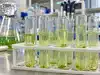
MIT scientists kept growing ocean microbes that clung to test tubes; the sticky share rose from 6% to 85%, revealing a hidden way they release carbon into water
Prochlorococcus, a small but abundant marine microbe, was thought to exist mainly as solitary cells. New research findings reveal that it can form biofilms and attach to particles. This discovery has implications for understanding the biological carbon pump in the oceans. While these microbes can switch between free-floating and attached forms, they contribute significantly to carbon transport. Scientists are further investigating the role of attached Prochlorococcus in marine ecosystems.
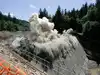
Illinois removed dams from Brewster Creek in 2006; by 2014, surveys had found 14 fish species not previously recorded in the restored stretch, including catfish
Since the dismantling of several dams in 2006, Brewster Creek has experienced remarkable ecological transformation. The removal of barriers allowed fish species like smallmouth bass and quillback to flourish in the area, leading to a notable increase in overall fish diversity, with 14 new species discovered. Moreover, the ongoing research highlighted natural channel evolution and sedimentary stability, making Brewster Creek a pivotal reference for future ecological restoration initiatives.
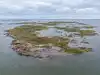
Most of Louisiana's Rabbit Island was flooded in 2020; after crews restored 102 acres of nesting habitat, birds built more than 11,600 nests in the first season
Rabbit Island, located in southwestern Louisiana, is undergoing an extensive restoration project aimed at reviving habitats for colonial waterbirds. Initiated in 2020, the initiative tackles erosion and habitat loss brought on by various challenges. The first season saw over 11,600 nests discovered, exceeding expectations considerably. To further combat erosion, limestone rock baskets were installed, enhancing the area's viability for wildlife.
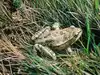
Yosemite had lost its red-legged frogs; in 2016, teams began restoring the population, and 10 years later, the program reached 10,000 releases as recovery continues
The successful reintroduction of California red-legged frogs to Yosemite marks a significant achievement in conservation efforts that began in 2016. With the first breeding in 2019 and the special release of the 10,000th frog, affectionately named 'Twain', these frogs now thrive in the valley, representing generations of recovery. Future plans include raising and releasing additional juveniles to ensure continued population growth within this iconic national park.
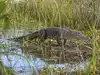
More than 5,500 volunteers classified Florida wildlife photos; over 1 million classifications recorded 43 species across 14 management areas
In the Everglades, thousands of enthusiastic volunteers have played a pivotal role in wildlife identification through camera trap images. So far, the initiative has meticulously cataloged over 100,000 photos, revealing 43 distinct species across various Wildlife Management Areas. This valuable data aids biologists in understanding animal populations and monitoring diseases in indigenous species.
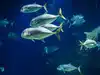
In 2024, 1,865 volunteers reviewed underwater videos; cameras recorded 4 fish species missed by traditional traps
The Where's Walleye? project showcases how researchers leveraged traditional fish traps and high-tech underwater cameras to refine fish survey methods. With assistance from 1,865 citizen scientists, the project analyzed video footage to identify diverse fish species. Remarkably, the underwater cameras uncovered four species previously missed by conventional techniques, enhancing our comprehension of aquatic ecosystems and aiding in rare species monitoring.
Around 2,000 seabirds have washed ashore in California. Is intense El Niño reshaping marine life along the Pacific Coast?
Pacific Wildlife Care is treating an unprecedented number of seabirds suffering from starvation this year. The increase is attributed to climate change and the El Niño phenomenon, leading to warmer ocean temperatures. Many seabirds, particularly common murres, are arriving in poor condition and need medical assistance. A significant number of dead seabirds have been found along California beaches this autumn.
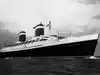
This ocean liner was the world's fastest. It's being sunk to make the largest artificial reef
The SS United States is scheduled to be sunk off the coast of Florida on Wednesday. This project aims to create the largest artificial reef, attracting divers and fishermen. The ship once set speed records and carried many famous passengers during its voyages. Preparations for the sinking involved removing specific features to facilitate its descent.
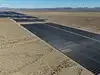
Karnataka plans feasibility studies for 1,500 MW floating solar capacity
Karnataka is currently exploring the establishment of floating solar power projects aimed at generating 1,500 MW capacity. The initiative includes conducting feasibility studies and surveys for suitable reservoirs and water bodies. KPCL will evaluate technical aspects and environmental impacts as part of project preparation. This project reflects the state's commitment to innovative renewable energy solutions while optimizing land and water resources.
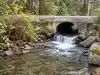
California replaced a fish-blocking pipe on Fort Goff Creek with a bridge in 2014; later monitoring found 64 Chinook salmon nests upstream
In California, the removal of the culvert on Fort Goff Creek has significantly enhanced fish passage, particularly for salmon. Completed in 2014, a new bridge now connects fish to breeding grounds that were previously inaccessible. Biologists found 64 nests of Chinook salmon in this newly opened habitat, highlighting the importance of addressing culverts nationwide to improve aquatic ecosystems and connectivity.

Pakistani TV anchorperson Rabia Ahsan shot dead at home in Rawalpindi
Rabia Ahsan, a Pakistani anchorperson, was killed at her home in Rawalpindi recently. Police took her husband into custody as a suspect after the incident occurred. The police reported that the victim's husband claimed the gunshot was accidental, which is under investigation. First Lady Aseefa Bhutto-Zardari condemned the violence and called for a thorough inquiry into the case.

British father, who says his last prize was a dead goldfish at a fair, wins a mortgage-free £4m North Yorkshire mansion and £250,000 cash after buying a £30 Omaze entry
Malcolm Disson recently achieved an extraordinary win through an Omaze entry costing only £30. He is now the proud owner of a £4 million mansion in North Yorkshire. The win also includes additional cash of £250,000 and the mansion comes with various luxurious features. Disson expressed disbelief as he reflected on his past luck, which had previously included winning only a dead goldfish.
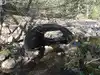
In 2017, California replaced a fish-blocking road crossing on Upper Green Valley Creek; surveys later found 136 young steelhead upstream of the former barrier
In 2017, engineers undertook a significant project to replace an old culvert that hindered fish migration in Upper Green Valley Creek. The successful replacement is evidenced by the discovery of 136 young steelhead fish in previously unreachable habitats. Researchers are actively studying the long-term effects on these fish populations and their growth.
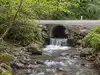
For 20 years, a road culvert blocked fish in California’s Sharber-Peckham Creek; crews replaced it in 2016, and 2017 monitoring found 740 juvenile coho upstream
In Northern California, a four-foot metal pipe had hindered salmon migration for two decades. After its replacement, juvenile coho salmon gained access to essential spawning habitats. This case underscores the critical situation of culverts obstructing fish passage nationwide. Recent research has identified the need to evaluate these structures for effective prioritization in upgrades. Continuous investment, study, and conservation efforts are essential for sustaining fish habitats.

Poland shooting: 3 bodies found at home of Krakow gunman; 6 killed, 15 injured in attack
A mass shooting occurred in Krakow, resulting in six fatalities and multiple injuries among the crowd. The attacker, identified as holding radical views, was shot and wounded by police. Authorities discovered three deceased individuals believed to be the suspect's family members at his home. Krakow's city officials declared a period of mourning following the tragedy in a major tourist area.

World's largest penguin colony loses 63% of its Penguins; scientists say climate change is to blame, not volcano
Zavodovski Island, located in the frigid reaches of Antarctica, has witnessed a staggering decline of nearly two-thirds in its breeding chinstrap penguin population since 2011. Researchers attribute this worrying trend to environmental changes and rising ocean temperatures. In contrast, macaroni penguins have thrived, experiencing a 28% increase in numbers, highlighting a shift in biodiversity.
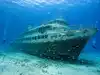
In 2025, the 867-ton Spirit of Norfolk was sunk off Florida’s Okaloosa County coast; the former dinner cruise ship now rests 128 feet underwater
In June 2022, the Spirit of Norfolk, a dinner cruise vessel, suffered a devastating fire and was declared unusable. Following a period of storage, Okaloosa County acquired the ship with a unique plan: to intentionally sink it 128 feet below the surface, creating an artificial reef. This innovative project supports marine ecosystems in line with Florida's commitment to improving underwater habitats through repurposed ships.
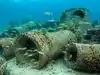
In 2023, North Carolina sank 1,700 tons of concrete pipes and manholes at AR-305; the material added fish habitat off the coast of Beaufort
In July 2023, the North Carolina Division of Marine Fisheries implemented an innovative project by submerging recycled concrete pipes and manholes as artificial reefs about 28 miles off Beaufort. This initiative has successfully lured both fish and divers, showcasing the potential of reclaimed materials to enhance marine habitats. However, while artificial reefs show promise, they are not a complete fix for diminishing fish habitats.
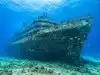
In 2024, the US military sank the 360-foot Monarch Countess weighing 2,743 tons; the retired vessel now rises 100 feet from the seafloor in 180 feet of water
The Monarch Countess, a roll-on/roll-off vessel, now rests serenely on the Gulf of Mexico's seabed. This ship, having been adapted for military tests and enticing tourists, has become a focal point for ecological studies. Research indicates that artificial reefs like the Countess support marine biodiversity. Continued observation will reveal its long-term influence on local fish populations, potentially transforming the area into a prime fishing and diving destination.
Load More


