
CONTROLLED ENVIRONMENT FOR MICROORGANISMS

Cake baked inside a sealed canning jar may look like a clever shelf-stable gift, but its moist, low-acid interior can create conditions where botulism can grow
Mason jar desserts, such as cakes and breads, pose serious safety concerns primarily due to the risk of botulism. Unlike traditional canning methods that ensure food safety, these jars lack the necessary precautions. The moist conditions inside the jars can foster bacterial growth silently. Experts recommend treating these desserts with caution and disposing of them properly. Instead, consider making safe dry ingredient mixes in jars, which eliminate any health hazards.

Meet Armaan Dhanda, who left college at 22 to turn microbes into tiny factories, his biotech startup raised $2.6 million
Dhanda co-founded the company with Samyak Baid, and they met at the National University of Singapore (NUS). The main approach of the business is to change how ingredients are manufactured. Notably, the company raised $2.6 million in pre-seed funding in 2025 to develop its technology, which uses engineered microbes to produce ingredients from simple sugars.

Genetically modified microbe could help make Mars habitable, researchers say
At Pioneer Labs, a biotech startup based in Emeryville, Calif., researchers have engineered a bacterial strain that can grow under simulated Martian conditions. The microorganism, dubbed sPL.001, can degrade toxic compounds in Martian soil analogs and produce bioplastics that could be used in future space settlements.
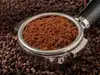
Your daily coffee may be doing more than keeping you awake — scientists found a surprising link between your gut, brain and coffee habit
A recent study examined how coffee consumption affects mood and gut health in regular drinkers. Researchers found that both caffeinated and decaffeinated coffee influenced psychological measures and gut bacteria. Although changes were noted, the study did not conclusively prove coffee's benefits for mental health. The influence of gut bacteria on brain signaling after coffee consumption posed new scientific inquiries. Larger and longer studies are necessary to further understand these interactions.

Could bacteria hold the secret to delaying death? Magnetic microbes extended worm lifespan by more than 43% in a new ageing study
Researchers at Hefei Institutes of Physical Science found that Magnetospirillum magneticum AMB-1 increased the lifespan of C. elegans by 43.39%. The treated worms demonstrated improved neurological function and intestinal health as they aged. The study linked these benefits to reduced ferroptosis and iron accumulation, highlighting the role of magnetosomes. Comparisons with non-magnetotactic bacterial strains suggested the importance of magnetosome production in lifespan extension.

In 2010, Cannock used anaerobic digestion to process 120,000 tonnes of food waste; the result generated renewable electricity and exported surplus power to the grid
In 2010, a major change was taking shape at the Poplars waste site near Cannock, Staffordshire. Plans were being developed for a large anaerobic digestion facility that could process up to 120,000 tonnes of food waste each year. The plant was not yet operating at that scale in 2010; it opened in 2011. But the project marked an important shift in how food waste could be handled.

Biomoneta launches Avata Air through Panasonic’s MirAIe Lifestyle platform
Biomoneta’s microbial air-decontamination technology has previously been deployed and evaluated in healthcare environments, including intensive care units, operating theatres, IVF facilities and neonatal care facilities

Samantha Ruth Prabhu reveals South Indian snacks she gorged on during pregnancy cravings. Gut health expert Dr Pal Manickam says one of them is low-calorie and can cure your gut
Actress Samantha Ruth Prabhu recently admitted that, like all expecting women, she too had experienced intense food cravings during her pregnancy. She said that she craved idlis at breakfast, often relished curd rice for lunch, and enjoyed dosas for dinner. Many of these popular South Indian dishes are not just delicious but also have health benefits.

You don't use unwashed glasses then why drink straight from cold-drink cans? Food-safety guidance says cleaning it is very important
Drinking a cold drink straight from the can is a common habit, especially when the beverage is already chilled and there is no glass around. But while the drink remains sealed inside, the outside of the can goes through a very different journey before it reaches the consumer. Food-safety guidance has some simple advice on what people should do before putting the can directly to their lips, and the reason behind it may make you reconsider this everyday habit

In a 2011 Oak Ridge case study, ethanol-fed microbes cut uranium in groundwater from 40-60 mg/L to below the US drinking-water limit
By utilizing ethanol injections, researchers effectively stimulated indigenous bacteria to aid in the cleanup of uranium contamination. This innovative method was able to convert ethanol into acetate, which energized the reduction of uranium within the sediment. Over two years, levels of uranium in groundwater fell below the EPA's safe drinking water threshold, thanks to the ongoing delivery of ethanol that helped maintain these low levels.

In 1962, NASA packed 22,900 gallons of water into a Saturn I rocket and deliberately released it 65 miles above Earth to see how water behaved in the upper atmosphere
NASA scientists have long explored recycling resources for extended space travel. Plants and microorganisms could help regenerate vital supplies for astronauts. Reliable mechanical and biological systems are crucial for mission success. Recycling reduces the immense cost of launching supplies from Earth. This technology is fundamental for future lunar and Martian exploration.

World’s biggest citrus waste-to-energy plant is being built in Brazil: 2.1-million-square-foot facility to turn orange juice waste into 1.77 million cubic feet of biogas every day
Brazil is building the world’s biggest citrus waste-to-energy plant, a 2.1-million-square-foot facility designed to transform orange juice wastewater into renewable energy. The project is expected to generate 1.77 million cubic feet of biogas every day, replacing fossil natural gas while reducing emissions and turning citrus waste into a valuable energy resource.
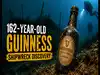
In 1864, a bottle of Guinness was brewed under Queen Victoria; 162 years later, divers recovered it from a shipwreck, where its preserved yeast may help recreate the taste of Victorian stout
A 162-year-old Guinness bottle has been pulled from a shipwreck in the English Channel, opening a rare window into Victorian brewing. The sealed bottle came from the Mindoro, which sank in 1864 during Queen Victoria’s reign. Now, divers and researchers want to know what is inside. Could the ancient Guinness still reveal its original yeast, chemistry and flavor? The answer may change what we know about 19th-century stout.

In 130 days, deep beneath the Ore Mountains bacteria turned uranium-contaminated mine water into a chemical trap, removing 95% of the dissolved metal and forming a rare compound that can remain stable for decades
Deep underground, bacteria may offer a new answer to uranium contamination. In a 130-day laboratory experiment, microbes fed with glycerol removed about 95% of dissolved uranium from contaminated mine water. The bacteria did more than trap the radioactive metal. They helped form FeU(V)O₄, a rare and unusually stable uranium compound. The finding could reshape research into uranium bioremediation, groundwater cleanup, and radioactive waste control.

10th-grade student turns coconut husk into a natural filter that can remove microplastics from seawater
A 10th-grade student in Hawaii began with a project to filter polluted seawater using coconut husks. Her research later found naturally occurring fungi in the husks that may help break down microplastics and sunscreen compounds.

Cold water and AC do not have viruses. Then why do you get sore throat if you drink ice water or sleep under AC? Doctor explains: 'Cold water doesn't...'
While cold water and air conditioned room themselves do not contain viruses, what they do affect is our immune system. Temperature in the atmosphere does have an impact on how our bodies react to a viral attack or an infection.

How Did People Preserve Food Before Modern Kitchens?
Before refrigerators, people used clever methods like salting and fermentation to keep food fresh. These ancient techniques focused on controlling moisture and microbes. Today, modern kitchens have refrigerators, but the core ideas of managing moisture, oxygen, and microbes remain the same. These principles ensure food stays usable for longer periods.

Soil microorganisms offer potential solution to Patulin toxin in food
Researchers from Tokyo University of Science have discovered a filamentous fungal strain, Acremonium sp. or "TUS-MM1," that can effectively degrade the mycotoxin patulin into a less harmful compound. The team cultured microorganisms from soil samples known for their patulin-rich environment and identified the most effective strain using high-performance liquid chromatography. The strain was able to transform patulin into desoxypatulinic acid, significantly reducing its toxicity.

Rourkela Steel Plant: Making Steel in harmony with nature
Regular monitoring, sampling and analysis of various environmental parameters are also being carried out for taking corrective actions for continuous improvement.
Load More


