BATHROOM CLEANING HACKS
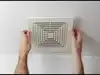
Bathroom exhaust fan cleaning tips? Try these easy home cleaning methods to remove dust, grease and grime
Maintaining bathroom exhaust fans through regular cleaning not only prevents the accumulation of dust and grime but also enhances their efficiency. Always ensure the power supply is turned off prior to cleaning. Start by using a soft brush or dry cloth to eliminate loose dust. For stubborn greasy residues, a gentle soap solution works wonders. Finally, confirm that all fan components are dry before switching the power back on.
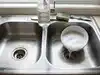
Vinegar and baking soda for kitchen and bathroom drains: Here's how this simple home hack works, its benefits, limitations and the right way to use it
Utilizing vinegar and baking soda is an effective way to refresh kitchen and bathroom drains. This trusty duo works by loosening surface buildup and minimizing unpleasant odors. However, it may not resolve severe blockages entirely. For more stubborn clogs, consider mechanical solutions or consulting a professional. Remember to keep homemade cleaners separate from store-bought chemical drain products to avoid any hazardous reactions.
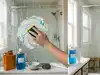
Baking soda, detergent and toothpaste cleaning hack: Easy way to clean dirty shower glass at home
Crafting a homemade glass cleaner is an effective way to eliminate soap scum and stubborn stains from your shower. Combining baking soda as a mild abrasive with detergent to break down grease, you'll achieve a smooth paste with toothpaste. Gently apply this mixture and rinse well, ensuring to dry the surface with a clean cloth afterward to avoid pesky water marks and streaks.
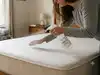
White vinegar mattress cleaning hack: How to spray vinegar on your bed to reduce odours, dust and keep it fresh
Diluted white vinegar serves as an excellent remedy for neutralizing odors from your mattress and minimizing moisture. By lightly spraying a mix of vinegar and water on the surface, you can refresh the fabric while deterring pests. Let the solution rest for an hour before vacuuming it up for the best results.
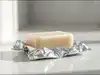
How a layer of aluminum foil keeps your soap intact and prevents it from turning into a soggy mess, this easy bathroom cleanliness hack can keep your counter clean with zero extra effort
Using a simple sheet of aluminum foil can dramatically enhance your soap dish's cleanliness. This unassuming kitchen staple serves as an effective barrier against moisture and mess. By placing foil beneath the soap bar, you prevent slimy residue from accumulating. Additionally, wrapping a wet bar with foil promotes quicker drying time post-bath, ensuring that your soap remains intact and your bathing area stays spotless.
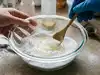
Mixing detergent with baking soda & sugar: How to use this cleaning hack correctly and what is recommended
Best kitchen cleaning hacks: A simple homemade paste uses detergent, baking soda, and sugar for cleaning. Detergent loosens grease and dirt, while baking soda offers mild abrasion. Sugar adds texture but is not a disinfectant for killing germs. This mixture works well on kitchen and bathroom surfaces for stuck-on residue. Always test on a hidden area before widespread application.
- Go To Page 1
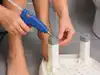
Applying glue to bathroom stool feet: How this simple hack can help prevent injuries & what is actually recommended
Glue hacks: For a quick and easy bathroom upgrade, try this hot glue hack to help stabilise your stool on slippery floors. Simply apply small dots of hot glue to the feet to create extra texture and grip. This method works best on clean, dry surfaces and is most suitable for lightweight stools. For wet areas or heavier use, it is better to invest in purpose-made non-slip feet.

These sustainable houses built from waste cost under $300: 2 tonnes of discarded plastic can become a home in just 7 days
A Mexican entrepreneur is turning discarded plastic into affordable, sustainable homes that cost under $300. Each house uses around 2 tonnes of plastic waste and can be built in just seven days, offering a creative way to tackle both plastic pollution and the shortage of low-cost housing. The unusual project has already grown to hundreds of rooms and homes in Mexico.
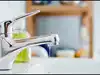
Bathroom tap cleaning tips? Try these easy home hacks to remove water stains, limescale, soap marks and dirt
To maintain a sparkling kitchen, it’s essential to wipe down faucets after every use to eliminate water spots and residue. If you encounter stubborn limescale, a solution of white vinegar can work wonders. For regular upkeep, a dab of mild dish soap removes everyday soap scum and grease. Don’t forget to clean around the base and aerator for a thorough finish while being gentle to avoid damaging the fixtures.
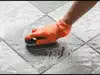
Bathroom floor cleaning tips? Try these easy home hacks to remove dirt, soap residue, water stains and grime
Using warm water is a fantastic way to lift away daily dirt and recent build-up on your bathroom floors. For tackling hard surfaces, white vinegar is your go-to for removing water stains, while baking soda is perfect for busting through tough grime. Grout lines need special attention; use a soft brush along with a suitable cleaner. Dish soap is great for light grease on compatible floor types.
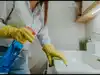
Washbasin cleaning tips? Try these easy home hacks to remove water marks, toothpaste stains, soap scum and dirt
Keeping your washbasin clean is essential to prevent unsightly toothpaste marks and soap residue. Use baking soda to eliminate stubborn grime on wet surfaces. A mixture of vinegar and water can remove any water marks. For those tricky spots around the tap and drain, an old toothbrush works wonders. Make sure to dry the basin after cleaning to avoid pesky water spots and preserve its freshness.
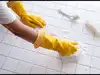
Bathroom tile cleaning tips? Try these easy home hacks to remove soap scum, water stains, grime and dirt
Bathroom tiles can quickly lose their luster due to the accumulation of residue and grime. To restore their shine, use white vinegar to eliminate water stains and mineral deposits. Baking soda paste is excellent for stubborn grime, while dishwashing liquid tackles soap scum effectively. Utilize an old toothbrush to scrub tile grout, and make a habit of wiping tiles dry after showers.
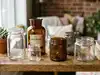
What to do with empty candle jars? Try these 4 creative DIY ideas to turn them into useful home essentials
Empty candle jars present a fantastic opportunity for creative home organization. Their durable structure makes them ideal as delightful mini planters, perfect for tiny succulents or herbs. They also function as clever organizers for an array of small household items. In wider jars, one can neatly store essentials such as spices or tea bags. Additionally, enthusiasts can breathe new life into these jars by creating homemade candles.
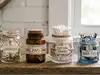
How to reuse empty cream or oil bottles: Easy DIY crafts & hacks to turn waste into useful home items
Empty beauty and oil containers can be surprisingly useful around the home. With a thorough clean, many of them can be repurposed in simple and practical ways. Small jars can be turned into mini planters or used to organise small items, while pump bottles can work well as dispensers for liquid soap or suitable travel-sized toiletries. If a container is difficult to clean or not suitable for reuse, recycling it is always a better option.
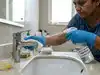
White vinegar cleaning hack: Easy way to remove stubborn mineral deposits and white stains from bathroom and kitchen faucets
White vinegar is a powerhouse when it comes to tackling mineral deposits and limescale on kitchen and bathroom faucets. Thanks to its natural acidity, it breaks down stubborn residue, making your fixtures gleam again. Simply apply the vinegar directly or use a cloth soaked in it, letting it sit for a few minutes before scrubbing gently to remove the buildup.
What happens when you spray vinegar on your walls? Here's why people recommend it
White vinegar for mold removal hack: Mold thrives in damp conditions, but there's an effective solution: white vinegar. Its acetic acid content is a powerful ally against household mold. To treat small patches, spray undiluted vinegar and scrub after thirty minutes. Remember, the key to preventing mold from returning is to fix the moisture problem.
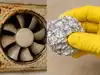
Aluminium foil to remove rust from exhaust fan: How to use this simple DIY hack safely
Using aluminum foil is an effective trick to eliminate light rust from exhaust fan surfaces. This method works well on unpainted steel and iron, requiring only a gentle rub. However, it is not suitable for severe rust damage or painted surfaces. Always remember to unplug and ensure the fan is dry prior to cleaning. Consistent cleaning and drying can help prevent future rust issues.
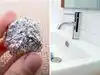
Aluminium foil can help remove rust spots in your bathroom. How to get rid of stains? Check other uses of it
Aluminium foil can be surprisingly useful beyond the kitchen. In the bathroom, it may help remove light rust from suitable metal surfaces, revive tarnished accessories and clean certain chrome fixtures. It can also protect handles and small items from paint or cleaning splashes during DIY and deep-cleaning jobs. However, avoid using foil on delicate, coated or easily scratched surfaces to prevent damage.
Put a thin ring of baking soda around your toilet and leave it for some time; here’s what it does
Baking soda offers a simple solution for household odors and light grime. This alkali ingredient neutralizes acidic odor compounds, unlike air fresheners. A study showed baking soda significantly reduced detectable smells from discarded organic waste. While not a disinfectant, it effectively tackles odors and mild dirt when scrubbed. This inexpensive kitchen staple provides a practical cleaning and deodorizing benefit.
Why more people are putting baking soda in their bathrooms; the benefits are surprisingly practical and it costs almost nothing
Baking soda offers a simple home trick for bathroom freshness. It effectively absorbs unwanted moisture and neutralizes unpleasant odors around the toilet. This natural absorbent helps keep the toilet area drier and cleaner. Using baking soda reduces the need for harsh chemical cleaning products. The ingredient is easy to apply and commonly found in households.

Tie a bag of vinegar around a clogged shower head; here’s what the overnight soak removes
Mineral build-up can severely affect the performance of your shower head, leading to decreased water pressure and inefficient spray. Utilizing white vinegar, renowned for its acetic acid content, can efficiently dissolve these stubborn deposits overnight. This simple yet cost-effective method not only enhances water flow but also spares you from costly repairs. Always remember to consult the manufacturer’s guidelines, especially for specialized finishes.
Why people spray vinegar on shower doors and the 15-minute trick that lifts cloudy hard-water deposits
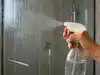
Hard water minerals cause cloudy shower doors, leaving a chalky film behind. White vinegar, a weak acid, effectively dissolves these mineral deposits from glass. This inexpensive cleaning method is popular among renters for its simplicity and availability. Warming vinegar slightly and letting it sit for fifteen minutes aids its effectiveness. This technique offers a practical solution for tackling stubborn limescale buildup on shower screens.

It sounds ridiculous, until you learn why people do it. A roll of toilet paper in the fridge?
Toilet paper in the fridge sounds bizarre, but millions are searching this viral refrigerator hack to learn whether it really removes bad odors. The truth is more practical than social media suggests. A fresh roll may absorb some excess moisture, but it cannot eliminate the real source of fridge smells. Cleaning experts say proper food storage and regular refrigerator cleaning remain the most effective ways to keep odors away and food fresher for longer.

Why some people put salt in the toilet before sleeping? The small overnight fix that stops one common bathroom smell
A popular TikTok trend involves sprinkling salt in toilet bowls overnight. This hack offers mild abrasive cleaning for light residue removal. However, salt alone does not effectively kill germs or disinfect surfaces. Baking soda is a better option for controlling bathroom odors effectively. Proper cleaning and disinfecting routines remain essential for hygiene.

How to clean tight bathroom corners, which are often the worst offenders, using dental floss
Tight bathroom corners often harbor grime and bacteria, which regular cleaning tools cannot reach effectively. Dental floss offers a thin and flexible solution for dislodging stubborn buildup in these narrow spaces. This simple household item can easily slide into seams, lifting away soap scum and mineral deposits. After cleaning, ensure the area is thoroughly dried to prevent future moisture issues.

Why people recommend putting orange peels in the toilet once a week, but only for 20 minutes
A viral TikTok hack suggests using orange peels to freshen toilets, and science backs it up. The peels contain limonene, a natural compound with antimicrobial properties that combats odor-causing bacteria. While effective for scent, plumbers warn against flushing peels, as they can clog pipes. The best approach is to soak peels for 20-30 minutes, then remove and compost them for a chemical-free, sustainable bathroom refresh.
Load More