BACTERIA IMPAIRMENT
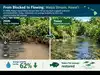
In 2006, Hawai‘i listed Waipā Stream, after dense hau bush trapped sediment and blocked fish. Today, restoration cut average turbidity by 62% and restored native fish passage
Waipā Stream restoration efforts significantly improved water quality and aquatic habitats. Invasive hau bush removal and feral pig control reduced sediment pollution. Constructed wetlands and riparian revegetation further enhanced stream conditions and native fish populations. Measurable improvements led to the delisting of turbidity and nutrients from impaired waters. Continued community commitment ensures ongoing watershed protection and management for the future.

In 2006, NASA launched 75 fruit flies on STS-121 for 13 days; Discovery returned with about 3,000, including a new generation that developed in space
NASA's experiments with fruit flies in zero gravity unveiled significant weaknesses in their immune systems. Observations indicated these flies produced fewer specialized immune cells and exhibited a diminished ability to combat bacteria. Further investigations demonstrated that their responses to fungal infections were also altered in space. These discoveries illuminate potential immune function disruptions among model organisms during spaceflight, raising important concerns for upcoming long-duration human space missions.

In 2023, Connecticut removed Strong Pond Dam after 20 years of planning. 3 years later, 10 upstream miles are open to fish, reconnecting 20 miles of habitat for wildlife
The removal of Strong Pond Dam in Wilton, Connecticut, marks a significant achievement in river restoration. This initiative has revitalized natural stream flows and established vital riparian buffer areas. Additionally, it has mitigated risks linked to the dam structure, enabling fish and aquatic life to access upstream habitats. Anticipated benefits include enhanced water quality and improved resilience against climate change.
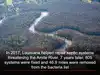
In 2017, Louisiana helped repair septic systems threatening the Amite River. 7 years later, 805 systems were fixed and 46.9 miles were removed from the bacteria list
Significant strides in water quality have stemmed from proactive home septic system inspections and educational initiatives. The Amite River now aligns with primary contact recreation standards, a remarkable turnaround following years of pollution. Capital RC&D has carried out extensive inspections and repairs, resulting in reduced bacteria levels and the delisting of a river segment. Regular inspections are set to uphold these improvements in the watershed for the future.

A decade ago, Maryland Agriculture restored 2 farms to improve Little Antietam Creek habitat. Today, 10 years of monitoring show mayflies, caddisflies and trout thriving
Little Antietam Creek restoration: A stream restoration project on Little Antietam Creek shows positive changes. The project addressed nutrient and sediment issues, improving aquatic habitat significantly. Ten years of monitoring revealed increased sensitive aquatic species and trout presence. Volunteers helped establish a forested buffer, enhancing the stream's ecosystem.

In 2012, Arizona listed Miller Creek as impaired by E. coli from human waste. 8 years later, Prescott groups built a public restroom, cutting E. coli levels by 13%
Miller Creek in Prescott, Arizona, was placed on the Clean Water Act Section 303(d) list in 2012 because of E. coli contamination associated with human waste. Investigations found evidence of human-originating bacteria in samples collected from the creek, while the lack of public restrooms was identified as a potential contributor to pollution.
- Go To Page 1

In 1995, North Dakota's Richland County SCD began monitoring Antelope Creek for bacteria. 10 years later, a watershed project tackled septic, livestock and farm sources to cut bacteria
Antelope Creek and Wild Rice River saw reduced bacteria levels after conservation efforts. Best management practices addressed animal feeding operations and failing septic systems. These efforts included septic repairs, well decommissioning, and livestock facilities. Water quality data showed declining bacteria trends over two decades. This indicates progress toward restoring recreational uses in the waterways.

In 2008, Virginia listed Grease Creek as impaired for swimming. 16 years later, DEQ cleared it from the impaired list after watershed BMPs restored water quality in 2024
Grease Creek in Virginia has finally escaped a problem that followed it for 16 years. The creek was listed as impaired for swimming in 2008 after tests found elevated E. coli levels. Now, Virginia’s latest water-quality assessment shows a different picture. Watershed best management practices helped reduce pollution, allowing the 10.74-mile creek to meet recreational water standards and leave the impaired-waters list.

In 2006, Arkansas DEQ listed Clear Creek for E. coli. 12 years later, the creek attained the recreation standard in 2018, restoring contact recreation after BMP projects
Clear Creek in Arkansas has seen remarkable recovery since battling E. coli contamination back in 2006. Persistent water quality checks and the implementation of urban best management practices have led to this improvement. Enhanced green stormwater infrastructure like rain gardens has played a vital role in minimizing stormwater volume and pollutants.

In 2006, Virginia flagged the Rapidan River for failing swimming standards. 18 years later, DEQ removed it from the impaired list after BMPs restored water quality
Rapidan River water quality in Virginia has finally turned a corner after nearly two decades of concern. A section once flagged for failing swimming standards is now off the state’s impaired-waters list. Virginia DEQ made the change after monitoring showed bacteria levels had improved. Years of best management practices helped reduce pollution entering the river. The result offers a rare example of long-term water restoration working.

In 2006, Delaware listed the Broadkill watershed for nitrogen and phosphorus impairment. 18 years later, BMPs restored 7.6 miles of Ingrams Branch, ending the phosphorus
The restoration of Ingrams Branch is a powerful example of how best management practices can produce measurable improvements in water quality when they are applied consistently over time. What began with nutrient impairment concerns evolved into a coordinated watershed effort involving farmers, conservation districts, state officials, federal agencies and local partners.

In 2002, Idaho listed the South Fork Palouse River as bacteria-impaired after livestock grazing. 14 years later, restoration helped remove it from the 2016 impaired list
The South Fork Palouse River restoration began with a problem Idaho could not ignore. In 2002, the river was listed as bacteria-impaired, with livestock grazing among the identified sources. Fourteen years later, its water showed a different picture. Restoration work helped reduce E. coli levels enough for Idaho to remove that impairment in 2016. The story shows how practical conservation can slowly change a troubled river.

Yoga may boost cognition, reduce depression, aid gut health in early Alzheimer's: AIIMS study
A 12-week yoga program has shown promising results for individuals with mild Alzheimer's disease. Researchers at AIIMS, Delhi, observed significant improvements in cognitive function and mood, alongside a healthier gut microbiome. The study suggests yoga may help restore beneficial gut bacteria, potentially influencing the gut-brain axis and offering a valuable complementary therapy for early-stage Alzheimer's and mild cognitive impairment.

Artificial sweeteners may alter gut health and metabolism across generations, new study suggests
New research suggests artificial sweeteners like sucralose and stevia could alter gut bacteria and metabolism. These changes may persist across generations, even in offspring not directly exposed. The study in mice raises questions about the long-term biological neutrality of these popular sugar substitutes. Scientists urge further human studies to understand these potential effects.

Creutzfeldt-Jakob disease - is the hole-in-brain illness contagious; check symptoms, risks & facts
Creutzfeldt-Jakob disease is one of the most mysterious neurological disorders known to medicine. As recent discussions have spotlighted its damage to the brain, perhaps the most central question that has arisen is whether it is able to spread from person to person. This article unpacks what the leading health authorities confirm about its transmission, why it is not contagious in daily life, and the specific situations where risk exists.

Bloating isn’t just overeating - Here’s what it could mean
Bloating is a digestive symptom that can signal more than just overeating. Persistent swelling in the abdomen may be connected to conditions like IBS, SIBO, celiac disease, or hormonal changes, and appears along with nausea, epigastric pain, or abdominal discomfort. According to the Rome Foundation Global Epidemiology Study, approximately 18% of people worldwide experience bloating, with women at greater risk.

Forget Ozempic, scientists find a microbe that can work like a natural alternative to popular diabetes and weight loss drug
Researchers in China have found a gut microbe, Bacteroides vulgatus, that may regulate blood sugar. The microbe and its metabolites can stimulate GLP-1 secretion. GLP-1 is a hormone that controls blood sugar and fullness. The study showed that increasing this microbe in mice can help. This discovery may offer a natural alternative to drugs like Ozempic.

Foreign Office issues warning over spread of bacterial infection in the UK
The UK and other countries are dealing with the outbreak of meningococcal disease after it was detected in some individuals returning from Saudi Arabia. This can be fatal in some cases. It is important to take some precautions.

Tomatoes are turning purple? Here's what report claims
Tomatoes have been turned into purple by researchers and they have claimed that the nutritional value has gone up, Fox Weather reported quoting scientists.

Fond of fatty food items? They may lower immunity
Diets high on fat have been found to affect genes linked to the immune system, brain function, and potentially COVID-19 risk in a new study.

New study identifies critical period to monitor public health after flooding event
A new study published in the British Medical Journal (BMJ) found that the risk of dying increases in the three to six weeks following a flood. The overall risk of death increased by 2.1 per cent, while individuals with heart and lung illnesses faced a higher risk of 2.6 per cent and 4.9 per cent, respectively.

Bathing C-section babies in vaginal liquid may boost their immunity: Study
Past research has shown infants born by C-section have vastly different gut bacteria composition compared to those born vaginally.

Strep A: Pharmacists forced ‘to pay £11 for antibiotics’ amid soaring demand due to spike in infections
A senior pharmacist has stated that due to rising demand—partly because of Strep A infections—some pharmacies are now paying £11 for a course of antibiotics.
Why you should listen to your gut for a healthy life?
This unseen world of microbes residing in our body far exceeds the number of cells in our body and is influenced by diet, physical activity, antibiotic consumption, physical and psychological stress, etc.

Coronavirus, bacteria together can lead to severity in some Covid patients
The body's own microbiota may also be influential in the progression of lung diseases.

Brush your teeth not twice, but thrice a day: Experts say it may help cut heart failure risk by 12%
Poor oral hygiene leads to bacteria in the blood, causing inflammation in the body

Huddle Expo 2019 displays nature-friendly, socially impactful products
The event, attended by more than 20 startups, witnessed a display of various products that reflected sustainable goals
Load More