
AI CHIP NATIONAL SECURITY

Why is Nvidia stock (NVDA) down 8.39% today, one day after Jensen Huang’s return as CEO lifted its market value by $952 billion? What changed overnight?
Why is Nvidia stock down today? Nvidia shares fell significantly after a historic rally that added nearly $952 billion to its market value. The stock's decrease followed the reinstatement of Jensen Huang as CEO. Ongoing federal investigations into Nvidia and its dealings could further impact investor sentiment. A scheduled hearing on December 3 will address Huang's return and related issues. Meanwhile, doubts about future AI spending continue to affect Nvidia's stock performance.
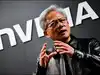
Jensen Huang: The leather-jacket man is home but not out of the woods
Jensen Huang's return as Nvidia's CEO has sparked discussions on corporate governance after notable political involvement. As Congress prepares to investigate Nvidia’s dealings in China amid worries about national security, there’s bipartisan concern regarding Huang’s impact on U.S.-China tech relations. His ability to navigate regulatory challenges and address compliance in the face of these inquiries will be crucial.

Nvidia suppliers, startups in Asia cheer Huang's return as uncertainty eases
Jensen Huang's return to the helm at Nvidia has instilled renewed confidence among Asian customers and partners alike. His experienced leadership is anticipated to boost product innovation and sustain investment in the burgeoning AI field. Following the announcement, stock exchanges in Taiwan and South Korea saw notable increases. Nevertheless, challenges related to national security and U.S.
Questions linger after Jensen Huang's return to Nvidia
Jensen Huang's surprise return to Nvidia on Monday appeared to stabilize the US chip giant, along with the broader stock market and AI ecosystem, but questions linger about the longterm impact of his scandal. - Will Huang's return stabilize the market?

US blacklists Megaspeed chip firm linked to Nvidia scandal
The addition of the company follows revelations that Nvidia CEO Jensen Huang had a relationship with Alice Huang, a Chinese businesswoman and Megaspeed's controlling shareholder who is reportedly alleged to be a spy for Beijing.
What are the various US federal and state probes faced by Nvidia and Jensen Huang?
Nvidia's CEO Jensen Huang is currently under investigation by various federal and state agencies. These inquiries include probes into potential national security concerns linked to his ties with a Chinese businesswoman. The Department of Justice is examining Nvidia's acquisitions and business practices for antitrust issues. Additionally, the Securities and Exchange Commission is investigating the company's accounting practices related to complex financial arrangements.

Nvidia's Huang comeback exposes the weakness of Big Tech governance
Jensen Huang has returned as Nvidia's CEO following a brief resignation sparked by a personal scandal and market concerns. Nvidia's stock surged significantly after the news, reflecting market confidence in Huang's leadership. The situation raises ongoing issues regarding founder control and board governance within tech companies. This episode indicates that dependence on a single individual can create vulnerabilities in corporate structures.
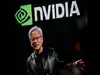
Nvidia stock jumps over 30% as Jensen Huang returns as CEO - here's Trump's reaction, the board's decision and what NVDA investors should know
Nvidia stock surged more than 30% after its board reinstated Jensen Huang as CEO, reversing his departure earlier this month. The decision followed President Donald Trump's public appeal and lifted semiconductor and AI-related stocks. Nvidia said Huang's return poses no national security risk, while an independent investigation will continue.
Winners and losers from Jensen Huang’s return to Nvidia after a $1.4 trillion market-value loss: Who still has reason to worry?
Jensen Huang’s return as Nvidia’s CEO on November 23 ended an 11-day leadership crisis and sent Nvidia shares up more than 30%. AI infrastructure stocks, including CoreWeave and Nebius, rallied. AMD and Broadcom gained less, losing a key chance to benefit from Nvidia’s turmoil. Governance probes, export-control oversight and a Senate hearing still leave questions unresolved for investors and regulators.
How Nvidia's billion-dollar turnaround in China is threatened by Huang's exit
Nvidia products used to run AI models powering everything from business software to humanoid robots have found growing demand in China from universities, companies and research institutes, even as the US chipmaker's most advanced AI processors remain largely off limits, according to people in the industry and a Reuters review of more than 100 Chinese corporate disclosures and procurement records.

US treasury secretary says no further restrictions needed for Nvidia chip exports to China
Treasury Secretary Scott Bessent confirmed that no additional restrictions on Nvidia chip sales to China are required. This follows a recent move to block remote Chinese access to advanced semiconductors. The Commerce Department approved the sale of nearly 900,000 chips to Chinese firms, some linked to the military. Despite previous approvals, Nvidia has stopped shipping H200 chips to China amid ongoing investigations.
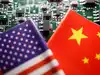
Trump admin cleared 9 lakh Nvidia, AMD chips for China in six months, House committee says
The US Commerce Department has authorized the shipment of nearly 900,000 advanced AI chips to Chinese firms. This approval is part of a larger request involving 3.4 million AI chips to China. Several Chinese Military Companies, including Alibaba and Tencent, are among those receiving these shipments. Investigations reveal potential chip-smuggling fronts for NVIDIA's sales to these companies.

Pax Silica moment: What India must build for its ambitions
November has become a critical month for the AI industry, marked by regulatory changes from the U.S. Commerce Department. These new restrictions affect China's access to advanced computing power and create opportunities for international cooperation. India has signed the San Francisco Declaration to engage in AI policy and supply chain efforts, despite existing tensions.

Nvidia pulls the plug on China AI chip sales amidst US exports scrutiny
Nvidia has stopped shipping its Hopper data center chips to China, which were previously approved for sale. This decision follows the ousting of CEO Jensen Huang due to multiple extramarital affairs. Moreover, the US government is increasing scrutiny on chip exports, particularly concerning national security risks. The company is now forming a committee focused on national security and export controls.

Nvidia forms new committee to oversee AI chip exports for national security after Huang's exit
This comes amid growing scrutiny of Nvidia over potential export of restricted advanced artificial intelligence (AI) chips to China and other countries. Jensen Huang recently stepped down as the company’s CEO after 33 years following controversy involving his personal relationships, including an extramarital affair with businesswoman Alice Huang, who is suspected of being a Chinese spy.
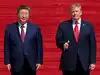
US tightens AI chip curbs on China, targets overseas data centres ahead of Trump-Xi talks
The Trump administration has tightened export controls to restrict China's access to advanced AI chips, targeting overseas data centres in countries including Singapore, Thailand and Malaysia. The move comes amid scrutiny over alleged chip diversion through third-party facilities and ahead of Donald Trump's meeting with Chinese President Xi Jinping.

Building dragon-proof wall US, allies team up to protect AI
A coalition of ten countries, including the US and nine allies, aims to secure critical technologies associated with artificial intelligence. The San Francisco Declaration emphasizes the importance of economic security for national security across the signatory nations. Plans for working groups on various aspects of AI include policy, supply chains, and resilience. In the context of competition with China, the US is promoting a strategy called Pax Silica.

US moves to regulate remote access to advanced AI chips and servers
The US Commerce Department's Bureau of Industry and Security has issued a new interim rule regarding advanced computing technology. This rule aims to prevent access to sensitive American technology through data centres in third countries. As advanced computing and cloud services evolve, ensuring compliance with existing restrictions is crucial. The rule aligns remote access safeguards with physical shipment controls on sensitive technology.

Senator accuses US Commerce Department of failing to stem flow of AI chips to China
Senator Maria Cantwell has expressed concern over the Commerce Department's actions regarding advanced AI chip exports to China. She stated that the department's delay jeopardizes national security and undermines America's technological edge. Cantwell highlighted the potential espionage links related to Megaspeed, specifically citing a former executive's alleged ties. Additionally, there are calls for Congress to oversee export-control decisions more closely.
Load More


