 Agencies
The development could eventually offer Indian professionals another Southeast Asian destination for working remotely from abroad.
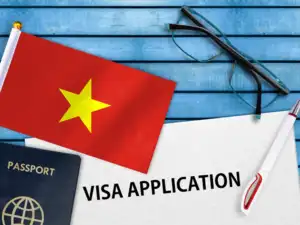
Vietnam is considering a dedicated visa for digital nomads and foreign remote workers as part of a new tourism development strategy, potentially opening another Southeast Asian destination for Indians looking to work remotely from overseas.
Recently, Vietnam's National Assembly passed Resolution No. 59/2026/QH16 on special policies for tourism development, with 468 of 480 participating deputies voting in favour.
Article 11 of the resolution directs the government to study a controlled pilot of visa and residence policies for foreigners working remotely in Vietnam. The initiative is intended to attract higher-spending international visitors and encourage longer stays.
The resolution will come into effect on January 1, 2027, and remain valid until December 31, 2036. However, this does not mean Vietnam's digital nomad visa will become available from January. The government has yet to announce an implementation timeline.
(Join our ETNRI WhatsApp channel for all the latest updates)
What will Vietnam's proposed digital nomad visa offer?
The government will examine changes to visa eligibility, permitted lengths of stay, entry conditions, fees and application procedures. It will also study separate visa and residence arrangements for foreigners visiting Vietnam for medical treatment, rehabilitation and long-term wellness stays, including accompanying individuals.
Several details of the proposed remote worker visa remain undecided, including minimum income requirements, eligible nationalities, health insurance, visa duration, renewals and whether spouses and children can accompany applicants.
During National Assembly discussions on November 7, deputy Lê Hoàng Anh proposed a multiple-entry visa valid for up to one year for remote workers and long-stay medical and wellness visitors, subject to income and insurance requirements. However, these suggestions were not adopted as binding conditions in the resolution.
The resolution allows pilot policies to operate for up to five years. This refers to the duration of the policy pilot, not the permitted stay for individual visa holders.
How Vietnam compares with other Southeast Asian countries
Vietnam is entering a regional market where several countries already offer dedicated immigration routes for remote workers.
Thailand's Destination Thailand Visa allows stays of up to 180 days per entry, with an extension option. Malaysia's DE Rantau Nomad Pass offers an initial stay of three to 12 months, with renewal options. Indonesia's E33G Remote Worker Visa allows eligible applicants to stay for up to one year.
Malaysia will also allow eligible DE Rantau pass holders to extend their total stay to up to four years from December 1, 2026, including initial validity and approved renewals.
What can Indian remote workers do meanwhile?
Until Vietnam introduces its proposed arrangements, existing immigration rules will continue to apply.
Foreign nationals, including Indians, can apply for Vietnam's electronic visa, which permits stays of up to 90 days with single or multiple entry options. Eligible nationalities can also use visa exemptions for stays of up to 45 days.
However, neither the e-visa nor visa-free entry provides dedicated authorisation for remote employment.
Indians considering longer stays must also account for taxation. Under Vietnam's Personal Income Tax Law No. 109/2025/QH15 and Decree No. 253/2026/ND-CP, foreigners staying for at least 183 days within a calendar year or 12 consecutive months from their first arrival can qualify as Vietnamese tax residents. Other residency criteria may also apply.
Vietnamese tax residents are generally liable for personal income tax on worldwide taxable income, including overseas employment income.
Recently, Vietnam's National Assembly passed Resolution No. 59/2026/QH16 on special policies for tourism development, with 468 of 480 participating deputies voting in favour.
Article 11 of the resolution directs the government to study a controlled pilot of visa and residence policies for foreigners working remotely in Vietnam. The initiative is intended to attract higher-spending international visitors and encourage longer stays.
The resolution will come into effect on January 1, 2027, and remain valid until December 31, 2036. However, this does not mean Vietnam's digital nomad visa will become available from January. The government has yet to announce an implementation timeline.
(Join our ETNRI WhatsApp channel for all the latest updates)
What will Vietnam's proposed digital nomad visa offer?

The government will examine changes to visa eligibility, permitted lengths of stay, entry conditions, fees and application procedures. It will also study separate visa and residence arrangements for foreigners visiting Vietnam for medical treatment, rehabilitation and long-term wellness stays, including accompanying individuals.
Several details of the proposed remote worker visa remain undecided, including minimum income requirements, eligible nationalities, health insurance, visa duration, renewals and whether spouses and children can accompany applicants.
During National Assembly discussions on November 7, deputy Lê Hoàng Anh proposed a multiple-entry visa valid for up to one year for remote workers and long-stay medical and wellness visitors, subject to income and insurance requirements. However, these suggestions were not adopted as binding conditions in the resolution.
The resolution allows pilot policies to operate for up to five years. This refers to the duration of the policy pilot, not the permitted stay for individual visa holders.
How Vietnam compares with other Southeast Asian countries
Vietnam is entering a regional market where several countries already offer dedicated immigration routes for remote workers.
Thailand's Destination Thailand Visa allows stays of up to 180 days per entry, with an extension option. Malaysia's DE Rantau Nomad Pass offers an initial stay of three to 12 months, with renewal options. Indonesia's E33G Remote Worker Visa allows eligible applicants to stay for up to one year.
Malaysia will also allow eligible DE Rantau pass holders to extend their total stay to up to four years from December 1, 2026, including initial validity and approved renewals.
What can Indian remote workers do meanwhile?
Until Vietnam introduces its proposed arrangements, existing immigration rules will continue to apply.
Foreign nationals, including Indians, can apply for Vietnam's electronic visa, which permits stays of up to 90 days with single or multiple entry options. Eligible nationalities can also use visa exemptions for stays of up to 45 days.
However, neither the e-visa nor visa-free entry provides dedicated authorisation for remote employment.
Indians considering longer stays must also account for taxation. Under Vietnam's Personal Income Tax Law No. 109/2025/QH15 and Decree No. 253/2026/ND-CP, foreigners staying for at least 183 days within a calendar year or 12 consecutive months from their first arrival can qualify as Vietnamese tax residents. Other residency criteria may also apply.
Vietnamese tax residents are generally liable for personal income tax on worldwide taxable income, including overseas employment income.
Add  as a Reliable and Trusted News Source
 Add Now!
(Catch all the Business News, Breaking News, and Latest News Updates on The Economic Times.)
Subscribe to The Economic Times Prime and read the ET ePaper online.
Read More News on
(Catch all the Business News, Breaking News, and Latest News Updates on The Economic Times.)
Subscribe to The Economic Times Prime and read the ET ePaper online.












 ETPrime Membership